 Catalaíoch Sraith Minslite do Bhaint Ózóin/CO/VOCanna
Tá dé-ocsaíd mhangainéise tagtha chun bheith ina ábhar tábhachtach i gcatalú comhshaoil tionsclaíoch go príomha mar gheall ar a chumas laghdaithe ocsaídiúcháin den scoth., cumas láidir imirce ocsaigine, agus struchtúr ceimiceach cobhsaí. I bpróisis rialaithe truaillithe tionsclaíocha, is féidir le dé-ocsaíd mhangainéise imoibrithe ocsaídiúcháin a luathú, feabhas a chur ar éifeachtúlacht chomhshó truailleán, agus an teocht imoibrithe riachtanach a laghdú. Dá bhrí sin, úsáidtear go forleathan é i ndianscaoileadh ózóin, bhaint aonocsaíd charbóin, Ocsaídiú VOC, agus iarratais áirithe ar chóireáil ocsaídiúcháin fuíolluisce. Le ceanglais mhéadaitheacha maidir le teicneolaíochtaí comhshaoil atá éifeachtach agus ísealfhuinnimh, tá dé-ocsaíd mhangainéise anois ar cheann de na hábhair chatalaíoch miotail neamhlómhara is tábhachtaí.
I gcomparáid le modhanna cóireála traidisiúnta a éilíonn go minic teocht ard agus tomhaltas fuinnimh suntasach, is féidir le teicneolaíochtaí ocsaídiúcháin catalaíoch atá bunaithe ar dhé-ocsaíd mhangainéise comhshó truailleán a chur chun cinn faoi choinníollacha níos séimhe. Déanann sé seo dé-ocsaíd mhangainéise mar ábhar tábhachtach do chórais cosanta comhshaoil tionsclaíochta inbhuanaithe.
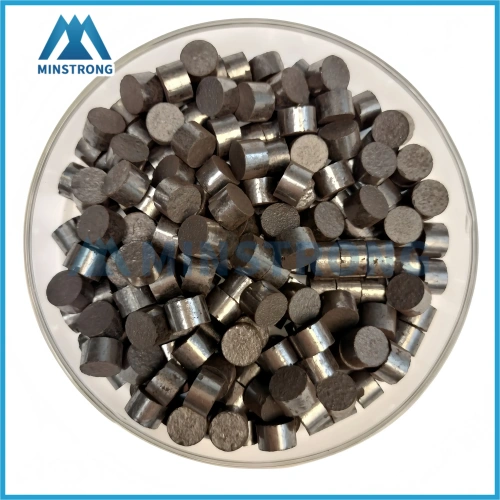
CATALASTACH DÉ-OCSAÍD MHAINGNÉIS GHNÍOMHACH
1. Cinneann Saintréithe Bunúsacha Dé-ocsaíd Mhangainéis a Luach Feidhme Catalaíoch
Dé-ocsaíd mhangainéise (MnO₂) is ocsaíd mhiotail thrasdultach tipiciúil é le struchtúir leictreonacha uathúla agus airíonna laghdaithe ocsaídiúcháin. Soláthraíonn na tréithe seo an bonn le haghaidh a chur i bhfeidhm i bpróisis catalaíoch comhshaoil. Caithfidh catalaíoch tionsclaíoch éifeachtach roinnt feidhmeanna a bhaint amach, lena n-áirítear asaithe truailleán, gníomhachtú ocsaigine, agus luasghéarú imoibrithe ocsaídiúcháin. Léiríonn dé-ocsaíd mhangainéise buntáistí sna gnéithe seo go léir.
1.1 Cuireann Cumas Tiontaithe Il-Valence Frithghníomhartha Redox chun cinn
Ceann de na hairíonna is tábhachtaí atá ag dé-ocsaíd mhangainéise ná cumas na n-ian mangainéise aistriú idir stáit ocsaídiúcháin éagsúla, mar Mn⁴⁺ agus Mn³⁺. Cumasaíonn an próiseas inchúlaithe redox seo aistriú leictreon leanúnach le linn imoibrithe catalaíoch, ligean dé-ocsaíd mangainéise a bheith rannpháirteach go héifeachtach in ocsaídiú truailleán.
I gcóireáil gáis dramhaíola tionsclaíoch, ní mór go leor truailleán a ocsaídiú go substaintí neamhdhíobhálach. Mar shampla, ní mór aonocsaíd charbóin a thiontú ina dhé-ocsaíd charbóin, ní mór comhdhúile so-ghalaithe orgánacha a ocsaídiú isteach i dé-ocsaíd charbóin agus uisce, agus ní mór ózón a dhianscaoileadh ina ocsaigin. Soláthraíonn dé-ocsaíd mhangainéise suíomhanna imoibrithe gníomhacha agus cuireann sé na próisis chomhshó seo chun cinn.
1.2 Láithreáin Ghníomhacha Dromchla Feabhsaítear Éifeachtúlacht Chatalaíoch
Braitheann feidhmíocht catalaíoch ábhair ní hamháin ar a chomhdhéanamh ceimiceach ach freisin ar a struchtúr dromchla. De ghnáth bíonn go leor suíomhanna gníomhacha dromchla ag dé-ocsaíd mhangainéise ar féidir leo móilíní ocsaigine a ionsú, ózóin, agus móilíní truailleán, teagmháil mhéadaithe idir imoibreoirí agus dromchlaí catalaíoch.
Trí struchtúr na gcáithníní a bharrfheabhsú, dáileadh pore, agus achar dromchla ar leith, is féidir le catalaíoch dé-ocsaíd mhangainéise éifeachtúlacht aistrithe mais feabhsaithe agus gníomhaíocht chatalaíoch níos airde a bhaint amach faoi choinníollacha oibriúcháin éagsúla tionscail.
1.3 Is í Soghluaisteacht Ocsaigin an Phríomhfhondúireacht do Chatalú Comhshaoil
Tá go leor próisis rialaithe truaillithe tionsclaíocha bunaithe ar imoibrithe ocsaídiúcháin, agus cuireann gníomhachtú ocsaigine agus imirce isteach go díreach ar éifeachtúlacht chatalaíoch.
Is féidir le dé-ocsaíd mhangainéise gníomhachtú ocsaigine a chur chun cinn agus speicis ocsaigine an-imoibríoch a ghiniúint. Tá na speicis ocsaigine gníomhacha seo rannpháirteach in imoibrithe ocsaídiúcháin truailleán, dlús a chur le dianscaoileadh agus a chumasú cóireáil éifeachtach ag teochtaí réasúnta íseal.
2. Croí-Mheicníocht Chatalaíoch Chatalaíoch Dé-ocsaíd Mhangainéis
Is é príomhfheidhm catalaíoch dé-ocsaíd mangainéise ná fuinneamh gníomhachtaithe imoibrithe ocsaídiúcháin a laghdú agus éifeachtúlacht chomhshó truailleán a fheabhsú. Cuimsíonn an próiseas catalaíoch asaithe truailleán go ginearálta, gníomhachtú ocsaigine, imoibriú ocsaídiúcháin, agus athnuachan láithreán gníomhach.
2.1 Asaithe Truailleáin ar Dhromchla Chatalaíoch
Sula dtarlaíonn ocsaídiú catalaíoch, ní mór do mhóilíní truailleán teagmháil a dhéanamh le dromchla an chatalaíoch ar dtús. Tá cumas asaithe ag dé-ocsaíd mhangainéise a ligeann do thruailleáin carnadh timpeall réigiúin ghníomhacha, dóchúlacht imoibrithe ceimiceacha a mhéadú.
Giorraíonn an próiseas asaithe an fad idir truailleáin agus speiceas gníomhach ocsaigine, ag cruthú coinníollacha fabhracha le haghaidh imoibrithe ocsaídiúcháin ina dhiaidh sin.
2.2 Cuireann Rothaíocht Redox dianscaoileadh Truailleán chun cinn
Braitheann gníomhaíocht chatalaíoch dé-ocsaíd mhangainéise go príomha ar a mheicníocht rothaíochta redox. Le linn an phróisis imoibrithe, glacann dé-ocsaíd mhangainéise páirt in imoibrithe ocsaídiúcháin trí athruithe i stáit ocsaídiúcháin mangainéise.
Mar shampla, is féidir le ocsaigin dromchla ó dhé-ocsaíd mangainéise páirt a ghlacadh in ocsaídiú truailleán, agus athlíonann ocsaigin ón aer mórthimpeall na speicis ocsaigine tomhailte. Ligeann an malartú leanúnach ocsaigine seo do chatalaíoch dé-ocsaíd mhangainéise gníomhaíocht chatalaíoch fadtéarmach a chothabháil.
2.3 Teocht Imoibrithe a Ísliú agus Éifeachtúlacht Fuinnimh a Fheabhsú
Príomhról atá ag catalaíoch ná an fuinneamh a theastaíonn le haghaidh imoibrithe ceimiceacha a laghdú. Soláthraíonn dé-ocsaíd mhangainéise cosáin imoibrithe gníomhacha a ligeann do phróisis ocsaídiúcháin tarlú ag teochtaí níos ísle.
Le haghaidh córais tionsclaíocha comhshaoil, ciallaíonn teochtaí oibriúcháin níos ísle tomhaltas fuinnimh laghdaithe, éifeachtacht feabhsaithe trealaimh, agus feidhmíocht eacnamaíoch níos fearr.
3. Príomhbhuntáistí Dé-ocsaíd Mangainéise mar Chatalaíoch Comhshaoil Tionscail
Tá dé-ocsaíd mhangainéise tagtha chun bheith ina ábhar catalaíoch tábhachtach i gcosaint an chomhshaoil tionscail mar gheall ar a fheidhmíocht chatalaíoch chothromaithe, cobhsaíocht struchtúrach, agus solúbthacht iarratais. Déanann a buntáistí go bhfuil sé oiriúnach do phróisis rialaithe truaillithe éagsúla, go háirithe nuair is gá ocsaídiú éifeachtach agus oibriú fadtéarmach.
3.1 Feidhmíocht Chatalaíoch Íseal-Teocht den Scoth
Tá gníomhaíocht íseal-teocht ar cheann de na táscairí is tábhachtaí chun catalaíoch comhshaoil tionsclaíoch a mheas. I gcomparáid le modhanna ocsaídiúcháin traidisiúnta a éilíonn teocht ard, is féidir le dé-ocsaíd mhangainéise imoibrithe ocsaídiúcháin a chur chun cinn faoi choinníollacha oibriúcháin measartha éadrom.
Tá an tréith seo luachmhar go háirithe do chórais thionsclaíocha a dteastaíonn oibriú leanúnach uathu. Is féidir le teochtaí imoibrithe níos ísle tomhaltas fuinnimh a laghdú, laghdú strus teirmeach trealamh, agus feabhas a chur ar éifeachtúlacht fhoriomlán na gcóras cóireála comhshaoil.
3.2 Cumas Ocsaídiú Láidir agus Baint Éifeachtach Truailleán
Tá cumas ocsaídiúcháin láidir ag dé-ocsaíd mhangainéise mar gheall ar a chumas ocsaigine a ghníomhachtú agus páirt a ghlacadh in imoibrithe redox. Féadann sé tiontú truailleán éagsúla go substaintí neamhdhíobhálach a chur chun cinn trí ocsaídiú catalaíoch.
Ag brath ar struchtúr catalaíoch agus coinníollacha oibriúcháin, is féidir dé-ocsaíd mhangainéise a chur i bhfeidhm ar phróisis éagsúla cóireála truailleán, lena n-áirítear dianscaoileadh ózóin, ocsaídiú aonocsaíd charbóin, agus baint luaineach cumaisc orgánach.
3.3 Cobhsaíocht Mhaith le haghaidh Oibriú Tionscail Fadtéarmach
De ghnáth éilíonn córais cosanta comhshaoil tionsclaíocha oibriú leanúnach ar feadh tréimhsí fada, rud a fhágann gur fachtóir ríthábhachtach í cobhsaíocht chatalaíoch.
Léiríonn dé-ocsaíd mhangainéise cobhsaíocht cheimiceach maith agus cobhsaíocht theirmeach faoi choinníollacha oibriúcháin oiriúnacha. Féadann sé feidhmíocht chatalaíoch a chothabháil le linn úsáide fadtéarmach, cabhrú le minicíocht cothabhála a laghdú agus iontaofacht an chórais a fheabhsú.
3.4 Ábhar Miotail Neamhlómhara le Buntáistí Iarratais Tionscail
I gcomparáid le roinnt catalaíoch miotail lómhara, Is ábhar ocsaíd miotail neamhluachmhar é dé-ocsaíd mhangainéise a bhfuil buntáistí aige maidir le hinfhaighteacht acmhainní agus costas iarratais tionsclaíoch.
Trí leas iomlán a bhaint struchtúrach, modhnú dromchla, agus feabhas ar fhoirmliú catalaíoch, is féidir le catalaíoch dé-ocsaíd mangainéise gníomhaíocht fheabhsaithe agus inoiriúnaitheacht níos fearr a bhaint amach do choinníollacha tionsclaíocha éagsúla.
4. Feidhmchláir tipiciúla Dé-ocsaíd Mangainéise i gCosaint Chomhshaoil Thionsclaíoch: Ó Ghás Dramhaíola go Cóireáil Fuíolluisce
Mar gheall ar a chumas ocsaídiúcháin agus cobhsaíocht struchtúrach, cuireadh dé-ocsaíd mhangainéise i bhfeidhm go forleathan i réimsí éagsúla cosanta comhshaoil. Clúdaíonn a fheidhmchláir rialú truailleán gás-chéim agus cóireáil truaillithe ag céim leachtach, réitigh chatalaíoch a sholáthar do phróisis thionsclaíocha éagsúla.
4.1 Dianscaoileadh Ózóin: Íonú Lasmuigh den Ghás ózóin Tionsclaíoch
Úsáidtear ózóin go forleathan i gcóireáil uisce, steiriliú, agus próisis ocsaídiúcháin tionsclaíocha mar gheall ar a chumas ocsaídiúcháin láidir. Mar sin féin, ní féidir an t-ózón iarmharach a ghintear le linn na bpróiseas seo a urscaoileadh go díreach toisc go bhféadfadh sé a bheith ina chúis le truailliú comhshaoil agus imní sábháilteachta.
Is féidir le catalaíoch dé-ocsaíd mhangainéise dlús a chur le dianscaoileadh ózóin trí mhiondealú móilíní ózóin a chur chun cinn agus ózón a thiontú go ocsaigin. Le linn an phróisis seo, tá móilíní ózóin asaithe ar dhromchla an chatalaíoch, áit a gcuireann suíomhanna gníomhacha scoilteacht banna ocsaigine-ocsaigin chun cinn agus feabhas a chur ar éifeachtúlacht dianscaoilte.
Le haghaidh córais cóireála ózóin, gníomhaíocht chatalaíoch, friotaíocht taise, agus is fachtóirí tábhachtacha iad cobhsaíocht fhadtéarmach a dhéanann difear d'fheidhmíocht íonúcháin. Tá sé ríthábhachtach ábhair chatalaíoch dé-ocsaíde mangainéise oiriúnacha a roghnú de réir coinníollacha oibriúcháin chun baint cobhsaí ózóin a bhaint amach.
4.2 Aonocsaíd Charbóin a bhaint: Ocsaídiú Catalaíoch CO
Aonocsaíd charbóin (CO) is gás tocsaineach is féidir a bheith ann i sruthanna sceite tionsclaíocha, córais gáis ard-íonachta, agus próisis íonú aeir. Tá gá le baint CO éifeachtach chun sábháilteacht oibriúcháin a chinntiú agus chun cáilíocht an gháis a fheabhsú.
Cuireann dé-ocsaíd mhangainéise ocsaídiú CO chun cinn trí speiceas gníomhach ocsaigine a sholáthar. Trí ocsaídiú catalaíoch, is féidir aonocsaíd charbóin a thiontú ina dhé-ocsaíd charbóin faoi choinníollacha measartha éadrom.
I gcomparáid le modhanna ocsaídiúcháin díreach, is féidir le ocsaídiú catalaíoch trí úsáid a bhaint as dé-ocsaíd mhangainéise riachtanais imoibrithe a laghdú agus éifeachtacht bhaint CO a fheabhsú, rud a fhágann go bhfuil sé oiriúnach d'iarratais íonú gáis tionsclaíocha éagsúla.
4.3 Cóireáil Gáis Dramhaíola VOC: Ocsaídiú Catalaíoch Truailleáin Orgánacha
Comhdhúile orgánacha so-ghalaithe (VOCanna) a ghintear go coitianta i bpróisis thionsclaíocha ar nós táirgeadh ceimiceach, priontáil, sciath, agus oibríochtaí déantúsaíochta. Teastaíonn cóireáil éifeachtach ó go leor comhdhúile VOC roimh astaíochtaí.
Úsáideann teicneolaíocht ocsaídiúcháin catalaíoch VOC catalaíoch chun teocht ocsaídiúcháin a laghdú agus éifeachtacht chomhshó truailleán a fheabhsú. Mar gheall ar a soghluaisteacht ocsaigine agus cumas ocsaídiúcháin, is féidir le dé-ocsaíd mhangainéise feidhmiú mar ábhar catalaíoch tábhachtach do chóireáil VOC.
In iarratais phraiticiúla, ba cheart go ndéanfadh roghnú catalaíoch comhdhéanamh VOC a mheas, tiúchan, taise, teocht oibriúcháin, agus coinníollacha gáis chun feidhmíocht chobhsaí fadtéarmach a bhaint amach.
4.4 Cóireáil Fuíolluisce: Ocsaídiú Catalaíoch Truailleáin atá Deacrúil le Díghrádú
Chomh maith le rialú truaillithe gáis-chéim, is féidir dé-ocsaíd mhangainéise a chur i bhfeidhm freisin i bpróisis áirithe cóireála fuíolluisce tionsclaíochta.
I bpróisis ocsaídiúcháin chun cinn, is féidir le dé-ocsaíd mhangainéise giniúint speiceas ocsaigin imoibríoch a chur chun cinn agus éifeachtúlacht díghrádaithe truailleán orgánach áirithe a fheabhsú. Trí ocsaídiú catalaíoch, is féidir comhdhúile atá deacair le díghrádú i bhfuíolluisce tionsclaíoch a dhianscaoileadh tuilleadh, feabhas a chur ar fheidhmíocht cóireála iomlán.
Tá cur i bhfeidhm dé-ocsaíde mangainéise i gcóireáil fuíolluisce bunaithe go príomha ar a chumas frithghníomhartha ocsaídiúcháin a luathú agus comhshó truailleán a fheabhsú.. Tá gá le roghnú catalaíoch cuí agus leas iomlán a bhaint as próisis de réir cuspóirí comhdhéanamh agus cóireála fuíolluisce.
Conclúid
Tá dé-ocsaíd mhangainéise anois ina ábhar tábhachtach do chatalaíoch tionsclaíochta comhshaoil mar gheall ar a hairíonna uathúla redox, soghluaisteacht ocsaigine, cumas ocsaídiúcháin catalaíoch, agus cobhsaíocht struchtúrach. Cuireann na tréithe seo ar chumas catalaíoch dé-ocsaíde mangainéise tiontú truailleán éagsúla a chur chun cinn go héifeachtach, lena n-áirítear ózóin, aonocsaíd charbóin, comhdhúile so-ghalaithe orgánacha, agus ábhair shalaithe fuíolluisce áirithe.
Le forbairt leanúnach na dteicneolaíochtaí tionsclaíocha comhshaoil i dtreo tomhaltas fuinnimh níos ísle, éifeachtacht níos airde, agus saol seirbhíse níos faide, Leanfaidh catalaíoch dé-ocsaíd mangainéise de ról tábhachtach a imirt in iarratais rialaithe truaillithe. A mheicníocht catalaíoch a thuiscint, buntáistí feidhmíochta, agus tá coinníollacha oiriúnacha iarratais riachtanach chun réitigh éifeachtacha catalaíoch comhshaoil a roghnú.
údar:cáca
dáta:2026/7/21
WeChat
Scan an Cód QR le WeChat