 Catalaíoch Sraith Minslite do Bhaint Ózóin/CO/VOCanna
Ní féidir le rialú aonocsaíd charbóin i spásanna teoranta a bheith ag brath ar chaolú aeir nó ar asaithe simplí amháin. Le haghaidh córais sábháilteachta a dteastaíonn oibriú fadtéarmach uathu, Úsáideann teicneolaíocht ocsaídiúcháin chatalaíoch d'aonocsaíd charbóin suíomhanna gníomhacha ar dhromchla an chatalaíoch chun an t-imoibriú idir aonocsaíd charbóin agus ocsaigin a chur chun cinn, aonocsaíd charbóin tocsaineach a thiontú go dé-ocsaíd charbóin. I gcomparáid le hábhair asaithe aonúsáide, is féidir le catalaíoch aonocsaíde carbóin feidhmiú go leanúnach faoi choinníollacha áirithe, rud a fhágann go bhfuil siad níos oiriúnaí d’fheidhmchláir fhadtréimhseacha athchúrsála aeir.
Mar sin féin, is sainairíonna iad timpeallachtaí spáis iata ag malartú aeir teoranta, luaineachtaí taise, buildup ábhar salaithe, agus coinníollacha oibriúcháin éagsúla. Braitheann feidhmíocht catalaíoch ní hamháin ar ghníomhaíocht intreach ísealteochta an ábhair ach freisin ar thiúchan ocsaigine, treoluas sreafa aeir, friotaíocht taise, friotaíocht nimhiú, agus cobhsaíocht fhadtéarmach. Dá bhrí sin, ní mór do roghnú catalaíoch aonocsaíde carbóin na coinníollacha oibriúcháin iarbhír a mheas agus a mheas ó dhearcadh iolrach, lena n-áirítear meicníochtaí imoibrithe, méadracht feidhmíochta, agus riachtanais chórais.
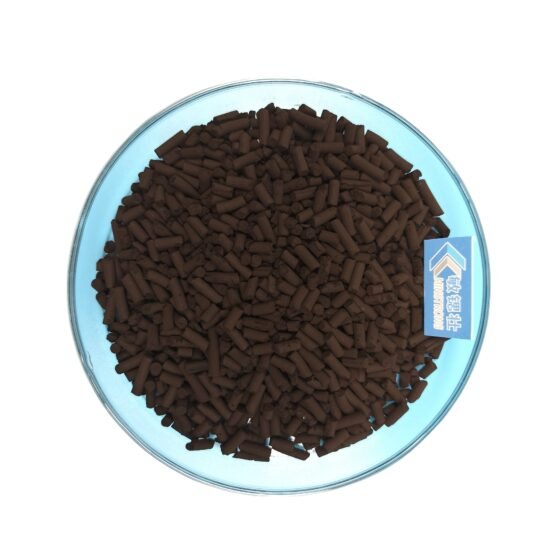
catalaíoch aonocsaíd charbóin
1. Foinsí Éillithe Aonocsaíd Charbóin i Spásanna Teoranta agus Riachtanais Rialaithe
1.1 Meicníochtaí Giniúint Aonocsaíd Charbóin i dTimpeallacht Theoranta
Is aonocsaíd charbóin gan dath, gás tocsaineach gan bholadh a eascraíonn go príomha as dóchán neamhiomlán ábhar carbónúil. Nuair nach leor an soláthar ocsaigine le linn dócháin, ní féidir carbóin a ocsaídiú go hiomlán go dé-ocsaíd charbóin, as a dtagann foirmiú cion áirithe de aonocsaíd charbóin.
I dtimpeallachtaí teoranta nó leathteoranta, Áirítear foinsí aonocsaíde carbóin de ghnáth:
- Gáis sceite ó threalamh dóite breosla;
- Astaíochtaí ó innill dócháin inmheánaigh;
- Gáis charbóineacha ó dhianscaoileadh teirmeach nó ó ocsaídiú neamhiomlán ábhar orgánach;
- Aonocsaíd charbóin a scaoiltear ó phróisis thionsclaíocha.
Toisc go bhfuil srian ar ghluaiseacht aeir i spásanna teoranta, ní féidir aonocsaíd charbóin a chaolú nó a ídiú go tapa, agus de ghnáth carnann sé i gceantair áitiúla. Nuair a nochtar pearsanra do thimpeallachtaí ina bhfuil aonocsaíd charbóin thar thréimhsí fada, téann aonocsaíd charbóin isteach sa chorp trí riospráid agus ceanglaíonn sí le haemaglóibin, ag lagú acmhainn iompair ocsaigine na fola. Tá sé léirithe ag staidéir go bhfuil cleamhnas níos mó ag aonocsaíd charbóin le haemaglóibin 200 uaireanta níos mó ná ocsaigin, mar sin is féidir rioscaí sláinte a bheith ag baint le nochtadh fada ag tiúchain réasúnta íseal fiú. Dá bhrí sin, tá rialú aonocsaíd charbóin éifeachtach riachtanach do spásanna teoranta a dteastaíonn iontráil pearsanra nó oibriú leanúnach uathu.
1.2 Modhanna Rialaithe Aonocsaíd Charbóin i Spásanna Teoranta agus a dTeorainneacha
Faoi láthair, Baineann trí chur chuige go príomha le rialú aonocsaíde carbóin i spásanna teoranta: caolú aerála, cóireáil asaithe, agus ocsaídiú catalaíoch.
Caolú aerála Is é an modh is coitianta, tiúchan aonocsaíde carbóin a laghdú trí mhalartú aeir a mhéadú. I measc na buntáistí a bhaineann leis tá dearadh córas simplí agus oibriú simplí, rud a fhágann go bhfuil sé oiriúnach do thimpeallachtaí oscailte nó dea-aeráilte. Mar sin féin, i spásanna an-teoranta, féadfar aeráil a theorannú le hacmhainn neamhleor aermhalartaithe, tomhaltas fuinnimh méadaithe, agus ar an bhfíric nach gcuireann sé deireadh le héilliú aonocsaíde carbóin.
Cóireáil asaithe úsáideann sé idirghníomhaíochtaí fisiceacha nó ceimiceacha ar dhromchlaí ábhar chun móilíní aonocsaíde carbóin a ghabháil. Cuireann sé éifeachtacht ard a bhaint tosaigh, ach tá an cumas asaithe críochta, agus is gnách go sáithíonn an t-ábhar tar éis oibriú fada, a éilíonn athsholáthar nó athghiniúint tréimhsiúil. Dá bhrí sin, is fearr an asaithe d’fheidhmchláir ghearrthéarmacha nó d’fheidhmchláir ualaigh ísle.
Cóireáil ocsaídiúcháin chatalaíoch íslíonn sé an fuinneamh gníomhachtaithe imoibrithe, rud a ligeann d’aonocsaíd charbóin imoibriú le hocsaigin ag teochtaí réasúnta íseal chun dé-ocsaíd charbóin a fhoirmiú. Ní chaitear an chatalaíoch i gcainníochtaí móra le linn an imoibrithe; ina ionad, cuireann sé ocsaídiú chun cinn go leanúnach trí shuíomhanna gníomhacha dromchla. Fágann sin go bhfuil ocsaídiú catalaíoch níos oiriúnaí do chórais aershábháilteachta a dteastaíonn oibriú fadtéarmach uathu.
2. Bunphrionsabail maidir le hAonocsaíd Charbóin a Bhaint trí Chatalaíoch Aonocsaíd Charbóin
2.1 Próiseas Ocsaídiú Chatalaíoch Aonocsaíd Charbóin
Ní hamháin go n-ionsúnn catalaíoch aonocsaíd charbóin aonocsaíd charbóin; athraíonn siad é trí imoibrithe ceimiceacha ar an dromchla catalaíoch. Is gnách go mbíonn na céimeanna seo a leanas i gceist leis an bpróiseas iomlán:
- Asaithe móilín aonocsaíd charbóin. Téann aonocsaíd charbóin san aer isteach i bpiocháin an chatalaíoch agus déanann sé ionsú ar shuíomhanna gníomhacha ar dhromchla an chatalaíoch. Áirítear leis na suíomhanna gníomhacha seo lochtanna dromchla ar ocsaídí miotail, suíomhanna miotail-ian nochta, agus réigiúin ina bhfuil folúntas ocsaigine. Méadaíonn asaithe an tiúchan áitiúil de mhóilíní aonocsaíde carbóin, iad a dhéanamh ar fáil níos éasca le haghaidh ocsaídiúcháin ina dhiaidh sin.
- Gníomhachtú móilín ocsaigine. Ní mór don dromchla catalaíoch ocsaigin an phas gáis a thiontú ina speiceas ocsaigine imoibríoch. Braitheann an chéim seo ar struchtúr leictreonach an chatalaíoch, soghluaisteacht ocsaigine, agus líon na bhfolúntas ocsaigine dromchla.
- Imoibriú ocsaídiúcháin dromchla. Nascann aonocsaíd charbóin asaithe le hocsaigin ghníomhach chun dé-ocsaíd charbóin a fhoirmiú. Le linn an imoibrithe seo, déantar ocsaigin dromchla a chaitheamh agus cruthaítear folúntais ocsaigine.
- Aisghabháil timthriall ocsaigine catalaíoch. Athlíonann ocsaigin ón aer na folúntais ocsaigine ar dhromchla an chatalaíoch, an chatalaíoch a athbhunú go dtí a staid ghníomhach. Cuireann an timthriall seo ar chumas an chatalaíoch a bheith rannpháirteach go leanúnach in ocsaídiú aonocsaíde carbóin.
2.2 Meicníocht Chatalaíoch Ocsaídithe Aonocsaíd Charbóin ar Theocht Íseal
Go hiondúil ní féidir le córais sábháilteachta spáis iata teochtaí imoibrithe arda a sholáthar, mar sin caithfidh cumas ocsaídiúcháin ísealteochta a bheith ag an gcatalaíoch aonocsaíd charbóin. Ag glacadh leis an gcóras ocsaíd mheasctha copair-mangainéise mar shampla, Eascraíonn a ghníomhaíocht ar theocht íseal go príomha as na héifeachtaí sineirgisteacha idir ocsaídí miotail éagsúla. Cuireann speicis chopair asaithe agus gníomhachtú ocsaigine chun cinn, Soláthraíonn ocsaídí mangainéise soghluaisteacht láidir ocsaigine, agus éascaíonn aistriú leictreon idir copar agus mangainéis an timthriall ocsaí.
Leanann an próiseas seo an clasaiceach Mars-van Krevelen (MvK) meicníocht redox: tar éis imoibríonn aonocsaíd charbóin le hocsaigin laitíse ar an gcatalaíoch, foirmítear folúntais ocsaigine, agus athlánaítear ina dhiaidh sin le ocsaigin sa chéim gáis staid ocsaídithe an chatalaíoch. Is é an próiseas leanúnach rothaíochta ocsaigine seo a chumasaíonn ocsaídiú aonocsaíde carbóin ag teochtaí réasúnta íseal.
3. Príomhriachtanais Feidhmíochta do Chatalaíoch Aonocsaíd Charbóin i bhFeidhmchláir um Spáis Theoranta
Forchuireann córais sábháilteachta spáis iata ceanglais feidhmíochta speisialta ar chatalaígh aonocsaíde carbóin atá éagsúil leo siúd a bhaineann le catalaíoch tionsclaíoch ginearálta. Déantar cur síos ar na príomhghnéithe thíos.
3.1 Feidhmíocht Solais ar Theocht Íseal
Is gnách go n-oibríonn córais sábháilteachta spáis iata ag teocht chomhthimpeallach agus ní féidir leo coinníollacha imoibrithe ardteochta a sholáthar. Dá bhrí sin, caithfidh teocht íseal solais a bheith ag catalaíoch aonocsaíde carbóin, comhshó aonocsaíde carbóin maith ag teocht íseal, agus an cumas oiriúnú d'éagsúlachtaí teochta. Le haghaidh córais sábháilteachta, ní mór don chatalaíoch ardghníomhaíocht a thaispeáint faoi choinníollacha saotharlainne ach freisin feidhmíocht chobhsaí a chothabháil le linn luaineachtaí teochta comhthimpeallacha.
3.2 Friotaíocht Taise
Is fachtóir ríthábhachtach í an taise a théann i bhfeidhm ar fheidhmíocht fhadtéarmach chatalaígh aonocsaíde carbóin. D’fhéadfadh taise i spásanna teoranta éirí as riospráid, athruithe taise comhshaoil, agus comhdhlúthú le linn athshruthaithe aeir. Nuair a théann móilíní uisce isteach sa dromchla catalaíoch, is féidir leo suíomhanna gníomhacha a bhlocáil, dul san iomaíocht le haonocsaíd charbóin le haghaidh asaithe, agus rátaí imirce ocsaigine a laghdú. Mar shampla, in aon chóras aer-athchúrsála amháin, chomhlíon catalaíoch aonocsaíde carbóin na ceanglais feidhmíochta ar dtús, ach tar éis roinnt míonna d'oibriú leanúnach, tháinig laghdú ar a éifeachtúlacht bainte aonocsaíde carbóin. Níor tháinig aon athrú suntasach ar struchtúr bulc an chatalaíoch le fios ón gcigireacht; ba í an phríomhchúis ná gur thug coinníollacha ard-taise fadtéarmacha cead d'uisce codanna den limistéar gníomhach a áitiú, ag laghdú an dromchla imoibrithe éifeachtach. Dá bhrí sin, ní mór d’fheidhmchláir spás teoranta béim a chur ar fhriotaíocht taise agus ní féidir leo brath go hiomlán ar shonraí gníomhaíochta arna dtomhas faoi choinníollacha tirime.
3.3 Éilliú agus Friotaíocht Nimhiú
D’fhéadfadh eisíontais éagsúla a chuireann isteach ar fheidhmíocht catalaíoch a bheith i dtimpeallachtaí spáis teoranta, lena n-áirítear comhdhúile sulfair, comhdhúile halaigine, ábhair shalaithe orgánacha, agus cáithníní deannaigh. Is féidir leis na substaintí seo an catalaíoch a dhíghníomhachtú trí lárionaid ghníomhacha a chlúdach, struchtúir leictreonacha dromchla a athrú, nó cumas redox a ísliú. Ina measc seo, bíonn tionchar suntasach ag sulfair ar roinnt córas catalaíoch ocsaíd mhiotail, d’fhéadfadh caillteanas gníomhaíochta fadtéarmach a bheith mar thoradh air. Dá bhrí sin, i dtimpeallachtaí casta, 648/2012 Téacs atá ábhartha maidir leis an LEE is gá anailís a dhéanamh roimh ré ar fhoinsí ábhar éillithe agus bearta scagacháin nó réamhchóireála iomchuí a chur i bhfeidhm.
3.4 Cobhsaíocht agus Marthanacht Fadtéarmach
Is minic go gcaithfidh córais sábháilteachta spáis iata fanacht ar fuireachas ar feadh tréimhsí fada agus tosú go tapa nuair is gá. Dá bharr sin, ní mór don chatalaíoch ceanglais maidir le cobhsaíocht fhadtéarmach stórála a chomhlíonadh ag an am céanna, feidhmíocht chobhsaí trí thimthriallta tosaithe arís agus arís eile, agus meath mall gníomhaíochta. I gcleachtas tionsclaíoch, déantar saolré catalaíoch a chinneadh ní hamháin ag an ábhar féin ach freisin ag an timpeallacht oibriúcháin agus ag cleachtais chothabhála.
4. Fachtóirí Móra a bhfuil Tionchar acu ar Fheidhmíocht Chatalaíoch Aonocsaíd Charbóin
4.1 Achar Dromchla Sonrach agus Struchtúr Pore
Cinneann achar dromchla sonrach catalaíoch an t-achar dromchla atá ar fáil in aghaidh an aonaid mhais ábhair. Go ginearálta méadaíonn achar dromchla sonrach níos mó líon na láithreán gníomhach, feabhsaítear cumas asaithe aonocsaíde carbóin, agus feabhsaítear éifeachtúlacht teagmhála gáis-soladach. Mar sin féin, níl achar dromchla níos airde níos fearr i gcónaí. Déantar struchtúir phóir chatalaíoch a aicmiú go hiondúil mar mhicreapores (‹2 nm, ag soláthar achar dromchla mór), mesopóir (2–50 nm, idirleathadh imoibreáin a éascú), agus maicreapóir (›50 nm, feabhas a chur ar aistriú mais gáis). Mura bhfuil ach micropores flúirseach ag catalaíoch, d’fhéadfadh go gcuirfí bac ar idirleathadh aonocsaíde carbóin, cosc a chur ar lánúsáid suíomhanna inmheánacha gníomhacha. Dá bhrí sin, Éilíonn catalaíoch aonocsaíde carbóin thionsclaíoch struchtúr póir ordlathach dea-dheartha chun gníomhaíocht agus ollaistriú a chothromú.
4.2 Soghluaisteacht Ocsaigin agus Feidhmíocht Redox
Go bunúsach is próiseas aistrithe leictreon a bhaineann le hocsaigin é ocsaídiú aonocsaíd charbóin. Tá dlúthbhaint ag feidhmíocht catalaíoch le líon na bhfolúntas ocsaigine, cumas stáit valence miotail a athrú, tiúchan ocsaigin gníomhach dromchla, agus an ráta athlíonta ocsaigine. Don chóras copar-mangainéise ocsaíd, cuireann athruithe valence idir Cu²⁺/Cu⁺ agus Mn⁴⁺/Mn³⁺ aistriú leictreon chun cinn agus feabhsaítear cumas ocsaídiúcháin ísealteochta.
4.3 Éifeachtaí Tiúchan Aonocsaíd Charbóin agus Tiúchan Ocsaigin
Bíonn tionchar díreach ag tiúchan aonocsaíd charbóin ar luchtú catalaíoch. Nuair a bhíonn tiúchan aonocsaíde carbóin ró-ard, méaduithe ar thomhaltas an láithreáin ghníomhach, ardaíonn strus imoibriú, agus d'fhéadfadh laghdú a dhéanamh ar éifeachtúlacht chomhshó. Ag an am céanna, Bíonn tionchar ag tiúchan ocsaigine freisin ar an bpróiseas ocsaídiúcháin catalaíoch. Mura bhfuil ocsaigin leordhóthanach, ní féidir leis an gcatalaíoch ocsaigin dromchla a athlánú in am, a chuireann teorainn leis an ráta ocsaídiúcháin aonocsaíde carbóin.
4.4 Éifeachtaí Teochta agus Treoluas Sreafa Gáis
Laghdaíonn treoluas ró-ard sreafa gáis an t-am cónaithe, rud a fhágann nach mbíonn dóthain teagmhála idir aonocsaíd charbóin agus an catalaíoch. Cuireann teocht ró-íseal bac ar ghníomhachtú aonocsaíde carbóin agus moilliú ar an ráta imoibrithe. D'fhéadfadh teocht ró-ard a bheith ina chúis le hathruithe struchtúracha sa chatalaíoch agus luasghéarú a dhéanamh ar an meath ar ghníomhaíocht. Dá bhrí sin, ní mór an raon cuí teochta agus spáis-treoluas a chinneadh bunaithe ar na coinníollacha oibriúcháin iarbhír.
5. Modheolaíocht um Dhearadh agus Roghnú an Chórais do Chatalaíoch Aonocsaíd Charbóin i Spás Teoranta
5.1 Ceanglais Chatalaíoch a Chinneadh Bunaithe ar an Timpeallacht Oibriúcháin
Roimh roghnú catalaíoch, ní mór na paraiméadair oibriúcháin seo a leanas a shoiléiriú maidir lena dtionchar ar roghnú: Cinneann tiúchan aonocsaíde carbóin an t-ualach cóireála, tionchar ag raon teochta ráta imoibrithe, Bíonn tionchar ag leibhéal na taise ar chobhsaíocht gníomhaíochta, Bíonn tionchar ag comhdhéanamh ábhar salaithe ar shaol an chatalaíoch, agus bíonn tionchar ag ráta sreafa aeir ar am teagmhála.
5.2 Ná Dírigh ar Éifeachtúlacht Bhaint Tosaigh amháin
De ghnáth déantar tástálacha saotharlainne faoi choinníollacha idéalacha, ach tá timpeallachtaí spáis teoranta i bhfad níos casta. Dá bhrí sin, ba cheart gníomhaíocht tosaigh a áireamh i meastóireacht chuimsitheach, cobhsaíocht fhadtéarmach, friotaíocht taise, friotaíocht nimhiú, agus feidhmíocht timthriall tosaithe, seachas an ráta comhshó aonocsaíde carbóin tosaigh amháin.
5.3 Oibriú agus Cothabháil Chatalaíoch
Chun saol seirbhíse catalaíoch a leathnú, is gá monatóireacht a dhéanamh go tréimhsiúil ar athruithe tiúchana aonocsaíde carbóin, rian titim brú an chórais, anailís a dhéanamh ar na cúiseanna atá le meath gníomhaíochta, agus bearta cothabhála cuí a dhéanamh bunaithe ar an gcineál díghníomhaithe.
6. Cásanna Feidhmchláir Chatalaíoch Aonocsaíd Charbóin i gCórais Sábháilteachta ar Spásanna Teoranta
Córais íonú athfhillte aeir ionadaíocht a dhéanamh ar an iarratas is coitianta. Is gnách go mbíonn tiúchan aonocsaíde carbóin íseal ag na córais seo, uaireanta oibriúcháin fada, agus láimhseáil aer athfhillte, agus is iad na príomhriachtanais ná gníomhaíocht ar theocht íseal agus cobhsaíocht fhadtéarmach.
Timpeallachtaí speisialaithe trealaimh teoranta go ginearálta tá malartú aeir teoranta, éilimh sábháilteachta arda, agus freagairt thapa a éileamh, ag cur béime ar chumas tosaithe tapa agus ar bhaint cobhsaí aonocsaíde carbóin.
Spásanna oibre teoranta tionsclaíochta d'fhéadfadh teacht ar ábhair shalaithe iolracha, éagsúlachtaí taise, agus éifeachtaí deannaigh, is gá friotaíocht nimhiú, friotaíocht taise, agus cumas oibríochta fadtéarmach.
7. Treonna sa Todhchaí i dTeicneolaíocht Chatalaíoch Aonocsaíd Charbóin
Díríonn leas iomlán a bhaint as teicneolaíocht catalaithe aonocsaíde carbóin ar thrí phríomhréimse.
Gníomhaíocht ísealteochta a fheabhsú i gceist leis an rialáil ocsaigine-folúntas, rátaí imirce ocsaigine a mhéadú, agus struchtúir na gcomhpháirteanna gníomhacha a bharrfheabhsú.
Inoiriúnaitheacht do thimpeallachtaí casta a fheabhsú cuireann sé béim ar fhorbairt ábhair chatalaíoch atá resistant ó thaobh taise, córais catalaíoch sulfair-fhulangach, agus dearaí struchtúracha frith-thruaillithe.
Cobhsaíocht struchtúrach a bharrfheabhsú Tá sé mar aidhm aige gníomhaíocht agus saolré a chothromú trí dhearadh réasúnach achar dromchla ar leith, struchtúr pore, agus struchtúr criostail.
Conclúid
Is é príomhról catalaíoch aonocsaíde carbóin i gcórais sábháilteachta spáis teoranta ná ocsaídiú catalaíoch a úsáid chun aonocsaíd charbóin a thiontú go dé-ocsaíd charbóin go leanúnach., rud a laghdódh an baol carnadh aonocsaíde carbóin. I gcomparáid le bheith ag brath go hiomlán ar aeráil nó asaithe, tá ocsaídiú catalaíoch níos oiriúnaí do thimpeallachtaí aer-athchúrsála a dteastaíonn oibriú fadtéarmach uathu.
In iarratais phraiticiúla, áfach, Braitheann feidhmíocht catalaíoch ní hamháin ar chomhshó tosaigh aonocsaíde carbóin ach freisin ar fhachtóirí cosúil le taise, ábhar salaithe, soghluaisteacht ocsaigine, struchtúr pore, agus paraiméadair oibriúcháin. Dá bhrí sin, ní mór meastóireacht chuimsitheach bunaithe ar thimpeallacht shonrach an fheidhmchláir a bheith i gceist le roghnú catalaíoch aonocsaíde carbóin do spásanna teoranta, cothromaíocht réasúnta a bhaint amach i measc gníomhaíocht ar theocht íseal, friotaíocht taise, friotaíocht nimhiú, agus cobhsaíocht fhadtéarmach chun oibriú córas marthanach agus iontaofa a áirithiú.
údar:Gloria
dáta:2026-07-16
WeChat
Scan an Cód QR le WeChat