 Chất xúc tác dòng Minslite để loại bỏ Ozone/CO/VOC
Thị trường xúc tác oxit mangan toàn cầu đạt USD 438 triệu trong 2024, và dự báo của ngành sẽ đạt USD 622 triệu bởi 2032, đăng ký CAGR của 4.52%. Đằng sau sự tăng trưởng này là giá trị kỹ thuật không thể thiếu của mangan dioxide (MnO₂) chất xúc tác trong lọc không khí công nghiệp—chúng đang chuyển từ nghiên cứu trong phòng thí nghiệm sang ứng dụng kỹ thuật quy mô lớn và trở thành vật liệu xúc tác kim loại không quý có tính cạnh tranh cao cho VOC công nghiệp, formaldehyde, và giảm ôzôn. Các nghiên cứu cho thấy ε-MnO₂ có thể đạt được 100% loại bỏ ozon ở nhiệt độ phòng; MnO₂ pha tạp Fe sau khi xử lý lão hóa sẽ tạo ra T₁₀₀ (nhiệt độ chuyển đổi hoàn toàn) của 180°C để oxy hóa o-xylene; và chất xúc tác oxit mangan chứa bạc có thể đạt tới qua 80% loại bỏ formaldehyde ở nhiệt độ phòng. Tận dụng nguồn tài nguyên dồi dào, chi phí chuẩn bị thấp, và các đặc tính oxi hóa khử có thể điều chỉnh được, mangan dioxide xác định lại con đường kỹ thuật và ranh giới kinh tế của thanh lọc không khí công nghiệp.
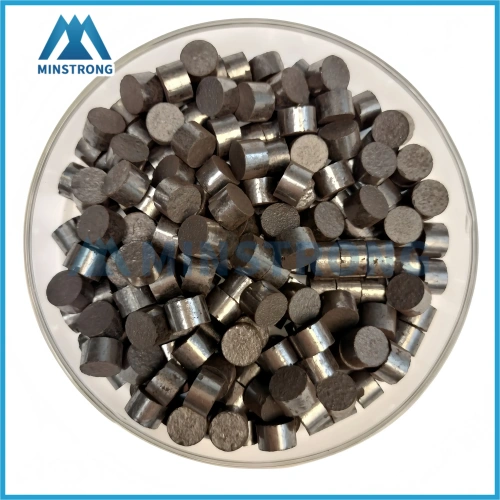
1. Tính chất hóa lý và cơ chế xúc tác của chất xúc tác Mangan Dioxide
Hiệu suất xúc tác của MnO₂ bắt nguồn từ các đặc tính hóa học độc đáo của nó. MnO₂ bao gồm [MnO₆] bát diện được liên kết bằng cách chia sẻ cạnh hoặc góc, hình thành nhiều cấu trúc tinh thể bao gồm cả đường hầm (Một, b, c), nhiều lớp (d), và các loại Spinel. Sử dụng tổng hợp thủy nhiệt, các nhà nghiên cứu có thể chuẩn bị sáu pha MnO₂ riêng biệt (Một, b, c, d, e, tôi), và các pha này khác nhau rõ rệt ở diện tích bề mặt cụ thể, nồng độ chỗ trống oxy, và khả năng di chuyển của oxy. Ví dụ, ε-MnO₂ đạt đến diện tích bề mặt cụ thể là 199.48 m2·g⁻¹ với nhiều chỗ trống oxy và giá trị Ne là 7,23×10²¹ nguyên tử·g⁻¹.
Hơn nữa, vị trí tuyển dụng oxy và vị trí tuyển dụng mangan đóng vai trò là khiếm khuyết cấu trúc quan trọng quyết định hoạt động xúc tác. Hình dạng phối hợp giữa các nguyên tử oxy và mangan ảnh hưởng đến độ bền liên kết Mn–O và do đó điều chỉnh năng lượng hình thành của các chỗ trống oxy. Những vị trí tuyển dụng này tăng cường khả năng hấp phụ, thúc đẩy chuyển điện tử, và tạo điều kiện cho việc tạo ra các loại oxy phản ứng. Hơn thế nữa, xử lý lão hóa thúc đẩy sự kết hợp của Fe vào mạng MnO₂ để hình thành liên kết Fe–O–Mn, gây biến dạng mạng, tạo ra nhiều chỗ trống oxy, và cải thiện tính di động của oxy trong mạng. Ngoài ra, Tấm nano La/MnO₂, do kiểm soát hình thái, tạo ra nhiều chỗ trống oxy hơn và các loại mangan có hóa trị thấp hơn, thúc đẩy quá trình chuyển đổi các nhóm metoxy thành benzoate và tạo điều kiện thuận lợi cho việc chuyển đổi các loại oxy phản ứng trong quá trình phản ứng.
Công nghệ oxy hóa xúc tác mang lại hiệu quả cao và không gây ô nhiễm thứ cấp, làm cho nó rất hấp dẫn để thanh lọc không khí. Đáng chú ý, quá trình oxy hóa xúc tác dựa trên MnO₂ không cần chiếu xạ ánh sáng, có thể hoạt động ở nhiệt độ phòng hoặc nhiệt độ vừa phải, tiêu thụ ít năng lượng, và áp dụng cho nhiều tình huống khác nhau.
2. Kịch bản ứng dụng cốt lõi của Mangan Dioxide trong lọc không khí
(1) Quá trình oxy hóa xúc tác của Formaldehyd
Formaldehyde là một nhóm 1 chất gây ung thư theo Tổ chức Y tế Thế giới, với chu kỳ phát xạ là 3 ĐẾN 15 năm. Vật liệu gốc MnO₂ có thể phân hủy formaldehyde thành CO₂ và H₂O vô hại ở nhiệt độ phòng mà không tạo ra bất kỳ sản phẩm phụ có hại nào.
Ví dụ, Sàng phân tử bát diện mangan oxit chứa bạc (Ag/OMS-2) chất xúc tác đạt được qua 80% loại bỏ formaldehyde ở nhiệt độ phòng và có thể được tái sử dụng nhiều lần mà ít bị mất hoạt tính. Oxit mangan hoạt tính cho thấy hiệu quả thanh lọc formaldehyde ở nhiệt độ phòng tuyệt vời; Tuy nhiên, Mangan hoạt tính dạng bột tổng hợp trong phòng thí nghiệm khó có thể ứng dụng trực tiếp. Do đó, chuẩn bị chi phí thấp, Vật liệu sợi chứa mangan hoạt tính thân thiện với môi trường vẫn là trở ngại đáng kể cho việc triển khai ở quy mô lớn. Sử dụng phương pháp kết tủa oxi hóa khử (với tỷ lệ mol KMnO₄ và MnSO₄·H₂O là 4:4), chất xúc tác MnO₂ thu được có thể phân hủy formaldehyde ở nhiệt độ phòng.
(2) Quá trình đốt cháy xúc tác của các hợp chất hữu cơ dễ bay hơi (VOC)
VOC là nguồn gây ô nhiễm không khí chính. Quá trình oxy hóa xúc tác được xếp hạng là một trong những phương pháp hiệu quả nhất để loại bỏ VOC, và chìa khóa nằm ở việc phát triển các chất xúc tác có hoạt tính cao và ổn định. Ôxit gốc mangan mang lại giải pháp thay thế đầy hứa hẹn cho các chất xúc tác kim loại quý do chi phí thấp và hoạt tính oxi hóa khử tuyệt vời..
Đối với quá trình oxy hóa toluene, Các tấm nano La/MnO₂ đạt được hiệu quả loại bỏ toluene ở mức 40% Tại 40°C cho sự tập trung của 2000 g/m³, và hiệu suất xúc tác chỉ bắt đầu giảm sau 7 giờ. Điều thú vị, sau khi tái sinh bằng cách đun nóng ở 150°C trong 1 giờ, tỷ lệ loại bỏ phục hồi đến 40%. Đối với quá trình oxy hóa o-xylene, MnO₂ pha tạp Fe sau khi xử lý lão hóa sẽ tạo ra T₂₀, T₅₀, và giá trị T₁₀₀ của 142°C, 153°C, và 180°C, tương ứng—các giá trị này là 13°C, 14°C, và thấp hơn 20°C so với mẫu chưa ủ.
Hơn nữa, nghiên cứu của Viện Môi trường đô thị, Viện Hàn lâm Khoa học Trung Quốc, cho thấy quá trình đốt cháy xúc tác tổng hợp thúc đẩy đáng kể quá trình khoáng hóa axeton, etyl axetat, và toluene—T₅₀ của toluene giảm từ 214°C xuống 158°C. Trong hệ thống xúc tác kết hợp plasma, Chất xúc tác MnO₂ pha tạp Cu đạt được 100% loại bỏ toluene và o‑xylene với độ chọn lọc CO₂ 92.73%, đồng thời ngăn chặn sự hình thành sản phẩm phụ O₃ và NO₂.
(3) Phân hủy ozone
Phân hủy ozone bằng xúc tác đại diện cho công nghệ hứa hẹn nhất để loại bỏ ozone ở nhiệt độ phòng. ε-MnO₂, với diện tích bề mặt riêng cao, chỗ trống oxy dồi dào, và khả năng di chuyển oxy tuyệt vời, thể hiện hoạt động phân hủy ozone tốt nhất—nó đạt được 100% loại bỏ của ozone bên trong 200 phút ở nhiệt độ phòng (25°C). Các tính toán lý thuyết tiết lộ thêm cơ chế phân hủy trên MnO₂: nó chủ yếu liên quan đến sự hấp phụ/phân hủy O₃ và giải hấp các loại peroxo (O₂²⁻), với bước sau là bước xác định tỷ lệ.
Khi so sánh các phương pháp tổng hợp, α-MnO₂ được điều chế bằng phương pháp trạng thái rắn duy trì tốc độ chuyển đổi ozone ở mức qua 93% ở trong 4 giờ, cao hơn ~85% thu được bằng phương pháp thủy nhiệt. Sau khi biến đổi axit nitric, trạng thái rắn α-MnO₂ đạt đến diện tích bề mặt cụ thể là 192.98 m²·g⁻¹ và tăng chuyển đổi ozone trong 4 giờ lên bên trên 97%. Tương tự, sử dụng phương pháp hòa tan axit nitric chọn lọc để biến đổi γ-MnO₂ tại chỗ mang lại diện tích bề mặt cụ thể là 278.57 m²·g⁻¹ và tăng khả năng chuyển đổi ozone trong 12 giờ thành qua 90%.
(4) Phối hợp loại bỏ nhiều chất ô nhiễm
Trong khí thải công nghiệp thực tế, nhiều chất ô nhiễm thường cùng tồn tại. MnO₂ thể hiện những ưu điểm độc đáo trong việc loại bỏ đồng thời ozon và formaldehyde. Ngoài ra, một số nghiên cứu cho thấy phương pháp cơ hóa có thể tạo ra chất xúc tác Ce‑MnO₂ với hiệu suất tuyệt vời trong việc loại bỏ tổng hợp NOx và toluene. Khả năng đồng loại bỏ đa chất ô nhiễm này mang lại cho chất xúc tác mangan dioxide giá trị kỹ thuật không thể thay thế trong việc xử lý khí thải công nghiệp phức tạp.
3. Lợi thế cạnh tranh của MnO₂ so với kim loại quý và các vật liệu xúc tác khác
Kim loại quý (Pt, Pd, Âu, vân vân.) thể hiện hoạt tính xúc tác xuất sắc, nhưng chúng khan hiếm và đắt tiền. Hơn thế nữa, chất xúc tác kim loại quý có thể tạo ra các sản phẩm phụ polychlorin hóa có độc tính cao hơn trong quá trình oxy hóa xúc tác VOC clo hóa. Mangan dioxit, như một chất xúc tác kim loại không quý đại diện, thể hiện lợi thế cạnh tranh rõ ràng ở nhiều khía cạnh.
Lợi thế về chi phí: Mangan là nguyên tố có nhiều trong vỏ Trái Đất, và chi phí điều chế MnO₂ thấp hơn nhiều so với chất xúc tác kim loại quý. Quá trình oxy hóa xúc tác được xếp hạng là một trong những phương pháp loại bỏ VOC hiệu quả nhất, được đánh giá cao vì chi phí thấp và hiệu quả loại bỏ cao.
Hoạt động xúc tác có khả năng điều chỉnh cao: Các nhà nghiên cứu có thể sửa đổi linh hoạt MnO₂ thông qua kỹ thuật pha tinh thể (Một, b, c, d, e, vân vân.), kiểm soát hình thái (tấm nano, hạt nano, thanh nano, hoa nano, vân vân.), pha tạp nguyên tố (các, Fe, Củ, Ce, Ag, vân vân.), và kỹ thuật khiếm khuyết. Hoạt tính xúc tác của La/MnO₂ với các hình thái khác nhau giảm dần theo thứ tự: tấm nano > hạt nano > thanh nano > hoa nano.
Khả năng chống độc và ổn định: MnO₂ sở hữu các đặc tính oxy hóa khử thuận nghịch và cho thấy khả năng chống nhiễm độc tốt trong các ứng dụng như đốt xúc tác VOC. Thông qua việc ngâm tẩm KOH, δ-MnO₂ bị vô hiệu hóa có thể đạt được 100% chuyển đổi formaldehyde trong 5 giờ ở nhiệt độ phòng; Rửa bằng nước có thể tái tạo hiệu quả α-MnO₂ bị nhiễm độc lưu huỳnh.
4. Các chiến lược điều chỉnh chính cho hiệu suất xúc tác
(1) Cấu trúc pha tinh thể
Các pha MnO₂ khác nhau thể hiện hoạt tính xúc tác khác nhau đáng kể đối với cùng một chất ô nhiễm. ε-MnO₂ cho thấy hoạt tính phân hủy ozone cao nhất, trong khi δ-MnO₂ hoạt động tốt nhất trong quá trình oxy hóa formaldehyde ở nhiệt độ phòng. Hình dạng phối hợp của các nguyên tử oxy ở các pha khác nhau ảnh hưởng đến năng lượng liên kết Mn–O và do đó kiểm soát hàng rào hình thành các chỗ trống oxy.
(2) Kỹ thuật khiếm khuyết
Loại và sự phong phú của các vị trí tuyển dụng oxy và các vị trí tuyển dụng mangan đóng vai trò là đặc điểm cấu trúc cốt lõi chi phối hiệu suất xúc tác. Quá trình xử lý lão hóa thúc đẩy sự kết hợp Fe vào mạng MnO₂ để hình thành liên kết Fe–O–Mn, gây biến dạng mạng, tạo ra nhiều chỗ trống oxy, và tăng cường khả năng di chuyển của oxy trong mạng. Đáng chú ý, vị trí tuyển dụng oxy (Võ), nhóm hydroxyl bề mặt, và các cặp oxi hóa khử kim loại đóng vai trò là vị trí hoạt động chính của chất xúc tác. So với Bir‑MnO₂, các mẫu được biến đổi có trạng thái oxy hóa trung bình thấp hơn và có thể tạo thành chu trình gồm ba trạng thái hóa trị mangan trong quá trình ozon hóa xúc tác.
(3) Doping nguyên tố
Pha tạp La³⁺ làm thay đổi độ dài liên kết Mn–O—vì bán kính ion của La lớn hơn, thay thế Mn trong δ-MnO₂ gây ra sự giãn nở mạng và kéo dài liên kết Mn–O. La pha tạp cùng với hình thái dạng tấm tạo ra nhiều chỗ trống oxy hơn và các loại mangan có hóa trị thấp hơn, thúc đẩy quá trình oxy hóa toluene. α-MnO₂ pha tạp Cu thể hiện hoạt tính xúc tác tuyệt vời và năng lượng hoạt hóa thấp hơn cho quá trình oxy hóa benzen. Pha tạp Ce trong OMS-2 làm thay đổi cấu trúc tinh thể; mẫu có tỷ lệ nguyên tử Mn/Ce là 4 cho diện tích bề mặt riêng lớn nhất và nồng độ chỗ trống oxy cao nhất.
(4) Kiểm soát hình thái
Hình thái chất xúc tác ảnh hưởng trực tiếp đến sự tiếp xúc của các vị trí hoạt động và hiệu suất chuyển khối. Các tấm nano La/MnO₂ thể hiện hoạt tính xúc tác tốt nhất do có nhiều chỗ trống oxy và các loại mangan có hóa trị thấp hơn. Hơn nữa, hiệu ứng mao dẫn của cấu trúc rỗng có thể tập trung chất phản ứng và nâng cao hiệu suất xúc tác.
(5) Phương pháp chuẩn bị
Các phương pháp chuẩn bị khác nhau ảnh hưởng trực tiếp đến hình thái, diện tích bề mặt riêng, và hoạt tính xúc tác của MnO₂. So với phương pháp thủy nhiệt thông thường, phương pháp trạng thái rắn sử dụng các điều kiện nhẹ nhàng hơn và đơn giản hơn, đạt được diện tích bề mặt riêng lớn hơn trong khi thu được đường kính lỗ rỗng trung bình nhỏ hơn, tạo điều kiện thuận lợi cho việc chuyển khối lượng. Ví dụ, ε-MnO₂ được tổng hợp bằng thủy nhiệt có thể đạt tới diện tích bề mặt cụ thể là 199.48 m2·g⁻¹.
5. Hướng dẫn lựa chọn công nghiệp và những thách thức kỹ thuật
Tiêu chí lựa chọn chính. Người dùng công nghiệp trước tiên phải mô tả thành phần khí thải, sự tập trung, nhiệt độ, và độ ẩm. Các chất ô nhiễm khác nhau đòi hỏi các pha MnO₂ khác nhau—để loại bỏ formaldehyde, δ-MnO₂ hoặc oxit mangan được hỗ trợ được ưu tiên; để phân hủy ozone, ε-MnO₂ hoặc α-MnO₂ đều phù hợp; cho quá trình đốt xúc tác VOC, nên lựa chọn pha và sơ đồ pha tạp thích hợp dựa trên các chất ô nhiễm cụ thể. Đối với môi trường có độ ẩm cao, nên ưu tiên các chất xúc tác có khả năng biến tính chịu nước vì các phân tử nước có thể cạnh tranh với ozon để hấp phụ các chỗ trống oxy, gây vô hiệu hóa. Nói chung là, kích thước hạt nhỏ hơn và diện tích bề mặt riêng lớn hơn cung cấp nhiều vị trí hoạt động hơn, nhưng các kỹ sư cũng phải cân nhắc sự cân bằng giữa độ giảm áp suất của giường và độ bền cơ học.
Những thách thức kỹ thuật. Chất xúc tác oxit kim loại chuyển tiếp dễ bị mất hoạt tính trong môi trường ẩm ướt. Nguyên nhân chính gây mất hoạt tính của hầu hết các chất xúc tác gốc mangan là do sự hấp phụ cạnh tranh của các phân tử nước với các chất ô nhiễm trên các vị trí hoạt động.. Ngoài ra, chuẩn bị mở rộng quy mô, ổn định hoạt động lâu dài, và tính khả thi về mặt kinh tế của các quá trình tái sinh vẫn là những yếu tố quan trọng hạn chế ứng dụng công nghiệp quy mô lớn. Mangan hoạt tính dạng bột khó sử dụng trực tiếp, và phát triển chi phí thấp, vật liệu xúc tác hỗ trợ thân thiện với môi trường vẫn là một thách thức đáng kể.
Chiến lược tái sinh. Thông qua việc ngâm tẩm KOH, δ-MnO₂ bị vô hiệu hóa có thể đạt được 100% chuyển đổi formaldehyde trong 5 giờ ở nhiệt độ phòng; Rửa bằng nước có thể tái tạo hiệu quả α-MnO₂ bị nhiễm độc lưu huỳnh. Các phương pháp tái sinh này cung cấp các lộ trình khả thi cho hoạt động công nghiệp chu kỳ dài của chất xúc tác mangan dioxide.
6. Định hướng công nghiệp hóa và triển vọng công nghệ
Nhìn về phía trước, Chất xúc tác mangan dioxide trong lọc không khí công nghiệp sẽ theo xu hướng phát triển này.
Đầu tiên, kiểm soát chính xác pha tinh thể và hình thái học. Điều tra có hệ thống về mối quan hệ giữa kết cấu và hiệu suất giữa các giai đoạn khác nhau, hình thái học, và hoạt tính xúc tác sẽ cho phép điều chỉnh các đặc tính xúc tác theo yêu cầu.
Thứ hai, tích hợp đa chức năng. Điều này liên quan đến việc tích hợp quá trình lọc hạt và phân hủy xúc tác khí gây ô nhiễm vào một vật liệu duy nhất. Công nghệ oxy hóa hấp phụ-xúc tác kết hợp, sử dụng than hoạt tính và sàng phân tử theo giai đoạn với hệ thống xúc tác dựa trên mangan, có thể giải quyết hiệu quả mức tiêu thụ năng lượng cao và khả năng thích ứng kém của các quy trình xử lý VOC truyền thống.
thứ ba, Xúc tác hiệu quả ở nhiệt độ thấp và nhiệt độ phòng đang trở thành xu hướng chủ đạo. Giảm tiêu thụ năng lượng là hướng đi cốt lõi cho thanh lọc không khí công nghiệp. Quá trình oxy hóa xúc tác ở nhiệt độ phòng là một phương pháp hiệu quả để loại bỏ formaldehyde nồng độ thấp. Ví dụ, Tấm nano La/MnO₂ có thể loại bỏ toluene hiệu quả ở 40°C.
thứ tư, thúc đẩy quá trình chuẩn bị xanh. Làm thế nào để giảm mức tiêu thụ năng lượng và khí thải trong quá trình chuẩn bị chất xúc tác trong khi vẫn duy trì hiệu suất xúc tác là vấn đề then chốt mà quá trình công nghiệp hóa phải giải quyết.
thứ năm, kiểm soát đa chất ô nhiễm tổng hợp. Khí thải công nghiệp thường chứa VOC cùng với NOx và ozone. Các phương pháp cơ hóa có thể tạo ra các chất xúc tác có hiệu suất loại bỏ NOx/toluene đồng thời tuyệt vời, và hướng đi này xứng đáng được tiếp tục quan tâm.
Với các chính sách môi trường ngày càng nghiêm ngặt và tiêu chuẩn khí thải công nghiệp ngày càng tăng, thị trường chất xúc tác mangan dioxide sẽ tiếp tục phát triển. Tận dụng lợi thế cốt lõi về nguồn tài nguyên dồi dào, hiệu quả chi phí, và hiệu suất có thể điều chỉnh, Chất xúc tác mangan dioxide có triển vọng ứng dụng rộng rãi trong lọc không khí công nghiệp.
tác giả: Gloria
ngày:2026/7/23
WeChat
Quét mã QR bằng WeChat