 ตัวเร่งปฏิกิริยาซีรีส์ Minslite สำหรับการกำจัดโอโซน/CO/VOC
โอโซนเป็นสารออกซิแดนท์ที่แรง. อุตสาหกรรมมักใช้ในการบำบัดน้ำ, การบำบัดก๊าซเสีย, การผลิตเซมิคอนดักเตอร์, และการฆ่าเชื้อทางการแพทย์. อย่างไรก็ตาม, โอโซนเองก็เป็นมลพิษทางอากาศเช่นกัน. หากปล่อยโอโซนตกค้างในไอเสียอุตสาหกรรมโดยไม่มีการบำบัด, มันฝ่าฝืนกฎระเบียบด้านสิ่งแวดล้อม. นอกจากนี้, มันเป็นอันตรายต่ออุปกรณ์, สุขภาพของมนุษย์, และระบบนิเวศ. ดังนั้น, การทำลายโอโซนนอกก๊าซกลายเป็นขั้นตอนที่ขาดไม่ได้ในกระบวนการเหล่านี้.
ท่ามกลางเทคโนโลยีบำบัดก๊าซโอโซนต่างๆ, การสลายตัวของตัวเร่งปฏิกิริยา โดดเด่น. ในความเป็นจริง, เป็นเส้นทางที่ใช้กันอย่างแพร่หลายและต้นทุนต่ำที่สุดในการลดโอโซนทางอุตสาหกรรม. วิธีการนี้จะเปลี่ยนโอโซนให้เป็นออกซิเจนได้อย่างมีประสิทธิภาพที่อุณหภูมิห้อง. โดยเฉพาะ, เทคโนโลยีการสลายตัวด้วยตัวเร่งปฏิกิริยาที่อุณหภูมิห้องใช้ตัวเร่งปฏิกิริยาที่ใช้ Mn. ตัวเร่งปฏิกิริยาเหล่านี้จะลดพลังงานกระตุ้นของปฏิกิริยาการสลายตัวของโอโซน. ส่งผลให้, ปฏิกิริยาดำเนินไปอย่างมีประสิทธิภาพที่อุณหภูมิและความดันโดยรอบ. นอกจากนี้, ตัวเร่งปฏิกิริยาสามารถนำมาใช้ซ้ำได้, ซึ่งช่วยลดต้นทุนการรักษาได้อย่างมาก. ด้วยขนาดที่เล็กทำให้ง่ายต่อการรวมเข้ากับอุปกรณ์ต่างๆ.
บทความนี้จะวิเคราะห์อย่างเป็นระบบว่าเทคโนโลยีการสลายตัวแบบเร่งปฏิกิริยาที่อุณหภูมิห้องช่วยลดต้นทุนการดำเนินงานทางอุตสาหกรรมได้อย่างไร. ครอบคลุมประเด็นสำคัญสี่ประการ: การใช้พลังงาน, การบำรุงรักษาอุปกรณ์, อายุการใช้งานของตัวเร่งปฏิกิริยา, และประสิทธิภาพการใช้โอโซน.
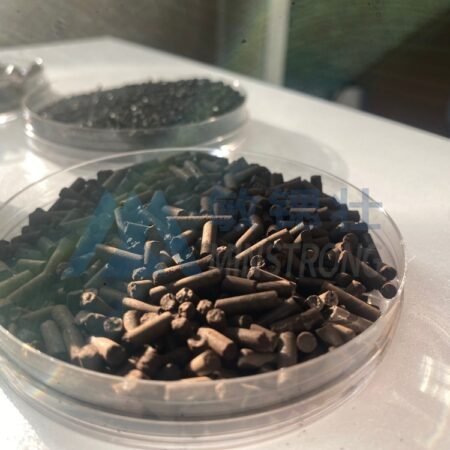
ตัวเร่งปฏิกิริยาการสลายตัวของโอโซน
1. ต้นทุนพลังงาน: จาก “การใช้พลังงานสูง” ถึง “การใช้พลังงานเกือบเป็นศูนย์”
วิธีการทางอุตสาหกรรมหลักสำหรับการบำบัดก๊าซนอกโอโซน ได้แก่ การดูดซับถ่านกัมมันต์, การสลายตัวด้วยความร้อน, และการสลายตัวของตัวเร่งปฏิกิริยา. อันดับแรก, การสลายตัวด้วยความร้อน เป็นแนวทางทั่วไปในช่วงแรกๆ. โดยจะทำความร้อนก๊าซที่มีโอโซนจนถึงอุณหภูมิ 300°C ถึง 400°C. สิ่งนี้ให้พลังงานเพียงพอสำหรับโมเลกุลโอโซนในการย่อยสลาย. เมื่อได้รับความร้อนถึง 350°C, ครึ่งชีวิตของโอโซนน้อยกว่า 0.04 วินาที. เพราะเหตุนี้, การสลายตัวที่สมบูรณ์สามารถทำได้ภายใน 1.5 ถึง 2 วินาที. แม้ว่าวิธีนี้จะมีประสิทธิภาพในการสลายตัวสูงก็ตาม, มันใช้พลังงานมหาศาล. นอกจากนี้ยังต้องใช้อุปกรณ์ทำความร้อนแบบพิเศษและฉนวนกันความร้อน. ส่งผลให้ต้นทุนการดำเนินงานสูง. สำหรับสายการผลิตอุตสาหกรรมที่ดำเนินการ 24/7, ค่าไฟฟ้าหรือเชื้อเพลิงเพื่อให้ความร้อนเพียงอย่างเดียวถือเป็นค่าใช้จ่ายระยะยาวที่สำคัญ.
ที่สอง, การดูดซับถ่านกัมมันต์ ใช้โครงสร้างรูพรุนของถ่านกัมมันต์เพื่อดูดซับโมเลกุลโอโซน. ในระหว่างกระบวนการนี้, โอโซนทำปฏิกิริยาทางเคมีบนพื้นผิวเพื่อสลายตัวเป็นออกซิเจน. อย่างไรก็ตาม, ความสามารถในการดูดซับของถ่านกัมมันต์มีจำกัด. ในความเป็นจริง, ประสิทธิภาพจะลดลงอย่างรวดเร็วภายใต้สภาวะที่มีความชื้นสูงและมีความเข้มข้นของโอโซนสูง. พออิ่มแล้ว, มันต้องมีการฟื้นฟูหรือทดแทน. นี้, ในทางกลับกัน, เพิ่มทั้งต้นทุนการดำเนินงานและความซับซ้อนในการบำรุงรักษา.
ที่สาม, การสลายตัวของตัวเร่งปฏิกิริยาที่อุณหภูมิห้อง มีความแตกต่างโดยพื้นฐาน. ตัวอย่างเช่น, ตัวเร่งปฏิกิริยาที่ใช้ Mn สามารถสลายโอโซนให้เป็นออกซิเจนได้เมื่อสัมผัสกับก๊าซที่มีโอโซนที่อุณหภูมิห้องหรืออุณหภูมิต่ำ. นอกจากนี้, โดยไม่จำเป็นต้องใช้แหล่งกำเนิดแสงหรือสภาวะภายนอกอื่นๆ. เทคโนโลยีนี้ทำงานที่อุณหภูมิห้องหรืออุณหภูมิต่ำ. ส่งผลให้, มันช่วยประหยัดพลังงาน, และต้นทุนการดำเนินงานเกือบเป็นศูนย์. ดังนั้น, โดยการนำการสลายตัวของตัวเร่งปฏิกิริยาที่อุณหภูมิห้องมาใช้, บริษัทสามารถยกเลิกการซื้อได้อย่างสมบูรณ์, การติดตั้ง, พลังงานอย่างต่อเนื่อง, และค่าบำรุงรักษาอุปกรณ์ทำความร้อน. สำหรับโรงงานอุตสาหกรรมขนาดกลาง, เพียงอย่างเดียวนี้สามารถประหยัดค่าใช้จ่ายด้านพลังงานได้หลายแสนถึงล้านหยวนในแต่ละปี.
2. ค่าอุปกรณ์และค่าบำรุงรักษา: ระบบที่เรียบง่ายและลดแรงงาน
เกินกว่าพลังงาน, การลงทุนด้านอุปกรณ์และการบำรุงรักษาตามปกติยังเป็นองค์ประกอบหลักของการบำบัดก๊าซนอกโอโซนทางอุตสาหกรรมอีกด้วย.
ในด้านหนึ่ง, การสลายตัวด้วยความร้อนต้องใช้อุปกรณ์หลายชุด. ซึ่งรวมถึงเตาเผาด้วย, เครื่องแลกเปลี่ยนความร้อน, ระบบควบคุมอุณหภูมิ, และวัสดุฉนวน. เพราะเหตุนี้, ส่งผลให้เกิดระบบที่ซับซ้อนโดยมีพื้นที่ขนาดใหญ่และมีการลงทุนเริ่มแรกสูง. นอกจากนี้, การทำงานที่อุณหภูมิสูงในระยะยาวส่งผลให้ส่วนประกอบเสื่อมสภาพและความล้าจากความร้อน. ปัญหาเหล่านี้ต้องมีการตรวจสอบและเปลี่ยนใหม่เป็นประจำ. ค่าใช้จ่ายในการบำรุงรักษาจึงยังคงสูงอย่างต่อเนื่อง.
ในทางกลับกัน, เทคโนโลยีตัวเร่งปฏิกิริยาที่อุณหภูมิห้องใช้เตียงที่บรรจุตัวเร่งปฏิกิริยาหรือส่วนประกอบแบบโมดูลาร์. ระบบนี้เรียบง่ายและต้องใช้อุปกรณ์น้อยลง. นอกจากนี้, กระบวนการนี้ไม่จำเป็นต้องใช้สารเคมีหรือการปรับ pH. นอกจากนี้ยังไม่จำเป็นต้องดำเนินการด้วยตนเองบ่อยๆ, ดังนั้นค่าแรงจึงต่ำ. ทำงานที่อุณหภูมิและความดันแวดล้อม, ไม่มีข้อกำหนดการต้านทานอุณหภูมิสูงเป็นพิเศษกับวัสดุอุปกรณ์. แทน, ช่วยลดความเสี่ยงด้านความปลอดภัยของอุปกรณ์ที่มีอุณหภูมิสูงและลดการลงทุนในการป้องกันความปลอดภัย. ด้วยเทคโนโลยีบูรณาการ, อุปกรณ์ที่เกี่ยวข้องมีน้อย. การดำเนินงานมีความสะดวก, และระดับของระบบอัตโนมัติอยู่ในระดับสูง.
3. ต้นทุนอายุการใช้งานและการเปลี่ยนตัวเร่งปฏิกิริยา
เป็นของอุปโภคบริโภค, อายุการใช้งานของตัวเร่งปฏิกิริยาส่งผลโดยตรงต่อต้นทุนการดำเนินงานในระยะยาว.
การสลายตัวของตัวเร่งปฏิกิริยาที่อุณหภูมิห้อง, วงจรการเปลี่ยนตัวเร่งปฏิกิริยาเป็นปัจจัยทางเศรษฐกิจที่สำคัญ. ข้อมูลการใช้งานทางอุตสาหกรรมแสดงให้เห็นว่าภายใต้อุณหภูมิและความดันโดยรอบ, ตัวเร่งปฏิกิริยาในอุปกรณ์ออกซิเดชันของตัวเร่งปฏิกิริยาโอโซนมีวงจรทดแทนของ 2 ถึง 3 ปี. ไม่มีค่าใช้จ่ายการบำรุงรักษาในระหว่างนั้น. ซึ่งหมายความว่าบริษัทต่างๆ จำเป็นต้องเปลี่ยนตัวเร่งปฏิกิริยาทุกๆ ครั้งเท่านั้น 2 ถึง 3 ปี. ส่งผลให้, พวกเขาแทบไม่ต้องจ่ายค่าบำรุงรักษาเพิ่มเติมในช่วงเวลานั้น.
นอกจากนี้, ตัวเร่งปฏิกิริยาบางตัวสามารถทำได้ การฟื้นฟู. วัสดุตัวเร่งปฏิกิริยาสามารถดูดซับและสร้างใหม่ได้อย่างต่อเนื่องระหว่างการทำงาน. สิ่งนี้ทำให้สามารถรีไซเคิลได้. หากกิจกรรมลดลงหลังจากช่วงระยะเวลาหนึ่ง, สามารถกู้คืนได้ด้วยวิธีการที่เหมาะสม. การประยุกต์ใช้เทคโนโลยีการฟื้นฟูช่วยยืดอายุการใช้งานที่มีประสิทธิภาพของตัวเร่งปฏิกิริยา. เพราะเหตุนี้, ซึ่งจะช่วยลดต้นทุนตัวเร่งปฏิกิริยาต่อหน่วยเวลา.
ในการคัดเลือกจริง, ค่าใช้จ่ายต่อปีของตัวเร่งปฏิกิริยาแตกต่างกันอย่างมาก. ตัวอย่างเช่น, เปรียบเทียบตัวเร่งปฏิกิริยาสองตัว: ต้นทุนตัวเร่งปฏิกิริยา A 2,000 หยวน/L และคงอยู่ 2 ปี. ดังนั้น, ต้นทุนรายปีคือ 1,000 หยวน/L·yr. ค่าใช้จ่ายของตัวเร่งปฏิกิริยา B 1,000 หยวน/ลิตร แต่คงอยู่เท่านั้น 6 เดือน. ดังนั้น, ต้นทุนรายปีคือ 2,000 หยวน/L·yr. ชัดเจน, Catalyst B ที่ราคาถูกกว่านั้นจริง ๆ แล้วจะมีต้นทุนต่อปีของ Catalyst A ถึงสองเท่า. สิ่งนี้แสดงให้เห็นว่าการมุ่งเน้นไปที่ราคาซื้อเริ่มแรกโดยไม่สนใจอายุการใช้งานมักจะนำไปสู่ค่าใช้จ่ายระยะยาวที่สูงขึ้นมาก. นอกจากนี้, การใช้ตัวเร่งปฏิกิริยาที่เกินอายุการใช้งานอาจทำให้ต้นทุนการดำเนินงานของระบบโดยรวมเพิ่มขึ้นมากกว่า 30%.
ในทางตรงกันข้าม, การสลายตัวด้วยความร้อนไม่มีค่าใช้จ่ายในการเปลี่ยนตัวเร่งปฏิกิริยา. อย่างไรก็ตาม, ค่าใช้จ่ายด้านพลังงานสูงสะสมไว้มากกว่า 2 ถึง 3 ปีเกินกว่าต้นทุนการซื้อครั้งเดียวของตัวเร่งปฏิกิริยามาก. จากมุมมองของต้นทุนวงจรชีวิต, เทคโนโลยีตัวเร่งปฏิกิริยาที่อุณหภูมิห้องมีข้อได้เปรียบทางเศรษฐกิจที่ชัดเจน.
4. ประหยัดต้นทุนทางอ้อมด้วยการใช้โอโซนที่ดีขึ้น
ที่แหล่งกำเนิดโอโซน, การใช้โอโซนเพิ่มขึ้น ยังช่วยลดต้นทุนการดำเนินงานได้อย่างมาก.
ในกระบวนการออกซิเดชันของโอโซนทั่วไป, การปล่อยโอโซนจำนวนมากด้วยก๊าซนอกโดยไม่มีส่วนร่วมในปฏิกิริยา. ซึ่งจะทำให้สิ้นเปลืองไฟฟ้าที่ใช้โดยเครื่องกำเนิดโอโซน. นอกจากนี้ยังเป็นการเพิ่มภาระในการบำบัดก๊าซหางอีกด้วย. อย่างไรก็ตาม, ด้วยตัวเร่งปฏิกิริยาที่มีประสิทธิภาพ, การใช้โอโซนสามารถเพิ่มขึ้นอย่างมากจากประมาณ 30% จบลง 95%. การใช้งานที่สูงขึ้นหมายความว่าการผลิตโอโซนเดียวกันสามารถบรรลุผลการบำบัดที่ดีขึ้น. อีกทางหนึ่ง, การสร้างโอโซนสามารถลดลงได้ในขณะที่ยังคงประสิทธิภาพการบำบัดเท่าเดิม. นี้, ในทางกลับกัน, ลดการใช้พลังงานและขนาดของเครื่องกำเนิดโอโซน.
ข้อมูลแสดงให้เห็นว่าด้วยเทคโนโลยีออกซิเดชันของตัวเร่งปฏิกิริยาโอโซน, ปริมาณโอโซนต่อมิลลิกรัม/ลิตรของซีโอดีที่กำจัดออกอาจต่ำกว่า 1.5 มก./ลิตร. นอกจากนี้, เวลาพักสั้นใน Catalyst Bed ช่วยลดปริมาณตัวเร่งปฏิกิริยาที่ต้องการและรอยเท้าโดยรวมได้อย่างมาก. ประสิทธิภาพที่เพิ่มขึ้นนี้แปลเป็นการประหยัดต้นทุนได้อย่างเห็นได้ชัดในระยะยาว. ตัวอย่างเช่น, การปฏิบัติงานด้านวิศวกรรมแห่งหนึ่งรายงานว่าต้นทุนการดำเนินงานลดลงประมาณ 15.2% หลังจากใช้ตัวเร่งปฏิกิริยาออกซิเดชันของโอโซนแล้ว.
5. การเปรียบเทียบต้นทุนที่ครอบคลุมและประโยชน์เชิงปฏิบัติ
การเปรียบเทียบปัจจัยด้านต้นทุนทั้งหมดข้างต้นแสดงให้เห็นอย่างชัดเจนถึงข้อได้เปรียบทางเศรษฐกิจของการสลายตัวด้วยตัวเร่งปฏิกิริยาที่อุณหภูมิห้อง:
| รายการต้นทุน | การสลายตัวด้วยความร้อน | การสลายตัวของตัวเร่งปฏิกิริยาที่อุณหภูมิห้อง |
|---|---|---|
| การใช้พลังงาน | สูง (ให้ความร้อนต่อเนื่องที่ 300–400°C) | ต่ำมาก (ต้นทุนการดำเนินงานเกือบเป็นศูนย์) |
| การลงทุนด้านอุปกรณ์ | สูง (เตาหลอม, เครื่องแลกเปลี่ยนความร้อน, ระบบฉนวน, ฯลฯ) | ต่ำ (ตัวเร่งปฏิกิริยาเบดหรือส่วนประกอบแบบโมดูลาร์) |
| ค่าบำรุงรักษา | สูง (ยกเครื่องอุปกรณ์อุณหภูมิสูงเป็นประจำ) | ต่ำ (ไม่ต้องบำรุงรักษาเป็นเวลา 2-3 ปี) |
| ค่าแรง | ปานกลาง | ต่ำ (การดำเนินงานไม่บ่อยนัก) |
| การลงทุนด้านความปลอดภัย | สูง (ป้องกันอุณหภูมิสูง) | ต่ำ (การทำงานที่อุณหภูมิแวดล้อม) |
ยกตัวอย่างอุตสาหกรรมเซมิคอนดักเตอร์, ความต้องการของตลาดประจำปีสำหรับการบำบัดก๊าซนอกโอโซนในภาคนี้เพียงอย่างเดียวอยู่ที่ประมาณ 2 ล้านล้านหยวน. เนื่องจากกฎระเบียบด้านสิ่งแวดล้อมเกี่ยวกับขีดจำกัดการปล่อยโอโซนยังคงเข้มงวดมากขึ้น, ตลาดนี้ยังคงเติบโตอย่างต่อเนื่อง. เพราะเหตุนี้, เทคโนโลยีการสลายตัวด้วยตัวเร่งปฏิกิริยาที่อุณหภูมิห้อง, ด้วยข้อดีที่ครบครันของ “การใช้พลังงานเกือบเป็นศูนย์, การทำงานที่ไม่ต้องบำรุงรักษา, และอายุการใช้งานยาวนาน,” กำลังกลายเป็นโซลูชั่นที่ต้องการสำหรับผู้ประกอบการอุตสาหกรรมจำนวนมากขึ้น.
บทสรุป
โดยสรุป, เทคโนโลยีการสลายตัวของโอโซนแบบเร่งปฏิกิริยาที่อุณหภูมิห้องช่วยลดต้นทุนการดำเนินงานทางอุตสาหกรรมในการบำบัดก๊าซนอกโอโซนอย่างเป็นระบบผ่านหลายเส้นทาง: ขจัดความร้อนที่อุณหภูมิสูง, ลดความซับซ้อนของระบบอุปกรณ์, ขยายรอบการเปลี่ยนตัวเร่งปฏิกิริยา, และปรับปรุงการใช้โอโซน. สำหรับองค์กรอุตสาหกรรมที่ปฏิบัติตามทั้งด้านสิ่งแวดล้อมและการลดต้นทุน, ไม่ต้องสงสัยเลยว่านี่คือเส้นทางเทคโนโลยีที่ให้ประโยชน์ทั้งด้านสิ่งแวดล้อมและเศรษฐกิจ. เนื่องจากเทคนิคการเตรียมตัวเร่งปฏิกิริยายังคงเติบโตและขนาดการผลิตก็ขยายตัว, ค่าใช้จ่ายในการใช้งานของการสลายตัวด้วยตัวเร่งปฏิกิริยาที่อุณหภูมิห้องจะลดลงอีก. ในที่สุด, โดยจะมอบโซลูชันการลดโอโซนที่เป็นไปได้ในเชิงเศรษฐกิจสำหรับสถานการณ์ทางอุตสาหกรรมในวงกว้างยิ่งขึ้น.
ผู้เขียน: กลอเรีย
วันที่:2026/6/17
วีแชท
สแกนรหัส QR ด้วย WeChat