 Катализаторҳои силсилаи Minslite барои бартараф кардани озон/CO/VOC
Барои саноати пулод барин, кокскунй, ва оҳак, ки гази дудро бо оксиди карбон аз миёна то баланд истеҳсол мекунанд (CO) консентратсияи, Оксидшавии каталитикии CO метавонад гармии худи реаксияро барои нигоҳ доштани ҳарорати кори система истифода барад., сарфи сузишвории беруниро ба таври асосй ё пурра иваз мекунад. Ин сарфаи назарраси ангишт ва коҳиши назарраси партовҳои карбонро таъмин мекунад. Технология назорати ифлосшавиро бо сарфаи энергия муттаҳид мекунад, табдил додани коркарди гази партов аз арзиши поки экологӣ ба роҳи дорои фоидаи иқтисодӣ. То он даме, ки консентратсияи гази СО дар сатҳи миёна то баланд бошад ва коркарди асосии тозакунии хок ва коркарди пешакии сулфур вуҷуд дорад., оксидшавии каталитикии худтаъминкунанда яке аз роҳҳои камхарҷ барои коҳиш додани ифлосшавӣ ва карбон мебошад.
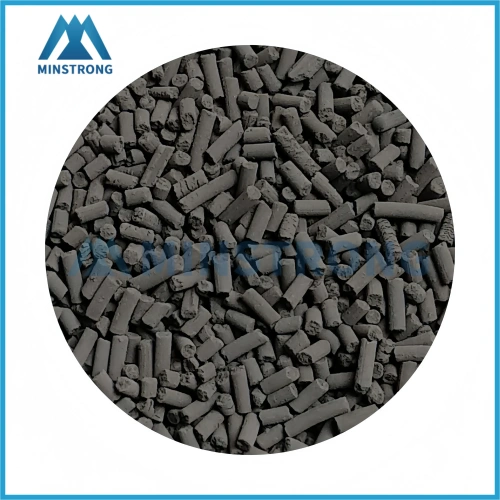
катализатори оксиди карбон
1. Чаро коркарди гази партов ба давраи кори «худтаъминкунй» дохил мешавад?
Ба муддати дуру дароз, коркарди гази партовҳои саноатӣ мантиқи "барои ба даст овардани мутобиқати муҳити зист сарф кардани энергия" пайравӣ кард. Сӯзиши мустақим ё оксидшавии гармии барқароршаванда истеъмоли пайвастаи гази табииро талаб мекунад, гази кокс, ё кувваи электр, боиси харочоти баланди амалиёт мегардад, ва худи сӯзишвории беруна партовҳои карбонро зиёд мекунад. Дар солҳоӣ охир, режими нав — истифодаи гармии дар натичаи оксидшавии каталитикии СО барои нигох доштани харорати зарурй, яъне., Амалиёти «худтаъминкунй» — аз лаборатория ба амалияи инженерй гузашт. Вақте ки CO ба CO₂ тавассути катализатор табдил меёбад, гармии назаррас бароварда мешавад. Агар ин гармй барои пешакй гарм кардани гази дохилшаванда истифода шавад, нигоҳ доштани ҳарорати хоб, ё денитрификатсияи поёнобро дучор ояд (SCR) ниёзҳои гармидиҳӣ, системаи табобат дигар истеъмолкунандаи энергия нест. Ин технология аллакай дар чандкаратаи пӯлод тасдиқ карда шудааст, танӯр кокс, ва лоихахои печьхои охак, воридшавии коркарди газҳои партов ба давраи нави "назорати ифлосшавӣ бо сарфаи энергия ва кам кардани карбон дар як вақт".
2. Чаро «худтаъминкунй» кор карда метавонад? — Мохияти термодинамикии оксидшавии каталитикии СО
Реаксияи оксиди карбон бо оксиген барои ба вучуд овардани гази карбон а реаксияи шадиди экзотермикӣ. Катализатор энергияи фаъолкуниро паст мекунад, имкон медихад, ки реакция дар харорати муътадил давом кунад. Катализаторхои оксиди омехтаи мис-марганеци хушсифат (масалан., Навъи хопкалит) реаксияро дар наздикии ҳарорати хона оғоз кунед. Гармии озодшуда табиатан ҳарорати қабати катализаторро баланд мекунад, ва ҳарорати баландтар реаксияро метезонад, эҷоди як ҳалқаи бозгашти мусбат. То он даме, ки СО ва оксиген пайваста дар гази дуд таъмин карда мешаванд, реаксия худро нигоҳ медорад ва пайваста гармӣ медиҳад. Хамин тавр, имкони-яти кори худмаблаггузорй ба ду факт такья мекунад: аввал, Оксидшавии CO ногузир экзотермикӣ буда, гармии назаррасро ҷудо мекунад; дуюм, катализатор имкон медиҳад, ки ин реаксияи экзотермикӣ дар ҳарорате, ки дар гази дудҳои саноатӣ маъмул аст, нарм ва пайваста ба амал ояд. Агар миқдори умумии CO дар гази дуд барои бартараф кардани талафоти гармӣ ва қонеъ кардани талаботи гармии поёноб гармии кофӣ диҳад, система бе энергияи беруна кор карда метавонад.
3. Барои ноил шудан ба кори худмаблаггузорй чй гуна шароит лозим аст?
Фаъолияти устувори худтаъминкунӣ дар як вақт се шарти асосиро талаб мекунад.
3.1 Консентратсияи CO дар гази дуд бояд ба қадри кофӣ баланд бошад
Энергия барои худтаъминкунӣ пурра аз худи CO меояд. Агар консентратсияи он хеле паст бошад, гармии озодшуда талафоти гармии каналро ҷуброн карда наметавонад, бигузор харорати газро барои процессхои поёноб баланд бардорад; вуруди гармии беруна зарур боқӣ мемонад. Бинобар ин, танҳо консентратсияи миёна то баланди газҳои ихроҷшуда (хоси агломерацияи пулод, печьхои кокс, печьхои охак) барои кори худмаблаггузорй потенциали хос доранд.
3.2 Катализатор бояд дар шароити воқеӣ устувор ва самаранок кор кунад
Гази дуди саноатӣ аксар вақт ифлосиҳо ба монанди пайвастагиҳои сулфур дорад, чанг, ва буғи об, ки метавонад заҳр ё банд катализатор. Камшавии фаъолияти катализатор табдилро кам мекунад, баровардани гармиро кам мекунад, ва таносуби худтаъминкуниро вайрон мекунад. Гайр аз ин, катализаторҳо равзанаи ҳарорати оптималии доранд: хеле паст аст ва реаксия оғоз намекунад; хеле баланд аст ва катализатор ба таври доимӣ безарар ва ғайрифаъол мешавад. Интихоби катализатор бо муқовимат ба сулфур, об, and dust, ки равзанаи харорати фаъоли он ба харорати гази дуд мувофик аст, ва таъмин намудани тоза кардани чанги пеши-нахо, десулфуризатсия, ва коркарди пешакии хушккунӣ кафолатҳои асосии фаъолияти худтаъминкунӣ мебошанд.
3.3 Тарҳрезии тавозуни гармии система бояд солим бошад
Фаъолияти худтаъминкунӣ натиҷаи синергетикаи система мебошад. Изолятсияи дурусти каналҳо, тақсимоти якхелаи ҷараёни газ, мониторинг ва назорати ҳарорат, ва мувофиқат бо равандҳои поёноб ҳама муҳим аст. Изолятсияи бад боиси талафоти гармӣ мегардад; ҷараёни нобаробар боиси ҳарорати паст ё аз ҳад зиёди маҳаллӣ мегардад; Ҳарорати аз ҳад зиёд муҳофизати гузаришро талаб мекунад. Асоси тарҳрезии садо ба даст овардани а тавозуни динамикӣ байни тавлиди гармӣ ва истеъмоли гармӣ ва инчунин талафоти гармӣ.
4. Кадом сенарияҳои саноатӣ ба осонӣ ба манфиатҳои худтаъминкунӣ ноил мешаванд?
Category 1: Консентратсияи баланди гази дуди CO. Steel sintering, coke oven flue gas, lime kiln tail gas, cement kiln tail gas, ва ғайра., консентратсияи баланди CO доранд, large flow, and continuous emission, иқтидори аълои худтаъминкуниро пешниҳод мекунад. Онҳо аксар вақт метавонанд гармкунакҳои аслии газро пурра иваз кунанд.
Category 2: Ҳарорати гази дуд ба равзанаи хомӯш кардани нури катализатор мувофиқат мекунад. Баъзе газҳои кимиёвии думдор ва ихроҷи печҳои коркарди гармӣ ҳарорати наздик ба ҳарорати хомӯшшавии катализатор доранд, бинобар ин барои оғози кори худтаъминкунӣ пеш аз гармкунӣ лозим нест.
Category 3: Равандҳои поёноб аллакай баландшавии ҳароратро талаб мекунанд. Агар гази дуд ба денитрификацияи минбаъда лозим бошад (SCR) ки харорати муайянро талаб мекунад, ҷойгир кардани оксидшавии каталитикӣ дар болооби SCR гармии реаксияи CO-ро барои иваз кардани усули гармидиҳии аслӣ истифода мебарад, коркарди CO ҳангоми сарфаи энергия барои гармидиҳии SCR - бо як ҳалли ду фоида.
5. «Худтаъминкунӣ» чӣ манфиатҳои дуҷониба меорад? (Coal saving + Carbon reduction)
Benefit 1: Сарфаи ангишт — боздехи бевоситаи иктисодй. Пас аз қабули оксидшавии каталитикии худтаъминкунанда, the fuel (гази кокс, natural gas, ё кувваи электр) дар ибтидо барои гарм кардани гази дуд истифода мешуд, кисман ё пурра сарфа карда шавад, бевосита кам кардани хароҷоти хариди энергия. Заводхои калони пулод ва кокс одатан маблаги худро дар давоми як-ду сол баргардонанд. Худи сарфаи ангишт маънои кам кардани карбонро дорад.
Benefit 2: Камшавии карбон - ду қабати таъсир. Аввал, канорагирӣ аз сӯхтани сӯзишвории беруна партобҳои мувофиқи CO₂-ро пешгирӣ мекунад. Дуюм, CO худ як гази гулхонаӣ аст; табдил додани он ба CO₂ таъсири гармшавии холисро ба таври назаррас коҳиш медиҳад. Оксидшавии каталитикӣ ҳангоми барқарор кардани энергия як ифлоскунандаро ба моддаи безарар табдил медиҳад - як равиши классикии "партов ба арзиш", ба даст овардани самараи сегонаи «назорати ифлосшавй, energy saving, and carbon reduction.”
6. Ҳангоми пешбурди технологияи худмаблағгузори аз ақидаҳои нодурусти умумӣ барои пешгирӣ кардан
Фикри нодуруст 1: Ҳама газҳои дуддодашуда барои худтаъминкунӣ мувофиқанд. Танҳо гази дуди консентратсияи CO аз миёна то баланд имкон дорад. Маҷбур кардани худтаъминкунӣ бо гази консентратсияи паст метавонад ба ҷои кам кардани он масрафи энергияро зиёд кунад..
Фикри нодуруст 2: Танҳо ба нархи катализатор таваҷҷӯҳ кунед, ба муқовимати заҳролуд ва умри беэътиноӣ. Катализаторҳои арзон дар гази дуди дорои сулфур зуд вайрон мешаванд, чанг, ва намии баланд. Вақте ки худтаъминкунӣ қатъ мешавад, гармидиҳии берунӣ бояд дубора оғоз шавад, ва арзиши баланди ивазкунӣ аз ҳама пасандозҳои аввала зиёдтар аст.
Фикри нодуруст 3: Тавозуни гармии система ва тарҳрезии изолятсияро сарфи назар кунед. Ҳатто катализатори хуб наметавонад худтаъминкуниро нигоҳ дорад, агар изолятсияи канал бад ва ҷараёни нобаробар бошад, боиси аз ҳад зиёд талафоти гармӣ мегардад.
Фикри нодуруст 4: Фикр кунед, ки худтаъминкунӣ "танзим ва фаромӯш кардан" аст. Катализаторҳо дар тӯли кори дарозмуддат оҳиста-оҳиста ғайрифаъол мешаванд. Мониторинги мунтазами самаранокӣ ва саривақт барқарор кардан ё иваз кардан зарур аст.
7. Чӣ гуна ширкат метавонад арзёбӣ кунад, ки оё оксидшавии каталитикии худтаъминкунанда барои макони худ мувофиқ аст ё не??
- Сатҳи консентратсияи CO-ро муайян кунед. Барои санҷидани он, ки консентратсияи он ба диапазони миёна то баланд аст, андозагирӣ ё маълумоти таърихиро истифода баред. Агар он баръало паст бошад, технологияҳои дигарро баррасӣ кунед.
- Ҷузъҳои наҷосати гази дудро таҳлил кунед. Are there sulfur, хлор, чанг, ё намии баланд? Арзёбӣ кунед, ки оё тозакунии чанг мавҷуд аст, десулфуризатсия, ва иншоотхои намноккунй ба талаботи мухофизати катализатор чавоб медиханд.
- Ҷараёни мавҷудаи равандро аз назар гузаронед ва талаботи гармиро ҷустуҷӯ кунед. Раванди поёнобро иҷро мекунад (масалан., денитрификатсияи SCR) баланд бардоштани ҳарорат лозим аст? Агар ҳа, оксидшавии каталитикӣ ҳамчун ивазкунандаи гармкунак фоидаи калонтаринро пешкаш мекунад. Агар не, баҳо диҳед, ки оё гармии хориҷшударо дар ҷои дигар истифода бурдан мумкин аст (оби дегро пешакй гарм кардан, ҳавои сӯзиш, ва ғайра.).
- Таъминкунандаи катализатори аз ҷиҳати техникӣ қобилиятнокро интихоб кунед. Афзалият ба таъминкунандагон бо R мустақил&Д, муваффақияти исботшуда дар шароити шабеҳи корӣ, қобилияти таъмини халабонҳои slipstream, ва дастгирии техникӣ.
- Арзёбии тавозуни гармӣ ва санҷиши зарурии озмоиширо анҷом диҳед. Пеш аз сармоягузорӣ, санҷиши slipstream дар макон гузаронед, то самаранокии табдили катализаторро тафтиш кунед, баландшавии ҳарорат, ва муқовимати захр дар шароити воқеии газҳои дуд. Ин роҳи боэътимоди коҳиш додани хатарҳост.
8. Хулоса: Оксидшавии каталитикии худтаъминкунанда як самти муҳим барои коркарди партовҳои гази камхарҷ ва камкарбон мебошад
Оксидшавии каталитикии худтаъминкунанда дар соҳаҳои саноат ба монанди пӯлод собит шудааст., кокскунй, ва оҳак. Он коркарди гази партовро аз истеъмоли ғайрифаъоли энергия ба саҳми фаъоли энергия табдил медиҳад, ба хам мувофик кардани максадхои экологй ва иктисодй. Барои татбиқи бомуваффақият фаҳмиши дақиқи шароити кори мушаххаси сайтро талаб мекунад, интихоби дурусти катализатор, тарҳрезии системаи садо, ва нигоҳдории доимӣ. Барои сенарияҳои саноатӣ бо консентратсияи CO аз миёна то баланд, ин яке аз роҳҳои камхарҷ барои коҳиш додани ҳам ифлосшавӣ ва ҳам карбон мебошад. Он ба корхонаҳо кӯмак мекунад, ки ба талаботи рӯзафзуни партовҳои экологӣ ҷавобгӯ бошанд ва ҳангоми кам кардани хароҷоти энергия ва коҳиш додани партовҳои карбон - воқеан ноил шудан ба "назорати ифлосшавӣ", energy saving, кам кардани карбон» се баробар бурд мекунад. Ширкатҳо бояд аз рӯи хусусиятҳои худии гази дуд аз ҷиҳати илмӣ баҳогузорӣ кунанд ва бодиққат кор кунанд.
Радди масъулият: Ин мақола таҳлили сифатии принсипҳои техникиро пешниҳод мекунад ва барои қарорҳои мушаххаси лоиҳа асос намебошад. Натиҷаҳои воқеӣ бо шароити сайт фарқ мекунанд (таркиби газ, ҳарорат, намӣ, таркиби сулфур, ва ғайра.). Тавсия дода мешавад, ки пеш аз сармоягузорӣ тавассути санҷиши slipstream дар сайт тасдиқ карда шавад.
муаллиф:Глория
сана:2026-05-09
WeChat
Коди QR-ро бо WeChat скан кунед