 Катализатори серије Минслите за уклањање озона/ЦО/ВОЦс
Одабир погрешног катализатора разлагања озона може довести до четири озбиљне последице: опасност од сагоревања и експлозије, прекомерне емисије, оштећење опреме, и знатно скраћен животни век. Најозбиљнија последица је да злоупотреба катализатора који садрже активни угаљ у окружењима високе концентрације озона може изазвати сагоревање или чак експлозије. Неправилан одабир који доводи до неусаглашености са стандардима емисије резултираће еколошким казнама и обуставом производње ради исправљања. Исправан избор катализатора треба да прати ових пет принципа: изаберите одговарајући тип на основу концентрације озона, одредити захтеве отпорности на влагу на основу услова влажности, израчунајте количину оптерећења на основу брзине простора, процените коегзистирајуће загађиваче како бисте избегли ризик од тровања, и узмите у обзир ограничења пада притиска приликом одабира облика катализатора. Следећа дискусија се фокусира на четири врсте ризика и одговарајуће мере за ублажавање.
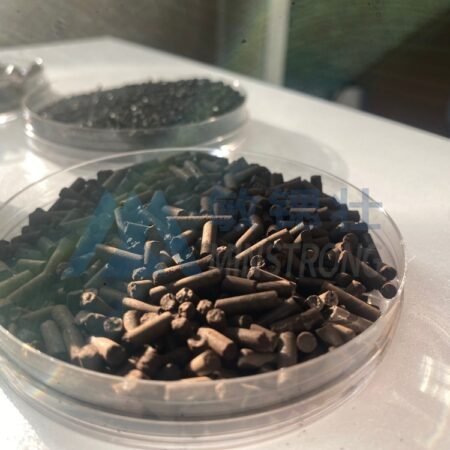
Катализатор разлагања озона
И. Ризик од сагоревања и експлозије: Најозбиљнија последица избора погрешног катализатора у окружењима високе концентрације
У окружењима високе концентрације озона (типично полупроводничке плочице за производњу издувних гасова или издувних гасова генератора озона, где је концентрација озона типично ≥500 ппм), реакција каталитичког распадања ослобађа велику количину топлоте. Промена енталпије разлагања озона у кисеоник је -34 кцал, што значи да разлагање на 1 кртица ослобађања озона 34 килокалорије топлоте.
Ако грешком изаберете катализатор који садржи активни угаљ, зеолита, или друге запаљиве компоненте у таквим условима рада, последице су изузетно озбиљне: систем не може на време да распрши топлоту реакције, а температура слоја може порасти на преко 600°Ц у року од неколико секунди, достизање тачке паљења активног угља, узрокујући да слој катализатора изгори или чак експлодира. Бројни записи из домаћих и међународних извора документују пожаре у јединицама за разлагање озона узроковане неправилним одабиром катализатора.
Мере превенције
У сценаријима високе концентрације, морате користити чисти катализатори на бази мангана или композитни оксид манган-бакар без икаквих запаљивих компоненти. Такође морате захтевати од добављача да јасно наведу састав катализатора и обезбеде податке о испитивању термичке стабилности током избора.
ИИ. Прекорачење емисионих стандарда: Недовољне перформансе катализатора доводе до кршења животне средине
Прекорачење емисионих стандарда је најчешћа и директна последица грешака у избору катализатора. Када активност изабраног катализатора не може да одговара стварним условима рада, катализатор не може у потпуности да разложи озон, а концентрација озона на излазу ће премашити стандардне границе животне средине.
Према кинеском националном стандарду Стандард квалитета ваздуха у затвореном простору (ГБ/Т 18883-2002), граница озона у затвореном простору је 0.16 мг/м³ (приближно 0.08 ппм). Што се тиче емисија индустријских отпадних гасова, тхе Интегрисани стандард емисије загађивача ваздуха (ГБ 16297-1996) поставља јасне границе за емисије озона. Прекорачење ових ограничења може довести до еколошких казни, рокови за исправку, или чак заустављања производње.
Грешке у избору које доводе до прекомерних емисија укључују:
- коришћењем наменског катализатора ниске концентрације када се третира озон високе концентрације;
- неуспех да израчуна запремину паковања на основу просторне брзине при третирању великих запремина ваздуха, што резултира недовољном запремином катализатора;
- коришћењем конвенционалног катализатора без отпорности на влагу у условима високе влажности.
Мере ублажавања
Пре избора катализатора, темељно проценити радне параметре (концентрација, запремина ваздуха, влажност), израчунајте запремину паковања користећи формулу просторне брзине (запремина катализатора = запремина третираног ваздуха ÷ пројектована просторна брзина), и захтевају од добављача да достави извештај о тестирању треће стране као доказ учинка.
ИИИ. Оштећење опреме: Проблеми са неконтролисаним падом притиска и корозијом
Одабир погрешне морфологије катализатора или величине честица може довести до тога да пад притиска у систему премаши пројектовани опсег. Док катализатори са претерано финим честицама (нпр., величина честица <1 мм) имају високу активност, значајно повећавају отпор протока ваздуха - када пад притиска премаши номиналну главу вентилатора, проток ваздуха у систему се смањује, смањење ефикасности обраде, а у тешким случајевима, потенцијално сагоревање мотора вентилатора.
Надаље, инфериорни катализатори се могу распршити током рада. Струја ваздуха носи фине честице настале уситњавањем у низводну опрему, потенцијално зачепљење цеви и оштећење прецизних инструмената. У окружењима са изузетно високим захтевима за чистоћом, као што је производња полупроводника, ова контаминација може довести до расипања целе серије облатни.
Мере ублажавања
Обезбедите добављачу максимални дозвољени пад притиска система и параметре вентилатора, и нека препоруче одговарајућу морфологију катализатора и величину честица. Редовно проверавајте стање слоја катализатора за уситњавање или агломерацију.
ИВ. Значајно смањен животни век: Чести трошкови замене због превременог квара
Неправилан избор катализатора може значајно скратити ефективни животни век катализатора. Најтипичнија су следећа три сценарија:
Услови високе влажности без катализатора отпорних на влагу
Када релативна влажност пређе 80%, молекули воде се такмиче са озоном за активна места на површини катализатора, што доводи до смањења активности. Озбиљније, акумулација водене паре може изазвати неповратна оштећења структуре. Под таквим условима, ово може скратити животни век конвенционалних катализатора од нормалног 3-5 године до 3-6 месеци.
Услови који садрже халогене/сулфиде без формула против тровања
Супстанце као што је хлор, флуороводоник, а водоник сулфид може да реагује са активним компонентама катализатора, стварање неактивних металних једињења. Не можете вратити затроване катализаторе регенерацијом загревања; морате их потпуно заменити.
Дизајн са претерано великом просторном брзином
Свемирске брзине које премашују капацитет обраде катализатора довешће до недовољног времена контакта између озона и катализатора, што доводи не само до тренутних емисија које прелазе границе већ и до убрзаног губитка активних компоненти услед продуженог рада са великим оптерећењем.
Мере ублажавања
Обезбедите добављачу комплетне радне параметре, укључујући влажност, врсте и концентрације коегзистирајућих загађивача. За граничне услове рада, препоручујемо спровођење малих лабораторијских тестова или тражење случајева примене под сличним условима за референцу.
Резиме
Укратко, трошак одабира погрешног катализатора разградње озона превазилази трошкове набавке опреме – од ризика од сагоревања и експлозије до еколошких казни, од оштећења опреме до честих замена, свака грешка може довести до економских губитака који далеко премашују интринзичну вредност катализатора. Научну селекцију треба заснивати на свеобухватној процени услова рада, доношење одговарајућих одлука у пет димензија: концентрација, влажност, свемирска брзина, коегзистирајући загађивачи, и пад притиска. Препоручујемо да добављачима обезбедите комплетну табелу оперативних параметара током процеса селекције и да затражите извештаје о тестирању трећих страна или сличне студије случаја примене као доказ за верификацију.
аутор: Глориа
датум:2026/4/29
ВеЦхат
Скенирајте КР код помоћу ВеЦхат-а