 Катализатори серије Минслите за уклањање озона/ЦО/ВОЦс
Смањење трошкова уклањања озона није само питање куповине најјефтинијег катализатора. У већини индустријских примена, највећи издаци често потичу од потрошње енергије, замена катализатора, застоја у одржавању, и модификације система. А катализатор разлагања озона високих перформанси може значајно смањити укупне трошкове поседовања побољшањем ефикасности конверзије озона, продужење радног века, минимизирање пада притиска, и одржавање стабилних перформанси у различитим условима рада. Стога, процена катализатора на основу трошкова животног циклуса, а не почетне набавне цене је често најекономичнија стратегија.
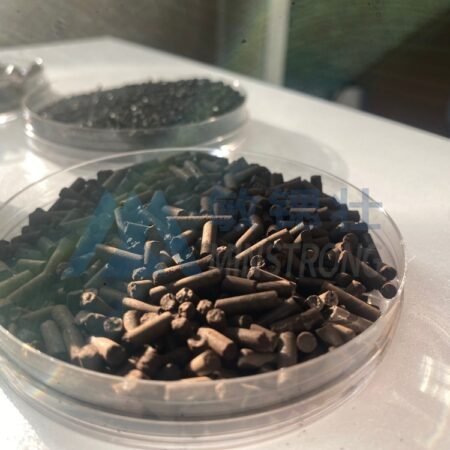
Катализатор разлагања озона
Разумевање стварне структуре трошкова система за уклањање озона
Приликом процене трошкова третмана озоном, многи оператери се првенствено фокусирају на трошкове набавке катализатора. Међутим, куповина катализатора обично представља само део укупне инвестиције.
Дугорочни оперативни трошкови могу укључити потрошњу енергије вентилатора, рад за замену катализатора, прекиди у производњи, одржавање опреме, и одлагање истрошеног материјала. У системима који раде непрекидно, ови трошкови могу неколико пута премашити оригиналну инвестицију катализатора. Као резултат тога, избор катализатора искључиво на основу јединичне цене може довести до већих укупних оперативних трошкова.
Већа ефикасност конверзије озона смањује захтеве опреме
Активност катализатора директно утиче на учинак разлагања озона. Високо активан катализатор може постићи потребну ефикасност уклањања озона уз мању запремину катализатора или краће време задржавања гаса.
Ово ствара неколико економских предности. Мањи слојеви катализатора смањују величину реактора, нижи трошкови инсталације, и смањити количину потребног катализатора. Висока ефикасност конверзије такође помаже у одржавању усклађености са захтевима за изложеност животне средине и на радном месту, смањење ризика од неуспеха система.
За објекте са великим протоком ваздуха, чак и скромно побољшање ефикасности катализатора може довести до значајних уштеда трошкова током животног века система.
Дужи век трајања минимизира трошкове замене и застоја
Замена катализатора подразумева више од материјалних трошкова. Искључења, рада, инспекцијске процедуре, и активности поновног покретања система доприносе оперативним трошковима.
Катализатори разлагања озона високих перформанси су типично пројектовани са оптимизованом дистрибуцијом активних компоненти, побољшана механичка чврстоћа, и повећана отпорност на деактивацију. Ове карактеристике помажу у одржавању каталитичке активности током дужих периода у индустријским условима рада.
Дужи радни век смањује учесталост замене, смањује захтеве за одржавањем, а минимизира прекиде у производњи, што доводи до нижих трошкова животног циклуса.
Низак пад притиска помаже у смањењу потрошње енергије
У системима за уништавање озона, отпор протока ваздуха има директан утицај на потрошњу енергије вентилатора. Катализатори са лошим структурним дизајном могу створити превелики пад притиска, повећање оперативних трошкова током животног века система.
Правилно конструисана геометрија катализатора може да обезбеди довољан контакт између молекула озона и активних места уз одржавање ефикасног протока ваздуха. Мањи пад притиска смањује потрошњу енергије вентилатора и доприноси стабилнијем раду система.
За објекте који раде непрекидно, уштеда енергије може постати један од најзначајнијих извора смањења трошкова.
Усклађивање дизајна катализатора са радним условима
Чак и катализатор са највишим перформансама можда неће дати економске користи ако није правилно усклађен са апликацијом.
Фактори као што су концентрација озона, брзина протока ваздуха, температура, влажност, утовар прашине, и простор за инсталацију треба узети у обзир приликом избора катализатора. Различити облици и димензије катализатора могу понудити предности у зависности од захтева процеса.
Катализатор који је оптимизован за стварне услове рада може постићи већу ефикасност, дужи век трајања, и боље економске перформансе од генеричког решења.
Процена укупних трошкова власништва уместо куповне цене
Најисплативије решење за уклањање озона је обично оно које испоручује најнижи укупни трошак власништва а не најнижи трошак набавке.
Када се пореде опције катализатора, оператери треба да процене ефикасност конверзије озона, очекивани радни век, карактеристике пада притиска, захтеви за одржавање, и потрошњу енергије заједно.
Катализатор са вишом почетном ценом може на крају да генерише значајне уштеде кроз смањене оперативне трошкове и побољшану поузданост система. Фокусирајући се на економију животног циклуса, а не само на трошкове набавке, индустријски објекти могу постићи одрживије и исплативије перформансе третмана озоном.
аутор:кака
датум:2026/6/23
ВеЦхат
Скенирајте КР код помоћу ВеЦхат-а