 Katalizatorë të serisë Minslite për heqjen e ozonit/CO/VOC-ve
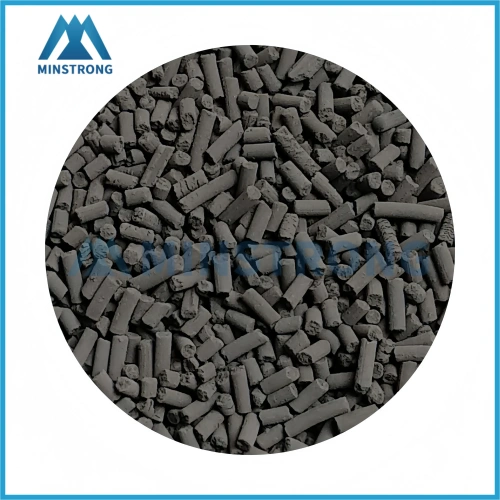
katalizator i monoksidit të karbonit
Jeta e shërbimit të një katalizatori të monoksidit të karbonit varet kryesisht nga pastërtia e gazit, kontrollin e lagështisë, kushtet e funksionimit, dhe mirëmbajtjen e sistemit. Shumica e dështimeve të parakohshme të katalizatorit nuk shkaktohen nga vetë katalizatori, por nga ekspozimi ndaj avullit të ujit, aerosolet e naftës, komponimet e squfurit, pluhuri, ose mjedise të papërshtatshme operimi. Duke zbatuar trajtimin e duhur paraprak, ruajtja e kushteve të qëndrueshme të funksionimit, dhe kryerjen e inspektimeve rutinë, përdoruesit mund të zgjasin ndjeshëm jetën e katalizatorit, përmirësojnë efikasitetin e heqjes së CO, dhe zvogëlojnë kostot afatgjata operative.
Pse Katalizatorët e monoksidit të karbonit Humbni aktivitetin me kalimin e kohës
Katalizatorët e monoksidit të karbonit konvertojnë CO në dioksid karboni përmes oksidimit katalitik. Gjatë funksionimit afatgjatë, vendet aktive në sipërfaqen e katalizatorit gradualisht mund të bllokohen, i helmuar, ose të dëmtuara, duke rezultuar në reduktimin e efikasitetit katalitik.
Shkaqet e zakonshme të çaktivizimit të katalizatorit përfshijnë lagështinë e tepërt, ndotje me vaj, grumbullimi i grimcave, komponimet që përmbajnë squfur, gazet që përmbajnë klor, dhe stresi termik. Kuptimi i këtyre faktorëve është hapi i parë drejt maksimizimit të jetëgjatësisë së katalizatorit.
Kontrolli i lagështisë është masa më e rëndësishme e mbrojtjes
Shumë katalizatorë të monoksidit të karbonit, veçanërisht katalizatorët me bazë bakri-mangani, janë shumë të ndjeshme ndaj lagështirës. Avujt e tepërt të ujit mund të zënë vende aktive, zvogëlojnë kapacitetin e absorbimit të oksigjenit, dhe në raste të rënda shkaktojnë humbje të pakthyeshme të aktivitetit.
Për sistemet industriale të pastrimit të gazit, Pajisjet efektive të tharjes duhet të instalohen në rrjedhën e sipërme të shtratit katalizator. Mbajtja e një pike të ulët dhe të qëndrueshme të vesës është shpesh një nga metodat më efektive për ruajtjen e performancës së katalizatorit. Parandalimi i bartjes së ujit të lëngshëm gjatë fillimit, mbyllje, apo luhatjet e procesit janë po aq të rëndësishme.
Parandalimi i vajit, Pluhuri, dhe Aerosolet nga Arritja e Shtratit Katalizator
Mbyllja fizike është një tjetër shkak kryesor i degradimit të katalizatorit. Grimcat e pluhurit mund të bllokojnë poret e katalizatorit, ndërsa mjegulla e naftës dhe aerosolet mund të formojnë depozitime në sipërfaqen e katalizatorit, duke reduktuar zonën e disponueshme të reagimit.
Një seksion paratrajtimi i projektuar siç duhet zakonisht përfshin filtrimin e grimcave, heqja e vajit, dhe pajisje për kondicionimin e gazit. Zëvendësimi i rregullt i elementeve të filtrit dhe inspektimi periodik i njësive të paratrajtimit ndihmojnë në parandalimin e ndotësve që të arrijnë katalizatorin dhe të shkaktojnë humbje afatgjatë të performancës.
Shmangni helmimin me katalizator nga papastërtitë e dëmshme
Disa ndotës gjurmë mund të dëmtojnë përgjithmonë aktivitetin e katalizatorit edhe në përqendrime shumë të ulëta. Komponimet e squfurit, substancat që përmbajnë fosfor, komponimet e silikonit, dhe disa gazra që përmbajnë halogjen janë helme të zakonshme katalizatore.
Para se të zgjidhni një katalizator, duhet kryer një analizë e detajuar e përbërjes së gazit. Nëse ka komponime helmuese, Njësitë e dedikuara të heqjes duhet të instalohen përpara shtratit të katalizatorit. Parandalimi i kontaminimit është dukshëm më efektiv dhe më ekonomik sesa zëvendësimi i një katalizatori të çaktivizuar.
Ruajtja e kushteve të qëndrueshme të funksionimit
Luhatje të shpeshta të temperaturës, shpejtësia e rrjedhjes, presioni, dhe përbërja e gazit mund të përshpejtojë plakjen e katalizatorit. Megjithëse katalizatorët e monoksidit të karbonit janë të aftë të funksionojnë në kushte relativisht të buta, Ndryshimet e papritura të procesit mund të krijojnë stres të lokalizuar brenda shtratit katalizator.
Ruajtja e parametrave të qëndrueshëm të funksionimit ndihmon në ruajtjen e strukturës së katalizatorit dhe siguron shpërndarje uniforme të gazit. Dizajni i duhur i reaktorit, procedurat e kontrolluara të nisjes, dhe menaxhimi i qëndrueshëm i procesit të gjitha kontribuojnë në jetëgjatësinë më të gjatë të katalizatorit.
Monitorimi i rregullt ndihmon në zbulimin e hershëm të problemeve
Performanca e katalizatorit duhet të monitorohet gjatë gjithë jetës së tij të funksionimit. Treguesit kryesorë përfshijnë efikasitetin e konvertimit të CO, rënia e presionit në shtratin e katalizatorit, përmbajtja e lagështisë së gazit, dhe nivelet e papastërtive.
Një rënie graduale e efikasitetit të konvertimit ose një rritje në rënien e presionit mund të tregojë kontaminim, kanalizimi, ose plakja e katalizatorit. Zbulimi i hershëm i lejon operatorët të adresojnë çështjet e sistemit përpara se të ndodhë dëmtimi i konsiderueshëm i katalizatorit.
Dizajni i Sistemit Shpesh Përcakton Performancën Afatgjatë të Katalizatorit
Vetë katalizatori është vetëm një komponent i një sistemi të plotë të heqjes së CO. Cilësia e shpërndarjes së gazit, efektiviteti i para-trajtimit, konfigurimi i reaktorit, dhe praktikat e mirëmbajtjes të gjitha ndikojnë në jetëgjatësinë e katalizatorit.
Në shumë aplikime industriale, një sistem i projektuar mirë mund të zgjasë jetën e shërbimit të katalizatorit me disa vjet në krahasim me instalimet që nuk kanë para-trajtim dhe kontroll operativ adekuat. Prandaj, jetëgjatësia e katalizatorit duhet të konsiderohet nga një perspektivë e inxhinierisë së sistemit në vend që të fokusohet vetëm në përzgjedhjen e katalizatorit.
Mendimet Përfundimtare
Zgjatja e jetës së shërbimit të një katalizatori të monoksidit të karbonit kërkon një kombinim të paratrajtimit të duhur të gazit, menaxhimi i lagështisë, kontrolli i ndotësve, funksionim të qëndrueshëm, dhe monitorim rutinë. Duke adresuar shkaqet rrënjësore të çaktivizimit të katalizatorit, Përdoruesit industrialë mund të mbajnë efikasitet të lartë të heqjes së CO, zvogëloni kostot e mirëmbajtjes, dhe të arrihet funksionim afatgjatë më i besueshëm i sistemeve të pastrimit të gazit.
autor:kaka
datë:2026/6/15
WeChat
Skanoni kodin QR me WeChat