 ਓਜ਼ੋਨ/CO/VOCs ਨੂੰ ਹਟਾਉਣ ਲਈ ਮਿਨਸਲਾਈਟ ਸੀਰੀਜ਼ ਕੈਟਾਲਿਸਟਸ
ਫਾਰਮੈਲਡੀਹਾਈਡ ਨੂੰ ਉਤਪ੍ਰੇਰਕ ਦੁਆਰਾ ਹਟਾਇਆ ਜਾ ਸਕਦਾ ਹੈ, ਅਤੇ ਉਚਿਤ ਓਪਰੇਟਿੰਗ ਹਾਲਤਾਂ ਅਧੀਨ, ਉਤਪ੍ਰੇਰਕ ਆਕਸੀਡੇਸ਼ਨ ਤਕਨਾਲੋਜੀ ਸਿੱਧੇ ਤੌਰ 'ਤੇ ਫਾਰਮਲਡੀਹਾਈਡ ਨੂੰ ਕਾਰਬਨ ਡਾਈਆਕਸਾਈਡ ਅਤੇ ਪਾਣੀ ਵਿੱਚ ਬਦਲ ਸਕਦੀ ਹੈ, ਸਧਾਰਣ ਪ੍ਰਦੂਸ਼ਕ ਟ੍ਰਾਂਸਫਰ ਦੀ ਬਜਾਏ ਅਸਲ ਖਣਿਜੀਕਰਨ ਨੂੰ ਪ੍ਰਾਪਤ ਕਰਨਾ. ਐਕਟੀਵੇਟਿਡ ਕਾਰਬਨ ਸੋਸ਼ਣ ਅਤੇ ਸਮਾਨ ਤਰੀਕਿਆਂ ਨਾਲ ਤੁਲਨਾ ਕੀਤੀ ਗਈ, ਉਤਪ੍ਰੇਰਕ ਸਿਰਫ਼ ਅਸਥਾਈ ਤੌਰ 'ਤੇ ਫਾਰਮਾਲਡੀਹਾਈਡ ਨੂੰ ਹਾਸਲ ਨਹੀਂ ਕਰਦੇ ਹਨ; ਇਸ ਦੀ ਬਜਾਏ, ਉਹ ਉਤਪ੍ਰੇਰਕ ਪ੍ਰਤੀਕ੍ਰਿਆਵਾਂ ਦੁਆਰਾ ਲਗਾਤਾਰ ਫਾਰਮਾਲਡੀਹਾਈਡ ਅਣੂਆਂ ਦੀ ਖਪਤ ਕਰਦੇ ਹਨ. ਘੱਟ ਇਕਾਗਰਤਾ ਲਈ, ਉੱਚ-ਹਵਾ-ਆਵਾਜ਼, ਜਾਂ ਲੰਬੇ ਸਮੇਂ ਦੇ ਨਿਰੰਤਰ ਓਪਰੇਸ਼ਨ ਦ੍ਰਿਸ਼, ਕਾਪਰ-ਮੈਂਗਨੀਜ਼ ਆਕਸਾਈਡ-ਆਧਾਰਿਤ ਉਤਪ੍ਰੇਰਕ ਪ੍ਰਣਾਲੀਆਂ ਆਮ ਤੌਰ 'ਤੇ ਚੰਗੀ ਗਤੀਵਿਧੀ ਪ੍ਰਦਰਸ਼ਿਤ ਕਰਦੀਆਂ ਹਨ, ਸਥਿਰਤਾ, ਅਤੇ ਲਾਗਤ-ਪ੍ਰਭਾਵਸ਼ਾਲੀ, ਉਹਨਾਂ ਨੂੰ ਹਵਾ ਸ਼ੁੱਧੀਕਰਨ ਅਤੇ ਉਦਯੋਗਿਕ ਰਹਿੰਦ-ਖੂੰਹਦ ਗੈਸ ਦੇ ਇਲਾਜ ਵਿੱਚ ਵਿਆਪਕ ਤੌਰ 'ਤੇ ਵਰਤਿਆ ਜਾਂਦਾ ਹੈ.
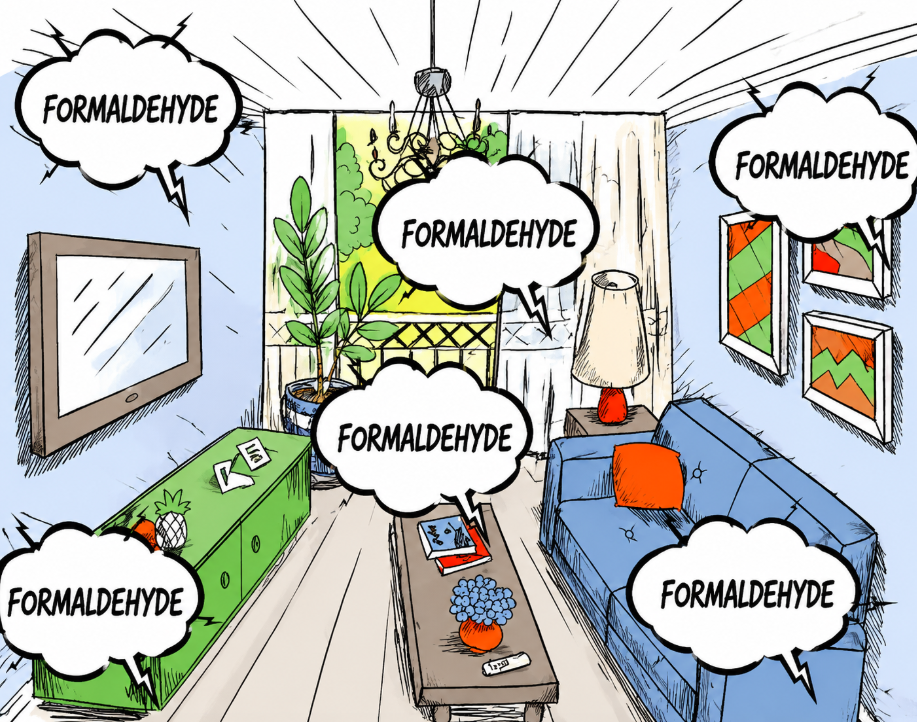
ਫਾਰਮੈਲਡੀਹਾਈਡ ਨੂੰ ਪੂਰੀ ਤਰ੍ਹਾਂ ਹਟਾਉਣਾ ਮੁਸ਼ਕਲ ਕਿਉਂ ਹੈ??
ਫਾਰਮੈਲਡੀਹਾਈਡ (ਐਚ.ਸੀ.ਐਚ.ਓ) ਮਜ਼ਬੂਤ ਫੈਲਣ ਦੀ ਸਮਰੱਥਾ ਵਾਲਾ ਇੱਕ ਬਹੁਤ ਹੀ ਅਸਥਿਰ ਜੈਵਿਕ ਮਿਸ਼ਰਣ ਹੈ. ਇਸਦੇ ਸਰੋਤਾਂ ਵਿੱਚ ਰਾਲ ਦਾ ਉਤਪਾਦਨ ਸ਼ਾਮਲ ਹੈ, ਪਰਤ ਕਾਰਜ, ਲੱਕੜ ਦੀ ਪ੍ਰੋਸੈਸਿੰਗ, ਛਪਾਈ, ਰਸਾਇਣਕ ਨਿਰਮਾਣ, ਅਤੇ ਕੁਝ ਕੀਟਾਣੂ-ਰਹਿਤ ਅਤੇ ਨਸਬੰਦੀ ਪ੍ਰਕਿਰਿਆਵਾਂ.
ਕਿਉਂਕਿ ਫਾਰਮਲਡੀਹਾਈਡ ਲਗਾਤਾਰ ਜਾਰੀ ਹੁੰਦਾ ਹੈ, ਸਮੱਸਿਆ ਨੂੰ ਪੂਰੀ ਤਰ੍ਹਾਂ ਹੱਲ ਕਰਨ ਲਈ ਸਧਾਰਨ ਹਵਾਦਾਰੀ ਅਕਸਰ ਨਾਕਾਫ਼ੀ ਹੁੰਦੀ ਹੈ. ਬੰਦ ਥਾਵਾਂ ਜਾਂ ਨਿਰੰਤਰ ਉਦਯੋਗਿਕ ਨਿਕਾਸ ਪ੍ਰਣਾਲੀਆਂ ਵਿੱਚ, ਫਾਰਮਲਡੀਹਾਈਡ ਦੀ ਗਾੜ੍ਹਾਪਣ ਲੰਬੇ ਸਮੇਂ ਲਈ ਉੱਚੀ ਰਹਿ ਸਕਦੀ ਹੈ. ਇਸਦੇ ਇਲਾਵਾ, ਫਾਰਮਲਡੀਹਾਈਡ ਦੇ ਅਣੂ ਛੋਟੇ ਹੁੰਦੇ ਹਨ ਅਤੇ ਕੁਝ ਫਿਲਟਰੇਸ਼ਨ ਸਮੱਗਰੀ ਨੂੰ ਆਸਾਨੀ ਨਾਲ ਪ੍ਰਵੇਸ਼ ਕਰ ਸਕਦੇ ਹਨ, ਰਵਾਇਤੀ ਭੌਤਿਕ ਫਿਲਟਰੇਸ਼ਨ ਤਕਨਾਲੋਜੀਆਂ ਦੀ ਪ੍ਰਭਾਵਸ਼ੀਲਤਾ ਨੂੰ ਸੀਮਿਤ ਕਰਨਾ.
ਇਸ ਲਈ, ਫਾਰਮੈਲਡੀਹਾਈਡ ਗਾੜ੍ਹਾਪਣ ਦੇ ਲੰਬੇ ਸਮੇਂ ਅਤੇ ਸਥਿਰ ਨਿਯੰਤਰਣ ਦੀ ਲੋੜ ਵਾਲੇ ਦ੍ਰਿਸ਼ਾਂ ਲਈ, ਫਾਰਮੈਲਡੀਹਾਈਡ ਨੂੰ ਸਿੱਧੇ ਤੌਰ 'ਤੇ ਕੰਪੋਜ਼ ਕਰਨ ਦੇ ਸਮਰੱਥ ਤਕਨੀਕਾਂ ਦੀ ਆਮ ਤੌਰ 'ਤੇ ਲੋੜ ਹੁੰਦੀ ਹੈ.
ਉਤਪ੍ਰੇਰਕ ਫਾਰਮੈਲਡੀਹਾਈਡ ਨੂੰ ਕਿਵੇਂ ਵਿਗਾੜਦੇ ਹਨ?
ਉਤਪ੍ਰੇਰਕ ਆਕਸੀਕਰਨ ਦਾ ਮੁੱਖ ਸਿਧਾਂਤ ਪ੍ਰਤੀਕ੍ਰਿਆ ਸਰਗਰਮੀ ਊਰਜਾ ਨੂੰ ਘੱਟ ਕਰਨ ਲਈ ਉਤਪ੍ਰੇਰਕ ਸਤਹ 'ਤੇ ਸਰਗਰਮ ਸਾਈਟਾਂ ਦੀ ਵਰਤੋਂ ਕਰਨਾ ਹੈ, ਫਾਰਮਲਡੀਹਾਈਡ ਨੂੰ ਮੁਕਾਬਲਤਨ ਘੱਟ ਤਾਪਮਾਨ 'ਤੇ ਆਕਸੀਜਨ ਨਾਲ ਪ੍ਰਤੀਕਿਰਿਆ ਕਰਨ ਦੀ ਇਜਾਜ਼ਤ ਦਿੰਦਾ ਹੈ.
ਸਰਲ ਪ੍ਰਤੀਕ੍ਰਿਆ ਨੂੰ ਇਸ ਤਰ੍ਹਾਂ ਦਰਸਾਇਆ ਜਾ ਸਕਦਾ ਹੈ:
ਐਚ.ਸੀ.ਐਚ.ਓ + O₂ → CO₂ + H₂O
ਕਾਪਰ-ਮੈਂਗਨੀਜ਼ ਕੰਪੋਜ਼ਿਟ ਆਕਸਾਈਡ ਉਤਪ੍ਰੇਰਕ ਦੀ ਸਤ੍ਹਾ 'ਤੇ, ਕਿਰਿਆਸ਼ੀਲ ਆਕਸੀਜਨ ਪ੍ਰਜਾਤੀਆਂ ਤਰਜੀਹੀ ਤੌਰ 'ਤੇ ਫਾਰਮਲਡੀਹਾਈਡ ਅਣੂਆਂ ਨੂੰ ਸੋਖਦੀਆਂ ਹਨ ਅਤੇ ਉਨ੍ਹਾਂ ਦੇ ਕਦਮ-ਦਰ-ਕਦਮ ਆਕਸੀਕਰਨ ਨੂੰ ਉਤਸ਼ਾਹਿਤ ਕਰਦੀਆਂ ਹਨ।. ਪ੍ਰਕਿਰਿਆ ਦੇ ਦੌਰਾਨ, ਉਤਪ੍ਰੇਰਕ ਖੁਦ ਖਪਤ ਨਹੀਂ ਹੁੰਦਾ ਪਰ ਪ੍ਰਤੀਕ੍ਰਿਆ ਚੱਕਰ ਵਿੱਚ ਲਗਾਤਾਰ ਹਿੱਸਾ ਲੈਂਦਾ ਹੈ.
ਉੱਚ-ਤਾਪਮਾਨ ਨੂੰ ਭੜਕਾਉਣ ਦੇ ਨਾਲ ਤੁਲਨਾ ਕੀਤੀ, ਉਤਪ੍ਰੇਰਕ ਆਕਸੀਕਰਨ ਲਈ ਘੱਟ ਓਪਰੇਟਿੰਗ ਤਾਪਮਾਨ ਦੀ ਲੋੜ ਹੁੰਦੀ ਹੈ ਅਤੇ ਘੱਟ ਊਰਜਾ ਦੀ ਖਪਤ ਹੁੰਦੀ ਹੈ. ਸੋਜ਼ਸ਼ ਤਕਨਾਲੋਜੀ ਦੇ ਨਾਲ ਤੁਲਨਾ, ਇਹ ਸੰਤ੍ਰਿਪਤਾ ਦੇ ਕਾਰਨ ਕੁਸ਼ਲਤਾ ਵਿੱਚ ਤਿੱਖੀ ਗਿਰਾਵਟ ਤੋਂ ਪੀੜਤ ਨਹੀਂ ਹੈ. ਇਸ ਲਈ, ਇਹ ਤਕਨਾਲੋਜੀ ਖਾਸ ਤੌਰ 'ਤੇ ਨਿਰੰਤਰ ਰਹਿੰਦ-ਖੂੰਹਦ ਗੈਸ ਸ਼ੁੱਧੀਕਰਨ ਪ੍ਰਣਾਲੀਆਂ ਲਈ ਢੁਕਵੀਂ ਹੈ.
ਆਮ ਫਾਰਮੈਲਡੀਹਾਈਡ ਇਲਾਜ ਤਕਨੀਕਾਂ ਦੀ ਤੁਲਨਾ
ਆਮ ਉਦਯੋਗਿਕ ਫਾਰਮਲਡੀਹਾਈਡ ਇਲਾਜ ਦੇ ਤਰੀਕਿਆਂ ਵਿੱਚ ਸੋਜ਼ਸ਼ ਸ਼ਾਮਲ ਹੈ, ਪਲਾਜ਼ਮਾ ਇਲਾਜ, ਰਸਾਇਣਕ ਰਗੜਨਾ, ਅਤੇ ਉਤਪ੍ਰੇਰਕ ਆਕਸੀਕਰਨ.
ਸੋਖਣ ਦੇ ਤਰੀਕੇ ਤੇਜ਼ੀ ਨਾਲ ਇਕਾਗਰਤਾ ਨੂੰ ਘਟਾ ਸਕਦੇ ਹਨ, ਪਰ ਇੱਕ ਵਾਰ ਸੋਜਕ ਸੰਤ੍ਰਿਪਤ ਹੋ ਜਾਂਦਾ ਹੈ, ਇਸ ਨੂੰ ਬਦਲਿਆ ਜਾਂ ਦੁਬਾਰਾ ਬਣਾਇਆ ਜਾਣਾ ਚਾਹੀਦਾ ਹੈ; ਨਹੀਂ ਤਾਂ, ਸੈਕੰਡਰੀ ਰਿਲੀਜ਼ ਹੋ ਸਕਦੀ ਹੈ.
ਪਲਾਜ਼ਮਾ ਤਕਨਾਲੋਜੀ ਵਿੱਚ ਤੇਜ਼ ਸ਼ੁਰੂਆਤੀ ਵਿਸ਼ੇਸ਼ਤਾਵਾਂ ਹਨ, ਪਰ ਇਹ ਕਾਰਵਾਈ ਦੌਰਾਨ ਓਜ਼ੋਨ ਵਰਗੇ ਉਪ-ਉਤਪਾਦ ਪੈਦਾ ਕਰ ਸਕਦਾ ਹੈ, ਵਾਧੂ ਡਾਊਨਸਟ੍ਰੀਮ ਇਲਾਜ ਦੀ ਲੋੜ ਹੈ.
ਰਸਾਇਣਕ ਸਕ੍ਰਬਿੰਗ ਕੁਝ ਉੱਚ-ਇਕਾਗਰਤਾ ਦੀਆਂ ਸਥਿਤੀਆਂ ਲਈ ਢੁਕਵੀਂ ਹੈ ਪਰ ਇਸ ਵਿੱਚ ਰਸਾਇਣਕ ਖਪਤ ਅਤੇ ਗੰਦੇ ਪਾਣੀ ਦੇ ਇਲਾਜ ਸੰਬੰਧੀ ਸਮੱਸਿਆਵਾਂ ਸ਼ਾਮਲ ਹਨ।.
ਟਾਕਰੇ ਵਿੱਚ, ਉਤਪ੍ਰੇਰਕ ਆਕਸੀਕਰਨ ਤਕਨਾਲੋਜੀ ਸਿੱਧੇ ਤੌਰ 'ਤੇ ਹਾਨੀਕਾਰਕ ਪਦਾਰਥਾਂ ਵਿੱਚ ਫਾਰਮਾਲਡੀਹਾਈਡ ਨੂੰ ਖਣਿਜ ਬਣਾਉਂਦੀ ਹੈ, ਘੱਟ ਉਪ-ਉਤਪਾਦ ਪੈਦਾ ਕਰਦਾ ਹੈ, ਅਤੇ ਚਲਾਉਣਾ ਅਤੇ ਸੰਭਾਲਣਾ ਆਸਾਨ ਹੈ. ਇਹ ਖਾਸ ਤੌਰ 'ਤੇ ਘੱਟ ਇਕਾਗਰਤਾ ਵਾਲੇ ਨਿਰੰਤਰ ਨਿਕਾਸੀ ਦ੍ਰਿਸ਼ਾਂ ਲਈ ਢੁਕਵਾਂ ਹੈ ਅਤੇ ਇਸਲਈ ਹਾਲ ਹੀ ਦੇ ਸਾਲਾਂ ਵਿੱਚ ਇਸਨੂੰ ਤੇਜ਼ੀ ਨਾਲ ਅਪਣਾਇਆ ਗਿਆ ਹੈ.
ਫਾਰਮੈਲਡੀਹਾਈਡ ਹਟਾਉਣ ਲਈ ਕਾਪਰ-ਮੈਂਗਨੀਜ਼ ਉਤਪ੍ਰੇਰਕ ਦੇ ਫਾਇਦੇ
ਕਾਪਰ-ਮੈਂਗਨੀਜ਼ ਮਿਸ਼ਰਿਤ ਆਕਸਾਈਡ ਉਤਪ੍ਰੇਰਕ ਪਰਿਵਰਤਨ ਧਾਤੂ ਆਕਸਾਈਡ ਪ੍ਰਣਾਲੀ ਨਾਲ ਸਬੰਧਤ ਹਨ, ਜਿੱਥੇ ਸਰਗਰਮ ਹਿੱਸੇ ਸਿਨਰਜਿਸਟਿਕ ਪ੍ਰਭਾਵਾਂ ਨੂੰ ਪ੍ਰਦਰਸ਼ਿਤ ਕਰਦੇ ਹਨ ਜੋ ਰੈਡੌਕਸ ਸਮਰੱਥਾ ਅਤੇ ਆਕਸੀਜਨ ਗਤੀਸ਼ੀਲਤਾ ਨੂੰ ਵਧਾਉਂਦੇ ਹਨ.
ਪਹਿਲਾਂ, ਉਹ ਚੰਗੀ ਘੱਟ-ਤਾਪਮਾਨ ਦੀ ਗਤੀਵਿਧੀ ਦਿਖਾਉਂਦੇ ਹਨ, ਮੁਕਾਬਲਤਨ ਘੱਟ ਓਪਰੇਟਿੰਗ ਤਾਪਮਾਨਾਂ 'ਤੇ ਫਾਰਮਲਡੀਹਾਈਡ ਆਕਸੀਕਰਨ ਨੂੰ ਸਮਰੱਥ ਬਣਾਉਣਾ.
ਦੂਜਾ, ਤਾਂਬਾ-ਮੈਂਗਨੀਜ਼ ਪ੍ਰਣਾਲੀ ਭਰਪੂਰ ਸਤਹ ਸਰਗਰਮ ਆਕਸੀਜਨ ਪ੍ਰਦਾਨ ਕਰਦੀ ਹੈ, formaldehyde ਪਰਿਵਰਤਨ ਕੁਸ਼ਲਤਾ ਵਿੱਚ ਸੁਧਾਰ.
ਇਸਦੇ ਇਲਾਵਾ, ਇਹ ਉਤਪ੍ਰੇਰਕ ਕੀਮਤੀ ਧਾਤਾਂ 'ਤੇ ਨਿਰਭਰ ਨਹੀਂ ਕਰਦੇ ਹਨ, ਨਤੀਜੇ ਵਜੋਂ ਕੱਚੇ ਮਾਲ ਦੀ ਲਾਗਤ ਘੱਟ ਹੁੰਦੀ ਹੈ ਅਤੇ ਵੱਡੇ ਪੈਮਾਨੇ ਦੇ ਉਦਯੋਗਿਕ ਕਾਰਜਾਂ ਲਈ ਬਿਹਤਰ ਅਨੁਕੂਲਤਾ ਹੁੰਦੀ ਹੈ.
ਆਕਸੀਜਨ-ਰੱਖਣ ਵਾਲੇ ਗੈਸ ਵਾਤਾਵਰਨ ਵਿੱਚ, ਤਾਂਬਾ-ਮੈਂਗਨੀਜ਼ ਉਤਪ੍ਰੇਰਕ ਇਲਾਜ ਦੀ ਕੁਸ਼ਲਤਾ ਅਤੇ ਸੰਚਾਲਨ ਲਾਗਤ ਨੂੰ ਸੰਤੁਲਿਤ ਕਰਦੇ ਹੋਏ ਲੰਬੇ ਸਮੇਂ ਦੇ ਸਥਿਰ ਸੰਚਾਲਨ ਨੂੰ ਪ੍ਰਾਪਤ ਕਰ ਸਕਦੇ ਹਨ.
ਪ੍ਰਭਾਵਸ਼ਾਲੀ ਫਾਰਮੈਲਡੀਹਾਈਡ ਹਟਾਉਣ ਲਈ ਇੱਕ ਉਤਪ੍ਰੇਰਕ ਪ੍ਰਣਾਲੀ ਨੂੰ ਕਿਵੇਂ ਡਿਜ਼ਾਈਨ ਕਰਨਾ ਹੈ?
ਉਤਪ੍ਰੇਰਕ ਪ੍ਰਦਰਸ਼ਨ ਮਹੱਤਵਪੂਰਨ ਹੈ, ਪਰ ਇਲਾਜ ਦੇ ਅਨੁਕੂਲ ਨਤੀਜਿਆਂ ਨੂੰ ਪ੍ਰਾਪਤ ਕਰਨ ਲਈ ਸਿਸਟਮ ਡਿਜ਼ਾਈਨ ਬਰਾਬਰ ਮਹੱਤਵਪੂਰਨ ਹੈ.
ਪਹਿਲਾਂ, ਸਪੇਸ ਵੇਗ ਅਤੇ ਨਿਵਾਸ ਸਮੇਂ ਨੂੰ ਸਹੀ ਢੰਗ ਨਾਲ ਨਿਯੰਤਰਿਤ ਕਰਕੇ ਕੂੜਾ ਗੈਸ ਅਤੇ ਉਤਪ੍ਰੇਰਕ ਵਿਚਕਾਰ ਕਾਫੀ ਸੰਪਰਕ ਯਕੀਨੀ ਬਣਾਇਆ ਜਾਣਾ ਚਾਹੀਦਾ ਹੈ. ਨਾਕਾਫ਼ੀ ਸੰਪਰਕ ਸਮਾਂ ਫਾਰਮਲਡੀਹਾਈਡ ਪਰਿਵਰਤਨ ਕੁਸ਼ਲਤਾ ਨੂੰ ਘਟਾ ਦੇਵੇਗਾ.
ਦੂਜਾ, ਚੈਨਲਿੰਗ ਵਹਾਅ ਜਾਂ ਬਹੁਤ ਜ਼ਿਆਦਾ ਸਥਾਨਕ ਵੇਗ ਤੋਂ ਬਚਣ ਲਈ ਇਕਸਾਰ ਗੈਸ ਵੰਡ ਦੀ ਲੋੜ ਹੁੰਦੀ ਹੈ.
ਤੀਜਾ, ਧੂੜ, ਤੇਲ ਦੀ ਧੁੰਦ, ਅਤੇ ਹੋਰ ਗੰਦਗੀ ਜੋ ਸਰਗਰਮ ਸਾਈਟਾਂ ਨੂੰ ਕਵਰ ਕਰ ਸਕਦੇ ਹਨ ਸੇਵਾ ਦੇ ਜੀਵਨ ਨੂੰ ਵਧਾਉਣ ਲਈ ਉਤਪ੍ਰੇਰਕ ਬੈੱਡ ਵਿੱਚ ਦਾਖਲ ਹੋਣ ਤੋਂ ਪਹਿਲਾਂ ਘੱਟ ਤੋਂ ਘੱਟ ਕੀਤਾ ਜਾਣਾ ਚਾਹੀਦਾ ਹੈ.
ਉੱਚ-ਨਮੀ ਜਾਂ ਗੁੰਝਲਦਾਰ ਗੈਸ ਰਚਨਾਵਾਂ ਲਈ, ਸਥਿਰ ਪ੍ਰਦਰਸ਼ਨ ਨੂੰ ਯਕੀਨੀ ਬਣਾਉਣ ਲਈ ਉਤਪ੍ਰੇਰਕ ਚੋਣ ਅਤੇ ਪ੍ਰੀਟ੍ਰੀਟਮੈਂਟ ਰਣਨੀਤੀਆਂ ਦਾ ਮੁਲਾਂਕਣ ਖਾਸ ਓਪਰੇਟਿੰਗ ਹਾਲਤਾਂ ਦੇ ਅਧਾਰ ਤੇ ਕੀਤਾ ਜਾਣਾ ਚਾਹੀਦਾ ਹੈ.
ਸਿੱਟਾ
ਤਕਨੀਕੀ ਦ੍ਰਿਸ਼ਟੀਕੋਣ ਤੋਂ, ਉਤਪ੍ਰੇਰਕ ਨਾ ਸਿਰਫ ਫਾਰਮਾਲਡੀਹਾਈਡ ਨੂੰ ਹਟਾ ਸਕਦੇ ਹਨ ਬਲਕਿ ਇਸਨੂੰ ਪੂਰੀ ਤਰ੍ਹਾਂ ਕਾਰਬਨ ਡਾਈਆਕਸਾਈਡ ਅਤੇ ਪਾਣੀ ਵਿੱਚ ਆਕਸੀਕਰਨ ਵੀ ਕਰ ਸਕਦੇ ਹਨ।. ਸਧਾਰਨ ਸੋਸ਼ਣ ਜਾਂ ਭੌਤਿਕ ਕੈਪਚਰ ਤਰੀਕਿਆਂ ਨਾਲ ਤੁਲਨਾ ਕੀਤੀ ਗਈ, ਉਤਪ੍ਰੇਰਕ ਆਕਸੀਕਰਨ ਪ੍ਰਦੂਸ਼ਕਾਂ ਦੇ ਸਹੀ ਖਾਤਮੇ ਨੂੰ ਪ੍ਰਾਪਤ ਕਰਦਾ ਹੈ. ਉਦਯੋਗਿਕ ਰਹਿੰਦ-ਖੂੰਹਦ ਗੈਸ ਦੇ ਇਲਾਜ ਅਤੇ ਨਿਰੰਤਰ ਨਿਕਾਸੀ ਦ੍ਰਿਸ਼ਾਂ ਲਈ, ਕਾਪਰ-ਮੈਂਗਨੀਜ਼ ਮਿਸ਼ਰਤ ਆਕਸਾਈਡ ਉਤਪ੍ਰੇਰਕ ਆਪਣੀ ਸ਼ਾਨਦਾਰ ਘੱਟ-ਤਾਪਮਾਨ ਗਤੀਵਿਧੀ ਦੇ ਕਾਰਨ ਇੱਕ ਮਹੱਤਵਪੂਰਨ ਤਕਨੀਕੀ ਰਸਤਾ ਬਣ ਗਏ ਹਨ, ਸਥਿਰਤਾ, ਅਤੇ ਲਾਗਤ-ਪ੍ਰਭਾਵਸ਼ਾਲੀ. ਸਹੀ ਉਤਪ੍ਰੇਰਕ ਦੀ ਚੋਣ ਅਤੇ ਸਿਸਟਮ ਅਨੁਕੂਲਤਾ ਕੁਸ਼ਲ ਅਤੇ ਲੰਬੇ ਸਮੇਂ ਦੇ ਸਥਿਰ ਫਾਰਮਲਡੀਹਾਈਡ ਹਟਾਉਣ ਦੀ ਕੁੰਜੀ ਹੈ।.
ਲੇਖਕ:ਕਾਕਾ
ਮਿਤੀ:2026/6/29
WeChat
WeChat ਨਾਲ QR ਕੋਡ ਨੂੰ ਸਕੈਨ ਕਰੋ