 Katalysatorer i Minslite-serien for fjerning av ozon/CO/VOC
På grunn av deres utmerkede redoksegenskaper, katalytisk aktivitet ved lav temperatur, og stabile oksygenmigrasjonsegenskaper, Mangandioksidkatalysatorer er mye brukt i felt som ozonnedbrytning, VOC-reduksjon, karbonmonoksidoksidasjon, og luftrensing. Denne artikkelen analyserer systematisk - fra perspektivene til katalytiske mekanismer, strukturelle egenskaper, industriell tilpasningsevne, og bruksscenarier – hvorfor mangandioksidkatalysatorer har dukket opp som kritiske materialer i industriell avgassbehandling, og undersøker deres praktiske fordeler og bruksverdi under komplekse driftsforhold.
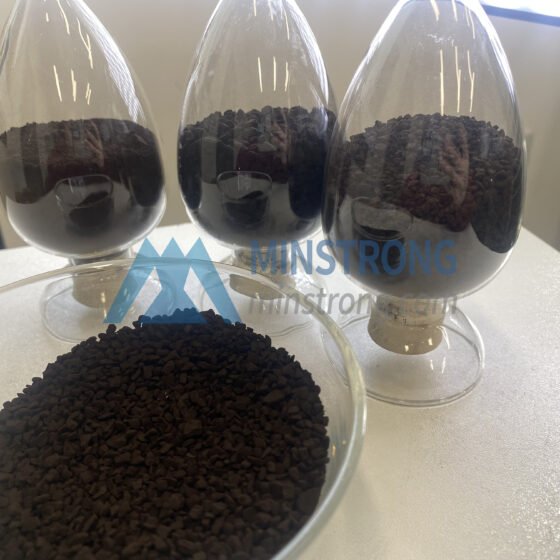
Hvorfor utmerker mangandioksidkatalysatorer seg i industriell avfallsgassbehandling?
I riket av industriell avgassbehandling, den primære grunnen til at mangandioksidkatalysatorer har blitt bredt tatt i bruk på lang sikt er deres besittelse av robuste redokssyklingsevner, utmerket katalytisk aktivitet ved lav temperatur, og høy effektivitet i å utnytte overflateaktivt oksygen. Sammenlignet med visse katalytiske materialer som krever høye driftstemperaturer, mangandioksid kan lette nedbrytningen av ozon, VOC-oksidasjon, og karbonmonoksidomdannelse ved relativt lavere temperaturer, reduserer dermed systemets energiforbruk og forbedrer prosessens tilpasningsevne.
Videre, Mangandioksid finnes i forskjellige krystallinske strukturer; forskjellige polymorfer kan spesifikt optimaliseres for forskjellige avgassmiljøer, gjør dem svært verdifulle for bruk i bransjer som luftrensing, kjemisk avgassbehandling, utskrift av gassbehandling, og elektronikkproduksjon.
Hvorfor viser mangandioksid så sterk katalytisk aktivitet??
Mangandioksid er et typisk overgangsmetalloksid; dens mangankomponent har evnen til å gjennomgå variable valensendringer, syklus mellom oksidasjonstilstander slik som Mn4+ og Mn3+. Denne redoks-syklusen tjener som det grunnleggende grunnlaget for den kontinuerlige progresjonen av katalytiske reaksjoner.
Under den katalytiske prosessen, det aktive oksygenet på overflaten av mangandioksidkatalysatoren kan raskt delta i oksidasjonsreaksjonene som involverer forurensninger. For eksempel, under ozonnedbrytningsprosessen, ozonmolekyler adsorberes først på katalysatoroverflaten og brytes deretter ned for å generere oksygen; omvendt, under VOC-oksidasjonsprosessen, overflateaktive oksygenarter letter trinnvis oksidasjon av organiske forurensninger til karbondioksid og vann.
På grunn av sin høye oksygenmigreringseffektivitet, Mangandioksid opprettholder typisk utmerket katalytisk effektivitet selv ved relativt lave temperaturer. Dette er en primær grunn til at den har fått betydelig oppmerksomhet innen lavtemperatur industriell avgassbehandling.
Hvordan forbedrer polymorfe strukturer katalytisk ytelse?
Mangandioksid er ikke et materiale med en ensartet struktur; ganske, den omfatter forskjellige krystallpolymorfer – inkludert α-, b-, c-, og δ-former. Disse distinkte polymorfene viser betydelige forskjeller i porestrukturene, spesifikke overflateområder, og konsentrasjoner av ledige oksygenplasser.
For eksempel, visse tunnellignende strukturer letter gassdiffusjonen mer effektivt, mens lagdelte strukturer gir et større overflatekontaktareal. I sammenheng med ozonnedbrytning, strukturer rike på ledige oksygenplasser øker typisk ozonadsorpsjonskapasiteten; omvendt, for VOC-oksidasjon, det primære fokuset ligger på effektiviteten som overflateaktivt oksygen frigjøres med.
Følgelig, i industrielle applikasjoner, katalysatorytelse avhenger ikke bare av “om mangandioksid brukes,” men – mer kritisk – på dens spesifikke krystallpolymorfe design, metode for støttelasting, og fabrikasjonsprosess. Fornuftig konstruksjonsteknikk kan øke både katalytisk effektivitet og lang levetid betydelig.
Hvorfor er mangandioksid godt egnet for industriell avgassbehandling?
Industrielle avgassstrømmer er typisk preget av svært svingende forurensningskonsentrasjoner, komplekse fuktighetsprofiler, og tilstedeværelsen av mange urenheter. Derfor, en katalysator som brukes i denne sammenhengen må ha ikke bare iboende katalytisk aktivitet, men også robust tilpasningsevne til disse utfordrende miljøforholdene.
Fordelene med mangandioksid er først og fremst manifestert i følgende aspekter:
1. Sterk operativ kapasitet ved lav temperatur
Mange industrielle gassstrømmer når ikke høye temperaturer, mens tradisjonelle katalytiske høytemperatursystemer ofte krever tilleggsoppvarming. Mangandioksid er i stand til å sette i gang katalytiske reaksjoner ved lavere temperaturer, og dermed bidra til en reduksjon i operativt energiforbruk.
2. Høy effektivitet i ozonnedbrytning
I bransjer som prosessering av koronautslipp, UV-herding, laserbehandling, og avløpsvannbehandling, ozon dannes ofte som et biprodukt. Gitt sin høye katalytiske effektivitet ved nedbrytning av ozon, Mangandioksid har dukket opp som et sentralt materiale i ozonreduksjonsapplikasjoner.
3. Tilpasningsevne til et bredt spekter av forurensninger
Utover ozon, Mangandioksid kan også brukes til oksidasjon av karbonmonoksid, nedbrytning av ulike VOC, og innenfor generelle luftrensesystemer, og demonstrerer dermed bred kompatibilitet på tvers av ulike industrielle prosesser.
Hvilke faktorer påvirker ytelsen til mangandioksidkatalysatorer?
Selv om mangandioksid har utmerkede katalytiske egenskaper, den faktiske ytelsen forblir utsatt for en rekke operasjonelle faktorer.
Den primære faktoren er fuktighet. For høy luftfuktighet kan maskere aktive steder, for derved å redusere effektiviteten av kontakten mellom gasstrømmen og katalysatoren. Den andre faktoren involverer støv og oljetåke; disse forurensningene kan tette porekanaler og føre til deaktivering av katalysator. Videre, visst svovel- eller fosforholdige forbindelser kan også forgifte de aktive sentrene.
Følgelig, i design av industrielle systemer, det er vanligvis nødvendig å integrere forfiltrering, optimalisert luftstrømfordeling, og passende kontroll av romhastigheten for å utnytte katalysatorens ytelse fullt ut.
Fremtidig utviklingsveiledning for mangandioksidkatalysatorer
Ettersom regulatoriske krav til industriell avfallsgassbehandling fortsetter å øke, Utviklingsfokuset for mangandioksidkatalysatorer skifter gradvis mot økt stabilitet, overlegen fuktmotstand, og oppretting av komposittmaterialer.
Aktuelle forskningstrender inkluderer:
Forbedrer vedvarende katalytisk aktivitet under lave temperaturforhold;
Forbedrer stabiliteten i miljøer med høy luftfuktighet;
Optimalisering av porestruktur og spesifikt overflateareal;
Utvikling av kompositt-manganbaserte katalytiske systemer;
Forlenger langsiktig driftslevetid og forbedrer motstanden mot katalysatorforgiftning.
Ser fremover, ettersom feltet for industriell avfallsgassbehandling utvikler seg mot større energieffektivitet og presisjon, mangandioksid vil utvilsomt forbli et av de grunnleggende materialene av kritisk betydning i riket av lavtemperatur-oksidasjonskatalyse.
FORFATTER:KAKA
DATO:2026/5/14
WeChat
Skann QR-koden med WeChat