 Katalysatorer i Minslite-serien for fjerning av ozon/CO/VOC
Gjennombruddsretningene for kobberoksidkatalysatorer i industriell avgassreduksjon fokuserer først og fremst på fire nivåer: forbedre lavtemperatur katalytisk aktivitet, forbedre motstanden mot forgiftning og fuktighet, optimalisere strukturell stabilitet, og oppnå skreddersydde design for praktiske ingeniørapplikasjoner. Bare gjennom synergistisk optimalisering av materialmodifikasjon og prosessteknikk kan effektiv, stabil, og bærekraftig behandling av avfallsgass oppnås under komplekse driftsforhold.
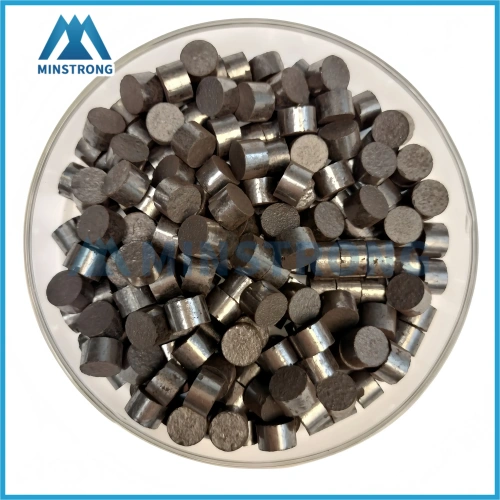
KOBBEROKSID
jeg. Katalytisk aktivitet ved lav temperatur forblir en kjerneteknisk flaskehals
I industriell avgassbehandling – spesielt i scenarier som involverer reduksjon av VOC og CO – dikterer reaksjonstemperaturen direkte systemets energiforbruk og sikkerhet. Tradisjonelle kobberoksidkatalysatorer krever vanligvis forhøyede temperaturer (200–300°C) for å oppnå ønskelige konverteringsrater, og begrenser derved deres anvendelighet i lavtemperatur avgassmiljøer.
Nåværende gjennombruddsarbeid er først og fremst fokusert på:
Forbedring av oksygenmigrasjonsevner gjennom introduksjon av ko-katalytiske komponenter (som overgangsmetaller eller oksidbærere);
Konstruere svært spredte nanostrukturer for å forbedre utnyttelseseffektiviteten til aktive nettsteder;
Optimalisering av krystallfasetteksponering for å øke overflatereaksjonskinetikken.
Essensen av disse strategiene ligger i å forbedre effektiviteten til redokssyklusen, for derved å gi katalysatoren tilstrekkelig aktivitet ved lavere temperaturer.
II. Forgiftningsmotstand bestemmer langsiktig operasjonell evne
Industrielle avgasser inneholder ofte sulfider, klorider, og tungmetallpartikler - stoffer som lett induserer deaktivering av kobberoksidkatalysatorer. For eksempel, svovelholdige arter kan reagere med aktive steder for å danne stabile sulfater, og blokkerer dermed de katalytiske reaksjonsveiene.
Tar tak i denne utfordringen, teknologiske gjennombrudd manifesteres først og fremst i:
Reduserer adsorpsjonsstyrken til giftstoffer gjennom overflatebelegg eller strukturell modulering;
Introduserer svovelbestandige og klorbestandige komponenter for å etablere synergistiske beskyttelsesmekanismer;
Optimalisering av porestrukturer for å minimere oppbevaring av forurensninger på aktive steder.
Forbedring av forgiftningsmotstanden forlenger ikke bare katalysatorens levetid, men reduserer også systemvedlikeholdskostnadene betydelig..
III. Stabilitetsutfordringer under høy luftfuktighet og komplekse atmosfærer
I faktiske industrielle driftsmiljøer, avgasser er ofte ledsaget av høye nivåer av fuktighet. Vannmolekyler kan konkurrere med reaktanter om adsorpsjon på aktive steder, og dermed hemme reaksjonsprosessen og potensielt til og med utløse strukturelle endringer i katalysatoren. For å løse dette problemet, optimeringsarbeid fokuserer på følgende retninger:
Forbedrer materialets hydrofobitet for å minimere dekningen av aktive steder av fuktighet;
Utforming av stabile støttestrukturer for å forhindre sintring eller faseoverganger under forhold med høy temperatur og høy luftfuktighet;
Konstruere hierarkiske porøse strukturer for å forbedre gassdiffusjonseffektiviteten.
Gjennom disse tiltakene, Katalysatorens tilpasningsevne innenfor komplekse driftsmiljøer kan forbedres betydelig.
IV. Optimalisering av tilpasningen av strukturell design med ingeniørapplikasjoner
Katalysatorer som viser utmerket ytelse i laboratoriemiljøer møter ofte oppskaleringsutfordringer i faktiske ingeniørapplikasjoner. Problemer som trykkfall, varmeoverføring, og gass-fast kontakteffektivitet kan alle kompromittere den ultimate behandlingseffektiviteten.
Viktige retninger for ingeniørmessige gjennombrudd inkluderer:
Optimalisering av partikkelstørrelse og morfologi (f.eks., honningkake, sfærisk, eller uregelmessige partikler) å finne en balanse mellom spesifikt overflateareal og væskestrømmotstand;
Forbedre pakkemetoder for å forhindre kanalisering eller lokal overoppheting;
Integrerende reaktordesign for å sikre en jevn fordeling av temperatur og strømningsfelt.
Optimalisering på dette nivået avgjør om en katalysator kan utvikle seg fra å være bare “brukbar” å være virkelig “effektive” i praksis.
V. Teknologisk evolusjon: Fra enkeltmaterialer til komposittsystemer
Enkomponent kobberoksidsystemer står overfor iboende begrensninger når det gjelder ytelse; følgelig, den nåværende utviklingstrenden innebærer å konstruere flerkomponent kompositt katalytiske systemer. For eksempel, ved å etablere synergistiske interaksjoner med andre metalloksider, det er mulig å oppnå:
Høyere redoks-sykluseffektivitet;
Forbedret motstand mot katalysatorforgiftning;
Et bredere anvendelig temperaturvindu.
Denne strategien for å lage sammensatte systemer fremstår som en avgjørende vei for å heve den totale katalytiske ytelsen.
Totalt sett, utviklingen av kobberoksidkatalysatorer for industriell avfallsgassbehandling skifter fra fokus på “grunnleggende brukervennlighet” mot å oppnå “høy tilpasningsevne under komplekse driftsforhold.” Fremtidige teknologiske prioriteringer ligger ikke bare i å forbedre de iboende egenskapene til selve materialene, men – enda viktigere – i synergistisk optimalisering av materialer, strukturell design, og prosessteknikk. For praktisk bruk, bare ved nøyaktig å justere katalysatorytelsen med de spesifikke driftsforholdene kan det langsiktige, stabil, og økonomisk effektive mål for behandling av avfallsgass bli realisert.
WeChat
Skann QR-koden med WeChat