 ओजोन/CO/VOCs हटाउनका लागि Minslite श्रृंखला उत्प्रेरकहरू
ग्लोभबक्स प्रणालीहरूमा, स्थिरता प्राप्त गर्ने कुञ्जी, अति कम अक्सिजन वातावरण (पीपीएम वा पीपीबी स्तरहरूमा) कुशलतामा छ, पुनर्जीवित अक्सिजन हटाउने प्रविधि. कपर अक्साइड उत्प्रेरकहरू - जसले रेडक्स प्रतिक्रिया संयन्त्रमा आधारित काम गर्दछ - हल्का परिस्थितिहरूमा अक्सिजनलाई स्थिर उत्पादनहरूमा रूपान्तरण गर्न सक्षम छन्।. उत्कृष्ट पुन: प्रयोग योग्यता र प्रणाली अनुकूलता भएको, तिनीहरूले हाल ग्लोभबक्स ग्यास शुद्धीकरण प्रणाली भित्र अक्सिजन हटाउनको लागि परिपक्व र भरपर्दो समाधान प्रतिनिधित्व गर्दछ।.
म. किन Gloveboxes मा अक्सिजन हटाउन आवश्यक छ?
ग्लोभबक्सहरू परिचालन वातावरणहरूमा व्यापक रूपमा प्रयोग गरिन्छ जहाँ अक्सिजनको लागि संवेदनशीलता महत्त्वपूर्ण हुन्छ - जस्तै लिथियम-आयन ब्याट्री सामग्रीको तयारीमा।, अर्धचालक यन्त्रहरू, र राम्रो रसायन. यी सन्दर्भहरूमा, अक्सिजनको उपस्थिति - भाग-प्रति-मिलियनमा पनि (पीपीएम) स्तरहरू - साइड प्रतिक्रियाहरू ट्रिगर गर्न वा भौतिक गिरावट निम्त्याउन सक्छ.
अक्सिजन प्रदूषणको प्राथमिक स्रोतहरू समावेश छन्: प्रारम्भिक ग्यास शुद्धीकरण पछि बाँकी अक्सिजन, सिल गरिएको प्रणाली भित्र मिनेट लीक, र बाह्य ग्यासहरू परिचालन प्रक्रियाको समयमा परिचय. फलस्वरूप, अक्रिय ग्यास विस्थापनमा मात्र भर पर्नु स्थिर कायम राख्न अपर्याप्त छ, लामो अवधिमा कम अक्सिजन वातावरण; बरु, एक समर्पित अक्सिजन हटाउने इकाई निरन्तर शुद्धीकरणको लागि अपरिहार्य छ.
II. अक्सिजन हटाउन असफल हुने सम्भावित जोखिम र परिणामहरू
यदि ग्लोभबक्स भित्र अक्सिजनको स्तर ठीकसँग नियन्त्रण गरिएको छैन, निम्न समस्याहरू उत्पन्न हुन सक्छ:
सामाग्री ओक्सीकरण र विफलता: धातु पाउडर र लिथियम एनोड सामग्रीहरू अक्सिजन द्वारा अक्सीकरणको लागि अत्यधिक संवेदनशील हुन्छन्।, सम्झौता प्रदर्शन को परिणामस्वरूप.
प्रतिक्रिया विचलन: अक्सिजनले अनावश्यक साइड प्रतिक्रियाहरूमा भाग लिन सक्छ, अस्थिर वा अविश्वसनीय प्रयोगात्मक डेटा को नेतृत्व.
उपकरण प्रदूषण: अक्सिडेशन उप-उत्पादनहरूको निक्षेपले ग्यास परिसंचरण र शुद्धिकरण प्रणालीको दक्षतालाई बिगार्न सक्छ।.
सुरक्षा खतराहरू: अक्सिजनसँग केही प्रक्रिया ग्यासहरू मिसाउँदा खतरनाक प्रतिक्रिया वा विस्फोटको जोखिम उत्पन्न गर्ने अवस्थाहरू सिर्जना गर्न सक्छ।.
त्यसैले, अक्सिजन हटाउने गुणस्तर नियन्त्रणको कुरा मात्र होइन; यो सुरक्षा व्यवस्थापन र लागत नियन्त्रण दुवै को एक महत्वपूर्ण घटक हो.
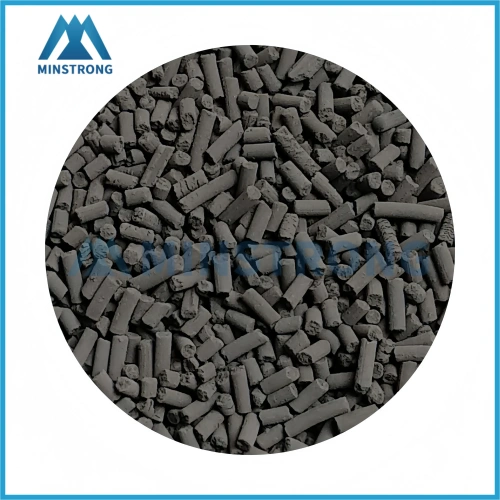
CUO उत्प्रेरक
III. कपर अक्साइड उत्प्रेरकहरू प्रयोग गरेर अक्सिजन हटाउने संयन्त्र
तांबे अक्साइड उत्प्रेरकहरूको मुख्य कार्य रेडक्स प्रतिक्रियाहरूमा भविष्यवाणी गरिएको छ. सामान्य प्रक्रिया निम्नानुसार प्रकट हुन्छ:
घटाउने ग्यासको उपस्थितिमा (जस्तै हाइड्रोजन), तामा अक्साइड (CuO) अक्सिजनसँग प्रतिक्रिया गरेर पानी बनाउँछ (H₂O).
साथसाथै, CuO धातुको तामामा घटाइन्छ (कु).
पुनर्जन्म चरण को समयमा, अक्सिजन धातु तामालाई पुन: अक्सिडाइज गर्न पेश गरिएको छ (कु) कपर अक्साइड मा फर्किनुस् (CuO), यसरी उत्प्रेरकको चक्रीय पुन: प्रयोगलाई सक्षम पार्दै.
यो प्रक्रिया उच्च प्रतिक्रिया चयनशीलता र एकल प्राथमिक उपउत्पादन को उत्पादन द्वारा विशेषता हो (पानी), वायुमण्डलीय शुद्धताको असाधारण उच्च स्तरको आवश्यकता पर्ने प्रणालीहरूको लागि यसलाई आदर्श रूपमा उपयुक्त बनाउने. IV. ग्लोभबक्स अनुप्रयोगहरूमा कपर अक्साइड उत्प्रेरकहरूको फाइदाहरू
अन्य deoxygenation प्रविधिहरूको तुलनामा, कपर अक्साइड उत्प्रेरकहरूले निम्न महत्त्वपूर्ण फाइदाहरू प्रदान गर्छन्:
1. उच्च Deoxygenation दक्षता
उपयुक्त परिस्थितिहरूमा, अक्सिजनको स्तर पीपीएम वा पीपीबी दायरामा पनि घटाउन सकिन्छ, उच्च-अन्त अनुप्रयोगहरूको आवश्यकताहरू पूरा गर्दै.
2. हल्का सञ्चालन सर्तहरू
कुशल प्रतिक्रियाहरू सामान्यतया अपेक्षाकृत कम तापमान दायरा भित्र प्राप्त गर्न सकिन्छ, यसरी प्रणाली ऊर्जा खपत कम.
3. बलियो पुनर्जन्म
उत्प्रेरक गतिविधि एक साधारण अक्सीकरण प्रक्रिया मार्फत पुनर्स्थापित गर्न सकिन्छ, सेवा जीवन विस्तार र सञ्चालन लागत कम.
4. उत्कृष्ट प्रणाली अनुकूलता
विभिन्न अक्रिय ग्यास प्रणालीहरूको लागि उपयुक्त - जस्तै नाइट्रोजन र आर्गन - जटिल साइड प्रतिक्रियाहरू परिचय नगरी.
वि. ईन्जिनियरिङ् अनुप्रयोगहरूको लागि प्रमुख डिजाइन विचारहरू
व्यावहारिक अनुप्रयोगहरूमा, एक्लै उत्प्रेरक को प्रदर्शन अपर्याप्त छ; यो समग्र प्रणाली डिजाइन संग संयोजन मा अनुकूलित हुनुपर्छ:
1. ग्यास पूर्व उपचार
आर्द्रता र जैविक प्रदूषकहरूले उत्प्रेरक गतिविधिलाई असर गर्न सक्छ; त्यसैले, सुख्खा र निस्पंदन एकाइहरू अपस्ट्रीम स्थापना गर्नुपर्छ.
2. तापक्रम नियन्त्रण
उपयुक्त अपरेटिङ तापक्रम कायम राख्नाले प्रतिक्रिया दरहरू तीव्र पार्न मद्दत गर्छ र उत्प्रेरक निष्क्रियतालाई रोक्छ।.
3. ग्यास-ठोस सम्पर्क दक्षता
उचित प्याकिङ विधिहरू र वायुप्रवाह वितरण डिजाइनहरूले अक्सिजन क्षमतालाई उल्लेखनीय रूपमा बढाउन सक्छ।.
4. पुनर्जन्म रणनीति डिजाइन
दीर्घकालीन सुनिश्चित गर्न प्रयोग आवृत्तिको आधारमा आवधिक पुनर्जन्म तालिका स्थापना गरिनुपर्छ, प्रणाली को स्थिर सञ्चालन.
VI. लागू परिदृश्य र प्राविधिक सीमाहरू
कपर अक्साइड उत्प्रेरकहरू अधिकांश ग्लोभबक्स डिअक्सिजन आवश्यकताहरूको लागि उपयुक्त छन्; यद्यपि, निम्न परिस्थितिहरूमा विशेष मूल्याङ्कन आवश्यक छ:
ग्यासहरू घटाउने अभावमा डिअक्सिजन क्षमता सीमित छ.
उच्च आर्द्रता वातावरणले प्रतिक्रिया मार्गहरू परिवर्तन गर्न सक्छ.
प्रतिक्रिया दरहरू अत्यन्त कम-तापमान अवस्थाहरूमा घट्छन्.
त्यसैले, प्रणाली-स्तर मिल्दोजुल्दो र डिजाइन विशेष अपरेटिङ अवस्था अनुरूप हुनुपर्छ, उत्प्रेरकको अन्तर्निहित प्रदर्शनमा मात्र भर पर्नुको सट्टा.
ग्लोभबक्सहरू भित्र अक्सिजन नियन्त्रण प्रयोगात्मक र उत्पादन प्रक्रियाहरूको स्थिरता सुनिश्चित गर्न एक महत्वपूर्ण कारक हो।. तिनीहरूको राम्रोसँग स्थापित प्रतिक्रिया संयन्त्रको लागि धन्यवाद, उच्च deoxygenation दक्षता, र उत्कृष्ट पुनरुत्थान, तामा अक्साइड उत्प्रेरकहरू हाल उपलब्ध प्रमुख प्राविधिक समाधानहरू मध्ये एकको रूपमा देखा परेका छन्. ध्वनि प्रणाली डिजाइन र परिचालन व्यवस्थापन मार्फत, एक दीर्घकालीन, स्थिर, कम अक्सिजन वातावरण प्राप्त गर्न सकिन्छ, माग गर्ने अनुप्रयोगहरूको लागि भरपर्दो आधार प्रदान गर्दै.
लेखक:काका
DATE:2026/5/7
WeChat
WeChat मार्फत QR कोड स्क्यान गर्नुहोस्