 Ozone/CO/VOCs ဖယ်ရှားခြင်းအတွက် Minslite စီးရီးဓာတ်ကူပစ္စည်း
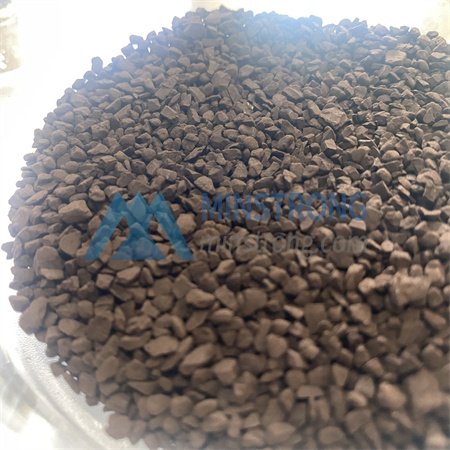
အိုဇုန်းယိုစိမ့်မှု ဓါတ်ကူပစ္စည်းပုံစံသည် အဘယ်ကြောင့် အရေးကြီးသနည်း။?
အိုဇုန်းယိုယွင်းပျက်စီးစေသည့် ဓာတ်ကူပစ္စည်း၏ အဓိကလုပ်ဆောင်ချက်မှာ အိုဇုန်းပြောင်းလဲခြင်းကို အရှိန်မြှင့်ရန်ဖြစ်သည်။ (အို3) အောက်ဆီဂျင်သို့ (အို2), ထို့ကြောင့် သန့်စင်ထားသော ဓာတ်ငွေ့ချောင်းများတွင် ကျန်ရှိသော အိုဇုန်းများကို လျှော့ချပေးသည်။. လက်တွေ့အသုံးချပါ။, သို့သော်လည်း, ဓာတ်ကူပစ္စည်းပုံစံသည် ဓာတ်ပြုလှုပ်ရှားမှုထက် များစွာအကျိုးသက်ရောက်သည်။. ၎င်းသည် ဓာတ်ငွေ့-အစိုင်အခဲ အဆက်အသွယ်ကိုလည်း လွှမ်းမိုးသည်။, ဖိအားကျဆင်း, ဓာတ်ကူပစ္စည်း အသုံးချမှု, ဓာတ်ပေါင်းဖိုဖွဲ့စည်းမှု, နှင့်ပြုပြင်ထိန်းသိမ်းမှုလိုအပ်ချက်များ.
ထို့ကြောင့်, အိုဇုန်းလွှာပြိုကွဲစေမည့် ဓာတ်ကူပစ္စည်းကို ရွေးချယ်ခြင်းသည် ၎င်း၏ ဓာတ်ပြုလုပ်ဆောင်ချက်အပေါ် အခြေခံ၍ မဖြစ်သင့်ပါ။. ဓာတ်ကူပစ္စည်းပုံစံသည် ဓာတ်ပေါင်းဖိုနှင့် အမှန်တကယ်လည်ပတ်မှုအခြေအနေများနှင့်လည်း ကိုက်ညီရပါမည်။.
Ozone decomposition catalysts များတွင် အများအားဖြင့် ရရှိနိုင်သည်။ အသေးစိပ်, ပုဆိုး, အမှုန့်ပုံစံများ. ဤပုံစံများထဲမှ တစ်ခုမှ သာလွန်ကောင်းမွန်ခြင်း မရှိပါ။. သင့်လျော်သောရွေးချယ်မှုသည် တိကျသောဓာတ်ငွေ့ကုသမှုလုပ်ငန်းစဉ်နှင့် စက်ကိရိယာဒီဇိုင်းအပေါ်မူတည်ပါသည်။.
Granular Ozone Decomposition Catalysts များ: ပုံသေအိပ်ရာစနစ်များအတွက် ဘုံရွေးချယ်မှုတစ်ခု
Granular ဓာတ်ကူပစ္စည်းများကို တင်ဆောင်ရန် အဆင်ပြေပြီး ပုံသေ-ကုတင် ဓာတ်ပေါင်းဖိုများထဲသို့ တိုက်ရိုက် ထုပ်ပိုးနိုင်သည်။, cylindrical တန်ဆာများ, ကျည်တောင့်များ, နှင့် အခြားသော ဓာတ်ငွေ့သန့်စင်စက်များ.
စက်မှုဓာတ်ငွေ့ကုသမှုအတွက်, အမှုန်အရွယ်အစားသည် အရေးကြီးသော ကန့်သတ်ဘောင်နှစ်ခုကို သက်ရောက်မှုရှိသည်။: gas-solid contact efficiency နှင့် bed pressure ကျဆင်းခြင်း။. အမှုန်များလွန်းလျှင်, တစ်ယူနစ် ထုထည်အလိုက် ရရှိနိုင်သော ပြင်ပမျက်နှာပြင်ဧရိယာသည် လျော့နည်းသွားနိုင်သည်။, ထိတွေ့ဆက်ဆံမှု ထိရောက်မှုကို လျှော့ချနိုင်သည်. အမှုန်များလွန်းလျှင်, ဓာတ်ကူပစ္စည်းကုတင်တစ်လျှောက် ဖိအားကျဆင်းမှု တိုးလာနိုင်သည်။, ဖုန်မှုန့်ထုတ်လုပ်ခြင်းနှင့် အမှုန်အမွှားသယ်ဆောင်ခြင်းအန္တရာယ်များသည်လည်း ပိုမိုသိသာထင်ရှားလာပါသည်။.
ဒီအတွက်ကြောင့်, ပုံသေ-ခုတင်အိုဇုန်းပြိုကွဲမှုစနစ်ရှိ အမှုန်အမွှားအရွယ်အစားကို ယေဘုယျအားဖြင့် ဓာတ်ငွေ့စီးဆင်းမှုနှုန်းအရ ရွေးချယ်သင့်သည်။, ဓာတ်ကူပစ္စည်းအိပ်ရာအမြင့်, ဓာတ်ပေါင်းဖို ဖြတ်ပိုင်းဧရိယာ, နှင့် ခွင့်ပြုထားသော ဖိအားကျဆင်းမှု.
Granular ဓာတ်ကူပစ္စည်းများအတွက် အထူးသင့်လျော်ပါသည်။: fixed-bed gas သန့်စင်မှုစနစ်များ, အတော်လေးတည်ငြိမ်သောဓာတ်ငွေ့စီးဆင်းမှုအခြေအနေများ, သမားရိုးကျ ဓာတ်ပေါင်းဖိုဖွဲ့စည်းပုံများ, နှင့် ဓာတ်ကူပစ္စည်း တင်သည့်နေရာ အက်ပ်များ, unloading, အစားထိုးခြင်း။, သို့မဟုတ် ဖြည့်ဆည်းမှုမှာ ရိုးရှင်းရန် လိုအပ်သည်။.
Honeycomb Ozone Decomposition Catalysts များ: High-Flow နှင့် Low-Pressure-Drop Applications များအတွက် သင့်လျော်သည်။
Honeycomb ဓာတ်ကူပစ္စည်းများတွင် ကြီးမားသောဓာတ်ငွေ့စီးဆင်းမှုဧရိယာကို ပံ့ပိုးပေးသည့် အပြိုင်လမ်းကြောင်းများစွာပါရှိသည်။. ဤဖွဲ့စည်းပုံသည် ဓာတ်ပေါင်းဖိုအား ကောင်းမွန်စွာ ဒီဇိုင်းထုတ်ထားသောအခါတွင် ဓါတ်ငွေ့များ ဖြတ်သန်းစီးဆင်းမှုကို ခံနိုင်ရည်နည်းပါးသော ဓာတ်ကူပစ္စည်းမှတဆင့် ဖြတ်သန်းနိုင်စေပါသည်။.
မြင့်မားသော အိုဇုန်းဓာတ်ငွေ့ သန့်စင်မှုစနစ်များတွင်, ဓာတ်ငွေ့စီးဆင်းမှုနှုန်း တိုးလာသည်နှင့်အမျှ သမားရိုးကျ ကြမ်းခင်းတစ်ခု၏ ဖိအားကျဆင်းမှုသည် အရေးကြီးသော ဒီဇိုင်းကန့်သတ်ချက်တစ်ခု ဖြစ်လာနိုင်သည်။. ပျားလပို့တည်ဆောက်ပုံများသည် ခံနိုင်ရည်နည်းပါးပြီး ကြီးမားသော စီးဆင်းမှုဧရိယာကို ပံ့ပိုးပေးနိုင်သည်။, ၎င်းတို့ကို သင့်လျော်အောင်ပြုလုပ်ခြင်း။ high-flow, ဖိအားကျဆင်းမှုသည် အရေးကြီးသော ဒီဇိုင်းဘောင်တစ်ခုဖြစ်သည့် စဉ်ဆက်မပြတ်လုပ်ဆောင်မှုစနစ်များ.
သို့သော်, ပျားလပို့ဓာတ်ကူပစ္စည်းသည် အသုံးချမှုတိုင်းတွင် သေးငယ်သော ဓာတ်ကူပစ္စည်းထက် အလိုအလျောက်သာလွန်သည်မဟုတ်။. ၎င်း၏အမှန်တကယ်စွမ်းဆောင်ရည်သည် ချန်နယ်အတိုင်းအတာများကဲ့သို့သော အချက်များပေါ်တွင်မူတည်သည်။, ဓာတ်ကူပစ္စည်းအပေါ်ယံပိုင်းလက္ခဏာများ, ဓာတ်ငွေ့ဖြန့်ဖြူး, နှင့် reactor configuration. ဓါတ်ငွေ့ မညီမညာ ဖြန့်ဝေရင်, ဂျီဩမေတြီစီးဆင်းမှုဧရိယာ ကျယ်နေသော်လည်း ပျားလပို့တည်ဆောက်ပုံ၏ အချို့အစိတ်အပိုင်းများကို အသုံးမပြုနိုင်ပါ။.
ထို့ကြောင့်, ပျားလပို့ဓာတ်ကူပစ္စည်းကို အသုံးပြုသောအခါ, ဓာတ်ပေါင်းဖိုအတွင်း ဓာတ်ငွေ့ဖြန့်ဖြူးမှုသည် ဓာတ်ကူပစ္စည်းဖွဲ့စည်းပုံကဲ့သို့ပင် အရေးကြီးသည်။.
အမှုန့် Ozone Decomposition Catalysts: သုတေသနနှင့် အထူးပြုစနစ်များအတွက် မြင့်မားသော Dispersion
Powder catalysts များသည် သေးငယ်သော အမှုန်အမွှားအရွယ်အစားနှင့် ပျံ့နှံ့မှုမြင့်မားသည်။, ဓာတ်ခွဲခန်း သုတေသနအတွက် အကျိုးရှိနိုင်သည်။, ဓာတ်ကူပစ္စည်း အကဲဖြတ်ခြင်း။, နှင့် အချို့သော အထူးပြုတုံ့ပြန်မှုစနစ်များ.
သေးငယ်သော အမှုန်အမွှားအရွယ်အစားသည် ကြီးမားသော ပြင်ပအဆက်အသွယ်ဧရိယာကို ပေးစွမ်းနိုင်သည်။, ပင်ကိုယ်ဓာတ်ပစ္စည်းများ စွမ်းဆောင်ရည်ကို အကဲဖြတ်ရန်အတွက် အမှုန့်ဓာတ်ကူပစ္စည်းများကို ပြုလုပ်ခြင်း။. သို့သော်, စက်မှုဇိမ်ခံကုတင် ဓာတ်ငွေ့ သန့်စင်မှုစနစ်များတွင် အမှုန့်များကို တိုက်ရိုက်အသုံးပြု၍ အမှုန်အမွှားများ စီးဆင်းမှုကို ခံနိုင်ရည်မြင့်မားစေပြီး အမှုန်များ စိမ့်ဝင်မှုဆိုင်ရာ စိန်ခေါ်မှုများကို ဖန်တီးနိုင်သောကြောင့် ဂရုတစိုက် ထည့်သွင်းစဉ်းစားရန် လိုအပ်ပါသည်။, ပိတ်ဆို့ခြင်း။, နှင့် ဓာတ်ကူပစ္စည်းများ ပြန်လည်ထူထောင်ရေး.
ထို့ကြောင့်, အမှုန့်ဓာတ်ကူပစ္စည်းများသည် ယေဘုယျအားဖြင့် ဓာတ်ခွဲခန်းစွမ်းဆောင်ရည်အကဲဖြတ်ရန်အတွက် ပိုမိုသင့်လျော်ပါသည်။, slurry-based စနစ်များ, သို့မဟုတ် granular fixed-bed catalysts များအတွက် တိုက်ရိုက် အစားထိုးခြင်းထက် အထူးဒီဇိုင်းထုတ်ထားသော ဓာတ်ပေါင်းဖိုများ.
Catalytic လုပ်ဆောင်ချက်အပေါ် အခြေခံ၍ အဘယ်ကြောင့် Catalyst ပုံစံကို မရွေးချယ်သင့်သနည်း။
လက်တွေ့အသုံးချအင်ဂျင်နီယာ, ဓာတ်ကူပစ္စည်းပုံစံကို အဓိကလုပ်ဆောင်မှု ကန့်သတ်ချက်များနှင့်အတူ အကဲဖြတ်သင့်သည်။.
1. ဓာတ်ငွေ့စီးဆင်းမှုနှုန်း
ဓာတ်ငွေ့စီးဆင်းမှုနှုန်းသည် လိုအပ်သော ဓာတ်ကူပစ္စည်းပမာဏကို ဆုံးဖြတ်သည်။, ဓာတ်ငွေ့အလျင်, နှင့်ထိရောက်သောစီးဆင်းမှုဧရိယာ. မြင့်မားသောစီးဆင်းမှုစနစ်များသည် ယေဘုယျအားဖြင့် ဖိအားကျဆင်းမှုနှင့် ဓာတ်ငွေ့ဖြန့်ဖြူးမှုအပေါ် ပိုမိုအလေးပေးသည်။. ဒီလိုအခြေအနေမျိုးမှာ, ပျားလပို့ အဆောက်အဦများ သို့မဟုတ် စနစ်တကျ ဒီဇိုင်းထုတ်ထားသော ကြမ်းခင်းကုတင်များကို ထည့်သွင်းစဉ်းစားနိုင်ပါသည်။.
2. အိုဇုန်း အာရုံစူးစိုက်မှု
အိုဇုန်းဓာတ်သည် ဓာတ်ကူပစ္စည်းပေါ်တွင် တင်ထားသော တုံ့ပြန်မှုဝန်ကို ဆုံးဖြတ်သည်။. အိုဇုန်းဓာတ်ပါဝင်မှု မြင့်မားသည်။, ဓာတ်ကူပစ္စည်းစွမ်းရည်, ရေရှည်တည်ငြိမ်မှု, ကနဦး အိုဇုန်းဖယ်ရှားမှု ထိရောက်မှုအပေါ် မှီခိုနေခြင်းထက် လုပ်ငန်းလည်ပတ်မှု ဘေးကင်းရေး အနားသတ်များကို အကဲဖြတ်သင့်သည်။.
3. ခွင့်ပြုနိုင်သော ဖိအားကျဆင်းမှု
ပန်ကာစွမ်းရည်ကို ကန့်သတ်ထားသည့်အခါ သို့မဟုတ် ဓာတ်ငွေ့ကို အကွာအဝေးကို ပို့ဆောင်ရသည့်အခါ ဖိအားကျဆင်းမှုသည် အရေးကြီးသော အင်ဂျင်နီယာဆိုင်ရာ ကန့်သတ်ချက်တစ်ခုဖြစ်သည်။. ဓာတ်ကူပစ္စည်းပုံစံ, အမှုန်အရွယ်အစား, အိပ်ရာအမြင့်, နှင့် ဓာတ်ပေါင်းဖို ဖြတ်ပိုင်း ဧရိယာအား စနစ်ဒီဇိုင်းရေးဆွဲစဉ်တွင် အတူတကွ ထည့်သွင်းစဉ်းစားသင့်သည်။.
4. အပူချိန်နှင့် စိုထိုင်းဆ
အပူချိန်နှင့် အစိုဓာတ်သည် အိုဇုန်းပြိုကွဲမှုနှင့် ဓာတ်ကူပစ္စည်း၏ မျက်နှာပြင်အခြေအနေတို့ကို လွှမ်းမိုးနိုင်သည်။. အထူးသဖြင့်, မြင့်မားသောစိုထိုင်းဆသည် အပြိုင်အဆိုင် စုပ်ယူမှုဆိုင်ရာသက်ရောက်မှုများကို မိတ်ဆက်ခြင်းဖြင့် တက်ကြွသော မျက်နှာပြင်နေရာများ၏ ရရှိမှုကို ထိခိုက်စေနိုင်သည်။. ထို့ကြောင့် ဓာတ်ကူပစ္စည်းရွေးချယ်မှုသည် စံအခြောက်ခံဓာတ်ငွေ့စမ်းသပ်မှုအခြေအနေတစ်ခုတည်းထက် အမှန်တကယ်လည်ပတ်သည့်အပူချိန်နှင့် စိုထိုင်းဆအပေါ် အခြေခံသင့်သည်။.
5. ဓာတ်ပစ္စည်းများ အစားထိုးခြင်းနှင့် ပြုပြင်ထိန်းသိမ်းခြင်း။
အကယ်၍ ဓာတ်ကူပစ္စည်းကို အခါအားလျော်စွာ အစားထိုးရန် လိုအပ်ပါသည်။, ကနဦးဒီဇိုင်းအဆင့်တွင် သယ်ဆောင်ခြင်းနှင့် သယ်ယူခြင်းလုပ်ငန်းစဉ်များကို ထည့်သွင်းစဉ်းစားသင့်သည်။. Granular ဓာတ်ကူပစ္စည်းများသည် သမားရိုးကျ ပုံသေ-ကုတင်တင်ခြင်းနှင့် ဖြုတ်ချခြင်းအတွက် ယေဘုယျအားဖြင့် အဆင်ပြေသည်။, Honeycomb ဓာတ်ကူပစ္စည်းများသည် သင့်လျော်သော မော်ဂျူလာ တပ်ဆင်တည်ဆောက်မှု လိုအပ်ပါသည်။.
သင့်လျော်သော ဓာတ်ကူပစ္စည်းပုံစံကို အမြန်ရွေးချယ်နည်း
ပဏာမရွေးချယ်မှုအတွက် ရိုးရှင်းသော အင်ဂျင်နီယာပညာရပ်ကို အသုံးပြုနိုင်သည်။:
- ပုံသေ-အိပ်ရာဓာတ်ငွေ့သန့်စင်: granular catalysts ကို ဦးစွာအကဲဖြတ်ပါ။.
- မြင့်မားသောဓာတ်ငွေ့စီးဆင်းမှုနှင့် တင်းကျပ်သောဖိအားကျဆင်းမှုလိုအပ်ချက်များ: ပျားလပို့ဓာတ်ကူပစ္စည်းများကို အကဲဖြတ်ရန် ဦးစားပေးပါ။.
- ဓာတ်ခွဲခန်း သုတေသန သို့မဟုတ် အထူးပြု ဖြန့်ကျက်စနစ်များ: အမှုန့်ဓာတ်ကူပစ္စည်းကို စဉ်းစားပါ။.
ဤချဉ်းကပ်မှုသည် ပဏာမ စိစစ်မှုနည်းလမ်းတစ်ခုသာဖြစ်သည်။. နောက်ဆုံးရွေးချယ်မှုတွင် အိုဇုန်းဓာတ်ပါဝင်မှုကို ထည့်သွင်းစဉ်းစားသင့်သည်။, ဓာတ်ငွေ့စီးဆင်းမှုနှုန်း, အပူချိန်, စိုထိုင်းဆ, ခွင့်ပြုသောဖိအားကျဆင်း, ဓာတ်ပေါင်းဖိုအတိုင်းအတာ, နှင့် လိုအပ်သော ထွက်ပေါက် အိုဇုန်း စူးစိုက်မှု.
မှန်ကန်သောရွေးချယ်မှုသည် Catalyst အကြား ကိုက်ညီမှုတစ်ခုဖြစ်သည်။, ဓာတ်ပေါင်းဖို, နှင့်လည်ပတ်မှုအခြေအနေများ
အိုဇုန်းပြိုကွဲပျက်စီးစေမည့် ဓာတ်ကူပစ္စည်းပုံစံကို ရွေးချယ်ခြင်းသည် အစေ့အဆန်များကြားတွင် ပိုမိုတက်ကြွစေသော နှိုင်းယှဉ်မှုတစ်ခုမျှသာမဟုတ်ပေ။, ပုဆိုး, နှင့် အမှုန့်ဓာတ်ကူပစ္စည်း. ပိုအရေးကြီးတဲ့မေးခွန်းပါ။ မည်သည့်ဓာတ်ကူပစ္စည်းပုံစံသည် ထိရောက်သောဓာတ်ငွေ့-အစိုင်အခဲထိတွေ့မှုကို ပေးစွမ်းနိုင်သည်။, လက်ခံနိုင်သောဖိအားကျဆင်း, အမှန်တကယ် လုပ်ငန်းစဉ်အခြေအနေများအောက်တွင် တည်ငြိမ်သောရေရှည်လည်ပတ်မှု.
စက်မှုလုပ်ငန်းသုံးများအတွက်, အကြံပြုထားသော ချဉ်းကပ်နည်းမှာ ဓာတ်ငွေ့စီးဆင်းမှုနှုန်းနှင့် အိုဇုန်းစူးစိုက်မှုကို ဦးစွာဆုံးဖြတ်ရန်ဖြစ်သည်။, ထို့နောက် ခွင့်ပြုနိုင်သော ဖိအားကျဆင်းမှုနှင့် ရရှိနိုင်သော ဓာတ်ပေါင်းဖိုနေရာအပေါ် အခြေခံ၍ သင့်လျော်သော ဓာတ်ကူပစ္စည်းပုံစံကို ရွေးချယ်ပါ။. နောက်ဆုံး, အိုဇုန်းပြိုကွဲမှုထိရောက်မှုနှင့် ရေရှည်တည်ငြိမ်မှုကို အတည်ပြုရန် ဓါတ်ကူပစ္စည်းအား ကိုယ်စားလှယ်လုပ်ငန်းဆောင်ရွက်မှုအခြေအနေများအောက်တွင် တရားဝင်စစ်ဆေးသင့်သည်။.
တစ်နည်းပြောရရင်တော့, အသင့်တော်ဆုံး အိုဇုန်းပြိုကွဲခြင်းဓာတ်ကူပစ္စည်းသည် ဓာတ်ခွဲခန်းလုပ်ဆောင်မှု အမြင့်ဆုံးသော ဓာတ်ကူပစ္စည်းမဟုတ်ပေ။. ၎င်းသည် တုံ့ပြန်မှုထိရောက်မှုကြားတွင် သင့်လျော်သောချိန်ခွင်လျှာကိုရရှိစေသော ဓာတ်ကူပစ္စည်းဖြစ်သည်။, ဖိအားကျဆင်း, စက်ပိုင်းဆိုင်ရာခွန်အား, loading method, ပစ်မှတ်လည်ပတ်မှုအခြေအနေများအောက်တွင် ဝန်ဆောင်မှုသက်တမ်း.
စာရေးသူ:ကာကာ
ရက်စွဲ:2026/8/25
WeChat
WeChat ဖြင့် QR ကုဒ်ကို စကင်ဖတ်ပါ။