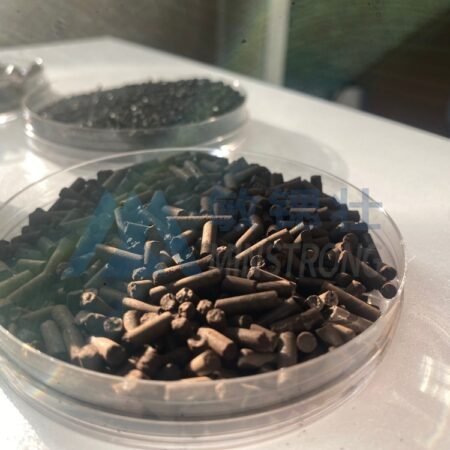
 Ozone/CO/VOCs ဖယ်ရှားခြင်းအတွက် Minslite စီးရီးဓာတ်ကူပစ္စည်း
1.1 နည်းပညာ ခြုံငုံသုံးသပ်ချက်နှင့် ယန္တရား
Catalytic ozone ဓာတ်တိုးခြင်းနည်းပညာသည် ဓာတုရေဆိုးများကို အဆင့်မြင့်ကုသမှုအတွက် သင့်လျော်သော အဆင့်မြင့်ဓာတ်တိုးဖြစ်စဉ်ကို ပံ့ပိုးပေးပါသည်။. အိုဇုန်းလွှာညစ်ညမ်းမှုကို ကုသရာတွင် သမားရိုးကျ ဇီဝဓာတုဖြစ်စဉ်များ၏ စွမ်းဆောင်ရည် ညံ့ဖျင်းမှုနှင့် ကိုက်ညီမှု သို့မဟုတ် စွန့်ပစ်ပစ္စည်းများ၏ စံနှုန်းများကို ကျော်လွန်ရန် ခက်ခဲခြင်းကဲ့သို့သော လုပ်ငန်းခွင်နာကျင်မှုအချက်များ—ဥပမာ- အိုဇုန်းလွှာကို အလွန်အမင်း oxidizing အဖြစ်သို့ ပြိုကွဲစေရန် ဓာတ်ကူပစ္စည်း၏ အသက်ဝင်မှုနှင့် ပေါင်းစပ်အကျိုးသက်ရောက်မှုများကို အသုံးချခြင်းဖြင့်၊ hydroxyl အစွန်းရောက်များ. ဤအစွန်းရောက်များသည် လျင်မြန်စွာ ဓာတ်တိုးစေပြီး ညစ်ညမ်းစေသော ဓာတ်တိုးဆန့်ကျင်ပစ္စည်းများကို ဖြိုခွဲသည်။ (ဥပမာ, halogenated ဟိုက်ဒရိုကာဗွန်များ, မွှေးရနံ့များ, အလယ်အလတ်များကို ဆေးဆိုးပါ။).
1.2 အဓိကအသုံးချမှုများနှင့် အကျိုးကျေးဇူးများ
နည်းပညာသည် မြင့်မားသောကုသမှု ထိရောက်မှုကဲ့သို့သော အကျိုးကျေးဇူးများကို ပေးဆောင်သည်။, ဒုတိယ ညစ်ညမ်းမှု မရှိပါ။, လည်ပတ်မှုအခြေအနေများနှင့် ကိုက်ညီမှုအားကောင်းခြင်း။, လည်ပတ်မှုနှင့် ပြုပြင်ထိန်းသိမ်းမှု လွယ်ကူခြင်း။. တည်ငြိမ်အောင် လုပ်ပေးထားတယ်။, အဆင့်မြင့်ဖယ်ရှားရေး COD, အရောင်, နှင့် TOC ဇီဝဓာတုအညစ်အကြေးများနှင့် ဆားဓာတ်မြင့်မားသော စုစည်းရေဆိုးများမှ၊, ထို့ကြောင့် ရေမျက်နှာပြင် အရည်အသွေး မြှင့်တင်ခြင်းကဲ့သို့သော အင်ဂျင်နီယာဆိုင်ရာ လိုအပ်ချက်မျိုးစုံကို ဖြည့်ဆည်းပေးသည်။, ရေဆိုးတွေကို ပြန်သုံးတယ်။, နှင့် သုညနီးပါ စွန့်ထုတ်ခြင်း။. လက်တွေ့အသုံးချပါ။, ကုသမှုစွမ်းဆောင်ရည်အပေါ် သက်ရောက်မှုရှိသော အဓိက ကန့်သတ်ဘောင်များတွင် ဓာတ်ကူပစ္စည်းရွေးချယ်မှု ပါဝင်သည်။, အိုဇုန်းပမာဏ, pH တန်ဖိုး, နှင့် ဟိုက်ဒရောလစ် ထိန်းထားချိန်; ကုသခြင်းအဆက်အစပ်လုပ်ငန်းစဉ်များနှင့် ဉာဏ်ရည်ထက်မြက်သောထိန်းချုပ်မှုစနစ်များကို ပေါင်းစပ်ခြင်းဖြင့် စွမ်းအင်နှင့် ဓာတုသုံးစွဲမှုကို လျှော့ချနိုင်သော်လည်း လုပ်ငန်းလည်ပတ်တည်ငြိမ်မှုကို သိသိသာသာ မြှင့်တင်ပေးနိုင်ပါသည်။.
1.3 လက်ရှိစိန်ခေါ်မှုများနှင့် အနာဂတ် Outlook
လက်ရှိတွင် ရေနံဓာတုဗေဒ ကဏ္ဍများတွင် တွင်ကျယ်စွာ အသုံးချနေသော်လည်း၊, ချက်ပြုတ်ခြင်း။, ပိုးသတ်ဆေး, နှင့် ကောင်းမွန်သော ဓာတုပစ္စည်းများ, နည်းပညာသည် ဓာတ်ကူပစ္စည်းများကို သုတ်သင်ခြင်းနှင့် ဆားဓာတ်မြင့်မားသော အခြေအနေများအတွက် အကန့်အသတ်ဖြင့် လိုက်လျောညီထွေ လိုက်လျောညီထွေ လိုက်လျောညီထွေဖြစ်စေရန် စိန်ခေါ်မှုများနှင့် ရင်ဆိုင်နေရဆဲဖြစ်သည်။. Bimetallic ပေါင်းစပ်ဓာတ်ကူပစ္စည်း ဖန်တီးမှုမှတဆင့် နောက်ထပ် ဖွံ့ဖြိုးတိုးတက်မှု, မိုက်ခရိုနာနိုပူဖောင်းနည်းပညာဖြင့် ချိတ်ဆက်ခြင်း။, နှင့် စနစ်ကောင်းမွန်အောင်လုပ်ဆောင်ခြင်း—၎င်း၏အသုံးချပရိုဂရမ်နယ်ပယ်ကို ချဲ့ထွင်နိုင်သည်။, အဆင့်မြင့် ဓာတုရေဆိုးသန့်စင်မှုနယ်ပယ်တွင် ကျယ်ကျယ်ပြန့်ပြန့် လက်ခံကျင့်သုံးမှုအတွက် အရေးပါသော တန်ဖိုးရှိသော အဓိကနည်းပညာတစ်ခု ဖြစ်လာစေပါသည်။.
ငါ. Advanced Chemical Wastewater Treatment တွင် Technical Pain Points နှင့် Application Requirements
ဓာတုဗေဒရေဆိုးများသည် ရှုပ်ထွေးသော ညစ်ညမ်းစေသော ပေါင်းစပ်မှုများကို ပြသသည်။, မြင့်မားသောအော်ဂဲနစ်အဆိပ်, ဇီဝပျက်စီးမှု အားနည်းခြင်း။, မြင့်မားသောဆားငန်, နှင့်ပြင်းထန်သောအရောင်. သမားရိုးကျ anaerobic နှင့် aerobic biochemical ကုသမှုပြီးနောက်ပင်, အညစ်အကြေးများသည် မကြာခဏဆိုသလို ဖွဲ့စည်းတည်ဆောက်ပုံဆိုင်ရာ တည်ငြိမ်မှု၏ သိသာထင်ရှားသောပါဝင်မှုကို ထိန်းသိမ်းထားသည်။, recalcitrant အော်ဂဲနစ်ညစ်ညမ်းမှုများ, လက်ရှိ ပတ်ဝန်းကျင် စွန့်ပစ်မှု စံချိန်စံညွှန်းများ သို့မဟုတ် စက်မှု ပြန်လည် အသုံးပြုမှု သတ်မှတ်ချက်များနှင့် မပြည့်မီနိုင်ပါ။. ရိုးရာအဆင့်မြင့် ကုသမှုလုပ်ငန်းစဉ်များသည် ဓာတုရေဆိုးသန့်စင်မှု၏ အရည်အသွေးနှင့် ထိရောက်မှုမြှင့်တင်ရန် ကြိုးပမ်းအားထုတ်မှုများကို အဟန့်အတားဖြစ်စေသည့် သိသာထင်ရှားသော ကန့်သတ်ချက်များကြောင့် ကြုံတွေ့နေရပါသည်။: coagulation-sedimentation သည် supended နှင့် colloidal pollutants များကိုသာ ဖယ်ရှားပေးပါသည်။, recalcitrant ပျော်ဝင်နေသော အော်ဂဲနစ်များကို ဆန့်ကျင်သည့် စွမ်းဆောင်ရည် ညံ့ဖျင်းမှုကို ပြသသည်။; activated carbon adsorption သည် လျင်မြန်သော saturation ကဲ့သို့သော ပြဿနာများနှင့် ရင်ဆိုင်နေရသည်။, မြင့်မားသောအစားထိုးကုန်ကျစရိတ်, နှင့် အန္တရာယ်ရှိသော စွန့်ပစ်ပစ္စည်းများ၏ မျိုးဆက်၊; သမားရိုးကျ အိုဇုန်းဓာတ်တိုးခြင်းသည် အစွန်းရောက် ထုတ်လုပ်မှု ထိရောက်မှု နည်းပါးသည်။, အိုဇုန်းသုံးစွဲမှု ညံ့ဖျင်းခြင်း။, နှင့် ကုသစရိတ် မြင့်မားသည်။, အကြီးစားစက်မှုလုပ်ငန်းသုံးများအတွက် မသင့်တော်ပါ။.
ပတ်ဝန်းကျင် စည်းကမ်းတွေ တင်းကြပ်လာတာနဲ့အမျှ, ရေဆိုးသန့်စင်မှုစံနှုန်းများ အဆင့်မြှင့်တင်ရန် လိုအပ်ချက်, ရေပြန်လည်ပြင်ဆင်ခြင်း။, ဓာတုစက်မှုဇုန်များတွင် စုစည်းဆားရည်ကို ကုသပေးခြင်းများ မြင့်တက်လာသည်။, သမားရိုးကျ လုပ်ငန်းစဉ်များကို စံနှုန်းမြင့် ကုသမှုလိုအပ်ချက်များ ပြည့်မီရန် မလုံလောက်ပါ။. ဒီနောက်ခံမြင်ကွင်းကိုဆန့်ကျင်, အိုဇုန်းလွှာဓာတ်တိုးခြင်းနည်းပညာသည် အဆင့်မြင့်ကုသမှုနှင့် စနစ်အဆင့်မြှင့်တင်ခြင်းအတွက် ဦးစားပေး ပင်မလုပ်ငန်းစဉ်တစ်ခုအဖြစ် ပေါ်ထွက်လာခဲ့သည်။. မြင့်မားသော oxidation ထိရောက်မှုဖြင့်သွင်ပြင်လက္ခဏာ, သဘာဝပတ်ဝန်းကျင်ဖော်ရွေမှု, နှင့်လည်ပတ်မှုပြောင်းလွယ်ပြင်လွယ်, ၎င်းသည် သမားရိုးကျနည်းလမ်းများ၏ နည်းပညာဆိုင်ရာ ပိတ်ဆို့မှုများကို ကျော်လွှားပြီး ဇီဝဓာတုအညစ်အကြေးများကို အဆင့်မြင့်ကုသမှုအတွက် ပစ်မှတ်ထားသော ဖြေရှင်းချက်များကို ပေးဆောင်သည်။, RO အာရုံစူးစိုက်မှု, ဓာတုဗေဒရေဆိုးများ.
II. Catalytic Ozone Oxidation Technology ၏ Core Principles
Catalytic ozone oxidation သည် သမားရိုးကျ အိုဇုန်းဓာတ်တိုးခြင်းတွင် ဓာတ်ကူပစ္စည်းကို ပေါင်းစပ်ထားသည့် အဆင့်မြင့် ဓာတ်တိုးဖြစ်စဉ်တစ်ခုဖြစ်သည်။. ၎င်း၏ ပင်မနိယာမတွင် ဓာတ်လိုက်ဓာတ် တက်ကြွမှုနှင့် စုပ်ယူမှု-ကြွယ်ဝမှု နှစ်ခုပါဝင်ပါသည်။: ဓာတ်ကူပစ္စည်းသည် အိုဇုန်းတုံ့ပြန်မှုလမ်းကြောင်းကို ပြောင်းလဲစေသည်။, ထို့ကြောင့် ဓာတ်တိုးမှု စွမ်းဆောင်ရည်ကို သိသိသာသာ မြှင့်တင်ပေးသည်။. တုံ့ပြန်မှုယန္တရားတွင် လေထုညစ်ညမ်းမှုကို ထိရောက်စွာ ဆုတ်ယုတ်မှုရရှိစေရန် ပေါင်းစပ်လုပ်ဆောင်သော ပေါင်းစပ်အစိတ်အပိုင်းနှစ်ခုပါရှိသည်။.
2.1 စုပ်ယူမှု-မြှင့်တင်ရေး ယန္တရား
တဖက်မှာ, ဓာတ်ကူပစ္စည်း မျက်နှာပြင်သည် ရေဆိုးမှ ညစ်ညမ်းသော အော်ဂဲနစ်ဒြပ်ပေါင်းများကို လျင်မြန်စွာ စုပ်ယူနိုင်သော တက်ကြွသော နေရာများစွာကို ပါရှိသည်။. ဓာတ်ကူပစ္စည်း မျက်နှာပြင်ပေါ်တွင် ညစ်ညမ်းစေသော အရာများကို အာရုံစိုက်ခြင်းဖြင့်, လုပ်ငန်းစဉ်သည် တုံ့ပြန်မှုအကွာအဝေးကို လျှော့ချပေးပြီး ဒေသဆိုင်ရာ ဓာတ်ပြုမှုပြင်းအားကို တိုးစေသည်။.
2.2 Hydroxyl Radical Generation နှင့် Mineralization
တပြိုင်နက်တည်း, ဓာတ်ကူပစ္စည်းသည် အိုဇုန်းမော်လီကျူးများ၏ တည်ငြိမ်သောဖွဲ့စည်းပုံကို နှောင့်ယှက်စေသည်။, ၎င်းတို့၏ ပျက်စီးယိုယွင်းမှုကို အရှိန်မြှင့်ပြီး ထုတ်ပေးသည်။ hydroxyl အစွန်းရောက်များ— ပိုမိုမြင့်မားသော ဓာတ်တိုးနိုင်စွမ်းနှင့် ရွေးချယ်မထားသော ဓာတ်ပြုမှုတို့ဖြင့် လက္ခဏာရပ်များ. အိုဇုန်းမော်လီကျူးများ၏ ရွေးချယ်ထားသော ဓာတ်တိုးခြင်း နှင့် မတူပါ။, hydroxyl radicals များသည် recalcitrant အော်ဂဲနစ် ညစ်ညမ်းစေသော ပစ္စည်းအမျိုးမျိုးကို ခွဲခြား၍မရပါ။, ၎င်းတို့၏ မော်လီကျူးဖွဲ့စည်းပုံများကို ဖြိုခွဲသည်။. ၎င်းတို့သည် ကြီးမားသော အော်ဂဲနစ်မော်လီကျူးများကို သေးငယ်သောအပိုင်းအစများအဖြစ် ခွဲထုတ်သည်။, နောက်ဆုံးတွင် ၎င်းတို့ကို ကာဗွန်ဒိုင်အောက်ဆိုဒ်နှင့် ရေအဖြစ် လုံးလုံးလျားလျား တွင်းထွက်စေသည်။, သို့မှသာ COD ကို ထိထိရောက်ရောက် ဖယ်ရှားနိုင်မည်ဖြစ်သည်။, အရောင်, နှင့် ရေဆိုးများမှ အဆိပ်အတောက်များ.
သို့သော်ငြားလည်း, အဆိုပါ ကွဲပြားသော ဓာတ်ပစ္စည်းများ အင်ဂျင်နီယာ အသုံးချမှုများတွင် အသုံးများသော စနစ်များသည် တစ်သားတည်းဖြစ်တည်မှု ဓာတ်ပြုခြင်းဆိုင်ရာ အားနည်းချက်များကို ထိရောက်စွာ ရှောင်တိမ်းနိုင်သည်။. အလူမီနာတွင် ပံ့ပိုးပေးထားသော Mn-Ce bimetallic ဓာတ်ကူပစ္စည်းများဖြင့် နမူနာပြထားသော ကွဲပြားသော ဓာတ်ကူပစ္စည်းများ- ဓာတုဓာတ်ခွဲဆေးများ သောက်သုံးရန် လိုအပ်မှုကို ဖယ်ရှားပေးပြီး ဒုတိယလေထုညစ်ညမ်းမှုကို ရှောင်ရှားပါ။. ၎င်းတို့၏ရေရှည်ပြန်လည်အသုံးပြုမှုသည် ရိုးရာ Fenton နှင့် တစ်သားတည်းဖြစ်တည်နေသော ဓာတ်ပစ္စည်းများဆိုင်ရာ လုပ်ငန်းစဉ်များနှင့် ဆက်စပ်နေသော ပြဿနာများကို ဖြေရှင်းပေးသည်, မြင့်မားသောဓာတုဆေးပမာဏလိုအပ်ချက်များကဲ့သို့သော, အလွန်အကျွံ sludge မျိုးဆက်, ရှုပ်ထွေးသော လည်ပတ်မှုနှင့် ထိန်းသိမ်းမှု. ထိုမျှသာမက, နည်းပညာသည် ညင်သာသောအခြေအနေအောက်တွင် လုပ်ဆောင်သည်။ (ပတ်ဝန်းကျင်အပူချိန်နှင့် ဖိအား), အပူချိန်မြင့်သော သို့မဟုတ် ဖိအားမြင့်ကိရိယာများ မလိုအပ်ပါ။, ဓာတုရေဆိုးသန့်စင်ခြင်းဆိုင်ရာ ပရောဂျက်များ၏ မတူကွဲပြားသော နေရာဒေသဆိုင်ရာ လုပ်ငန်းဆောင်ရွက်မှုအခြေအနေများနှင့် လိုက်လျောညီထွေဖြစ်အောင် ပြုလုပ်ခြင်း။.
III. Catalytic Ozone Oxidation Technology ၏ Core Engineering အားသာချက်များ
တိုင်းရင်းဆေးအဆင့်မြင့်ကုသမှုလုပ်ငန်းစဉ်များနှင့်နှိုင်းယှဉ်, ဓာတ်ပြုပါ၀င်သော အိုဇုန်းဓာတ်တိုးခြင်းနည်းပညာသည် ဓာတုရေဆိုးများ၏ ရှုပ်ထွေးသောအခြေအနေများကို ကိုင်တွယ်ရာတွင် ထူးထူးခြားခြား အင်ဂျင်နီယာဆိုင်ရာ အားသာချက်များကို ပေးစွမ်းသည်—၎င်း၏အကြီးစားမွေးစားခြင်းကို တွန်းအားပေးသည့် အဓိကအချက်ဖြစ်သည်။. ဤအားသာချက်များကို နယ်ပယ်လေးခုတွင် ထင်ရှားပါသည်။:
- ပြီးပြည့်စုံပြီး အလွန်ထိရောက်သော ညစ်ညမ်းမှုကို ဖယ်ရှားခြင်း။. နည်းပညာသည် recalcitrant ပျော်ဝင်နေသော အော်ဂဲနစ်ပစ္စည်းများကို ဖယ်ရှားရာတွင် ထူးချွန်သည်။, အရောင်, ဓာတုရေဆိုးများမှ အဆိပ်အတောက်ဖြစ်စေသော ညစ်ညမ်းမှုများ, ကြွင်းကျန်နေသော အနံ့ခံဒြပ်ပေါင်းများကဲ့သို့သော ခေါင်းမာသော အညစ်အကြေးများကို ထိရောက်စွာ ချေဖျက်ပေးသည်။, ဟေလိုဂျင်နယ် အော်ဂဲနစ်များ, နှင့် ပိုးသတ်ဆေး ကြားခံပစ္စည်းများ. အင်ဂျင်နီယာ အချက်အလက်များက ဖော်ပြသည်။, ozonation တစ်ခုတည်းနှင့် နှိုင်းယှဉ်ပါ။, ဓာတ်ကူပစ္စည်းအိုဇုန်းစနစ်များသည် COD ဖယ်ရှားမှုနှုန်းကို တိုးမြင့်စေသည်။ 25% TOC နှင့် အရောင်ဖယ်ရှားမှုနှုန်းကို သိသိသာသာ မြှင့်တင်ပေးသည်။, ပိုတည်ငြိမ်တဲ့ ညစ်ညမ်းအရည်အသွေးကို ဖြစ်ပေါ်စေတယ်။.
- ထူးခြားသော လုပ်ငန်းစဉ်အလိုက် လိုက်လျောညီထွေရှိမှုနှင့် လိုက်ဖက်ညီမှု. နည်းပညာသည် အလွန်ပြောင်းလွယ်ပြင်လွယ်ရှိသည်။, ရေနံဓာတုပစ္စည်းများအပါအဝင် ကဏ္ဍအသီးသီးမှ ရေဆိုးများအတွက် သင့်လျော်သည်။, ချက်ပြုတ်ခြင်း။, ဓာတုပစ္စည်းများ, ပိုးသတ်ဆေးထုတ်လုပ်ခြင်း—နှင့် စံဇီဝဓာတုအညစ်အကြေးများနှင့် ဆားဓာတ်မြင့်မားသော ပေါင်းစပ်ဓာတုရေဆိုးများ နှစ်မျိုးလုံးကို ကုသပေးနိုင်ခြင်း။, မြင့်မားသော COD, နှင့်မြင့်မားသောအရောင်. micro-flocculation ကဲ့သို့သော ကြိုတင်ကုသခြင်းလုပ်ငန်းစဉ်များနှင့်လည်း ချောမွေ့စွာ ပေါင်းစပ်နိုင်သည်။, အနည်ထိုင်ခြင်း။, ပြီးပြည့်စုံသောအဆင့်မြင့်ကုသမှုစနစ်တစ်ခုဖွဲ့စည်းရန် filtration, ပရောဂျက်အသစ်များနှင့် လက်ရှိရေဆိုးသန့်စင်ခြင်းဆိုင်ရာ အဆောက်အအုံများ အဆင့်မြှင့်တင်ခြင်းအတွက် စံပြဖြစ်စေသည်။.
- လည်ပတ်မှုနှင့် ပြုပြင်ထိန်းသိမ်းမှုစရိတ်စက နည်းပါးပြီး နောက်ဆက်တွဲ ညစ်ညမ်းမှု မရှိပါ။. ကွဲပြားသော ဓာတ်ကူပစ္စည်းများသည် တာရှည်ဝန်ဆောင်မှု သက်တမ်းရှိပြီး ပြန်လည်အသုံးပြုနိုင်သည်။, ဓာတုဆေးများ အဆက်မပြတ် သောက်သုံးရန် လိုအပ်မှုကို ဖယ်ရှားပေးပါသည်။; sludge ထုတ်လုပ်မှုနည်းပါးသည်။, အန္တရာယ်ရှိသော စွန့်ပစ်အမှိုက် ကုန်ကျစရိတ်ကို သိသိသာသာ လျှော့ချပေးသည်။. တုံ့ပြန်မှုပြီးနောက် အိုဇုန်းသည် အောက်ဆီဂျင်အဖြစ်သို့ လျင်မြန်စွာ ပြိုကွဲသွားသည်။, အကြွင်းအကျန် သို့မဟုတ် ဒုတိယ ညစ်ညမ်းမှုကို မချန်ထားပါ။, ၎င်းသည် အစိမ်းရောင်ရေသန့်စင်မှုဆိုင်ရာ စည်းမျဉ်းများနှင့် ကိုက်ညီသည်။. ထို့ အပြင်, စနစ်တွင် မြင့်မားသော automation ပါ၀င်သည်။, ဉာဏ်ရည်ထက်မြက်သော ဆေးထိုးခြင်းနှင့် စောင့်ကြည့်ကိရိယာများ ပါဝင်သည်။, ၎င်းသည် manual လည်ပတ်မှုနှင့်ထိန်းသိမ်းမှုဆိုင်ရာဝန်ထုပ်ဝန်ပိုးကိုလျှော့ချပေးသည်။.
- လည်ပတ်မှုအခြေအနေများကို လိုက်လျောညီထွေဖြစ်အောင် ချိန်ညှိခြင်းနှင့် စွမ်းရည်တိုးချဲ့ခြင်းတို့ကို လွယ်ကူစေသည်။. နည်းပညာသည် ချိန်ညှိနိုင်သော လုပ်ဆောင်မှုဝန်များကို ကျယ်ပြန့်စွာ ပေးဆောင်သည်။, သြဇာကြီးမားသောရေအရည်အသွေးအတက်အကျအပေါ်အခြေခံ၍ အိုဇုန်းသုံးစွဲမှုနှင့် ဟိုက်ဒရောလစ်ထိန်းသိမ်းမှုအချိန်တို့ကို အချိန်နှင့်တပြေးညီ ချိန်ညှိနိုင်စေခြင်း; ၎င်းသည် အဆက်မပြတ်ထွက်ရှိခြင်းနှင့် အလွန်ပြောင်းလဲနိုင်သော ရေအရည်အသွေးနှင့် ဓာတုဗေဒထုတ်လုပ်မှုဆိုင်ရာ လက္ခဏာရပ်များအတွက် ကောင်းစွာသင့်လျော်စေသည်။. ဓာတ်ပေါင်းဖိုတွင် modular ဒီဇိုင်းပါရှိသည်။, ပိုမိုတင်းကျပ်သော စံချိန်စံညွှန်းများ ပြည့်မီရန် အနာဂတ် စွမ်းဆောင်ရည် တိုးချဲ့ခြင်း သို့မဟုတ် အဆင့်မြှင့်တင်မှုများ ပြုလုပ်စဉ်တွင် ကျယ်ပြန့်သော မြို့ပြအင်ဂျင်နီယာ လုပ်ငန်း လိုအပ်မှုကို ဖယ်ထုတ်ခြင်း။, ဒါမှ ကောင်းမွန်တဲ့ စီမံကိန်းကို အကောင်အထည်ဖော်နိုင်မှုကို အာမခံပါတယ်။.
IV. ဓာတုရေဆိုးသန့်စင်မှုတွင် သာမာန်အသုံးပြုမှုအခြေအနေများနှင့် လက်တွေ့ရလဒ်များ
ဓာတ်တိုးစေသော အိုဇုန်းဓာတ်တိုးခြင်းနည်းပညာသည် လက်ရှိတွင် ရင့်ကျက်မှုနှင့် ဓာတုရေဆိုးအမျိုးအစားအမျိုးမျိုးအတွက် ခေတ်မီကုသရေးပရောဂျက်များတွင် ကျယ်ပြန့်စွာအသုံးချလျက်ရှိသည်။. လုပ်ငန်းစဉ်ဖွဲ့စည်းပုံများနှင့် ကုသမှုရလဒ်များသည် သီးခြားအခြေအနေပေါ်မူတည်၍ ကွဲပြားသည်။, နည်းပညာ၏ ခိုင်မာသော လိုက်လျောညီထွေရှိမှုကို ပြသသည်။.
coking ရေဆိုးသန့်စင်မှုတွင်, ဇီဝဓာတုအညစ်အကြေးများတွင် ဖီနောနှင့် pyridines ကဲ့သို့သော ညစ်ညမ်းစေသော ညစ်ညမ်းစေသော ညစ်ညမ်းစေသည့် ပမာဏမြင့်မားစွာပါ၀င်ပြီး ခရိုမာနှင့် အဆိပ်သင့်မှုကို ပြသသည်. အကောင်းဆုံးသော လည်ပတ်မှုအခြေအနေများအောက်တွင် အမျိုးအစားခွဲထားသော fluidized bed catalytic ozone လုပ်ငန်းစဉ်ကို အသုံးပြုခြင်းဖြင့်, ကျွန်ုပ်တို့သည် COD နှင့် TOC ဖယ်ရှားမှုနှုန်းများကိုရရှိနိုင်ပါသည်။ 83.7% နှင့် 72.3% အသီးသီး; ကျန်ရှိသော အဆိပ်သင့်သော အော်ဂဲနစ်ဒြပ်ပေါင်းများကို နှိုက်နှိုက်ချွတ်ချွတ် ကျဆင်းစေသည်။, နှင့် အညစ်အကြေးများသည် တင်းကြပ်သော ထုတ်လွှတ်မှုစံနှုန်းများနှင့် ကိုက်ညီပါသည်။.
ရေနံဓာတုရေဆိုးသန့်စင်မှုတွင်၊, Reverse Osmosis (RO) အာရုံစူးစိုက်မှုသည် ၎င်း၏ဆားငန်မြင့်မားမှုနှင့် ၎င်း၏အော်ဂဲနစ်ညစ်ညမ်းမှုများ၏တည်ငြိမ်သောမော်လီကျူးဖွဲ့စည်းပုံကြောင့် သမားရိုးကျလုပ်ငန်းစဉ်များအတွက် စိန်ခေါ်မှုတစ်ခုဖြစ်လာသည်။. Mn‑Ce/γ‑Al₂O₃ bimetallic catalytic အိုဇုန်းစနစ်ကို အသုံးပြုခြင်းဖြင့် micro-flocculation pretreatment လုပ်ငန်းစဉ်ကို အာရုံစူးစိုက်မှုမှ ပျော်ဝင်နေသော အော်ဂဲနစ်ဒြပ်စင်များကို ထိရောက်စွာ ဖယ်ရှားပေးပါသည်။, COD နှင့် chroma ကို သိသိသာသာ လျှော့ချပေးသည်။. ကုသပြီးသောအညစ်အကြေးများကို ပြန်လည်အသုံးပြုရန်အတွက် ပြန်လည်သိမ်းယူနိုင်ပါသည်။, ရေနံဓာတုဗေဒ အာရုံစူးစိုက်မှုဆိုင်ရာ ပြဿနာကို ထိရောက်စွာ ဖြေရှင်းခြင်း။.
ဓာတုဆိုးဆေးနှင့် အထည်အလိပ်ဆိုးဆေး ရေဆိုးများကို ကုသရာတွင်၊, အဆင့်နှစ်ဆင့် ကွဲပြားသော ဓာတ်တိုးဆန့်ကျင်ပစ္စည်း ဓာတ်တိုးမှု လုပ်ငန်းစဉ်သည် ဆိုးဆေးကြားခံများနှင့် အရန်ပစ္စည်းများ ကဲ့သို့သော ညစ်ညမ်းစေသော ညစ်ညမ်းစေသော ဓာတုပစ္စည်းများကို ပစ်မှတ်ထားသည်။. အကောင်းဆုံးသော ဟိုက်ဒရောလစ် ထိန်းထားချိန်နှင့် အိုဇုန်းအာရုံစူးစိုက်မှုနှင့်အတူ, COD ဖယ်ရှားမှုနှုန်းထက် ကျော်လွန်ပါသည်။ 80%, နှင့် ညစ်ညမ်းသော COD သည် အောက်တွင် တည်ငြိမ်နေပါသည်။ 50 mg/L. Chroma သည် လုံးဝနီးပါး ပျောက်သွားသည်။, စက်မှုပြန်လည်အသုံးပြုမှုလိုအပ်ချက်များနှင့် ရေမျက်နှာပြင်ပတ်ဝန်းကျင်ဆိုင်ရာ စံချိန်စံညွှန်းနှစ်ခုလုံးကို ဖြည့်ဆည်းပေးသည်။.
ပိုးသတ်ဆေးနှင့် ဓာတုဗေဒရေဆိုးများကို ကုသရေးကိစ္စ၊, micro/nano-bubble gas-dissolving technology နှင့် ပေါင်းစပ်ထားသော catalytic ozonation စနစ်သည် အိုဇုန်းပျော်ဝင်မှုနှင့် အသုံးချမှုနှုန်းကို မြှင့်တင်ပေးသည်. ၎င်းသည် အိုဇုန်းပမာဏနည်းပါးသော ပမာဏတွင် ထိရောက်သော ကုသမှုကို ပေးစွမ်းနိုင်မည်ဖြစ်သည်။, လည်ပတ်မှုကုန်ကျစရိတ်ကို ထိန်းထားပါ။ 1 ရေတစ်တန်လျှင် RMB—ကုန်ကျစရိတ်-ထိရောက်မှုဖြင့် စွမ်းဆောင်ရည်ကို ဟန်ချက်ညီအောင် ထိန်းညှိပေးခြင်း—နှင့် အလွန်အမင်း အဆိပ်သင့်မှုကို ကုသခြင်း၏ သီးခြားတောင်းဆိုချက်များကို ဖြည့်ဆည်းပေးသည်။, recalcitrant ပိုးသတ်ဆေး ရေဆိုး.
v. အင်ဂျင်နီယာလုပ်ငန်းဆောင်ရွက်မှုများအတွက် အဓိကထိန်းချုပ်မှု ဘောင်များ
ကုသမှုစွမ်းဆောင်ရည်နှင့် ဓာတ်ပစ္စည်းများ ozonation စနစ်များ၏ လည်ပတ်တည်ငြိမ်မှုသည် core process parameters များ၏ တိကျသောထိန်းချုပ်မှုအပေါ်တွင် များစွာမှီခိုနေပါသည်။; အင်ဂျင်နီယာဆိုင်ရာ အသုံးချမှုများအတွင်း အဓိက ကန့်သတ်ချက်လေးခု လိုအပ်သည်။.
- ဓာတ်ကူပစ္စည်းရွေးချယ်မှုနှင့် သုံးစွဲမှုကန့်သတ်ချက်များ. ဓာတ်ကူပစ္စည်းသည် ပင်မလုပ်ငန်းဆောင်တာယူနစ်ဖြစ်သည်။; single-metal ဓာတ်ကူပစ္စည်းများနှင့် နှိုင်းယှဉ်ပါ။, bimetallic ပေါင်းစပ်ဓာတ်ကူပစ္စည်းများသည် ပိုမိုမြင့်မားသော လုပ်ဆောင်မှုနှင့် တည်ငြိမ်မှုကို ပေးဆောင်သည်။, ၎င်းတို့ကို ရှုပ်ထွေးသော ဓာတုဗေဒရေဆိုးများအတွက် ပိုမိုသင့်လျော်စေသည်။. ဦးဇင်း, ရေဆိုးသွင်ပြင်လက္ခဏာများပေါ်မူတည်၍ ဓာတ်ကူပစ္စည်းပမာဏနှင့် ထုပ်ပိုးမှုနည်းလမ်းများကို ဆုံးဖြတ်ရပါမည်။. Fluidized-bed နှင့် fixed-bed reactors များသည် မတူညီသော ကုသမှုအတိုင်းအတာများနှင့် ကိုက်ညီပြီး ဓာတ်ကူပစ္စည်းများ ပြတ်တောက်ခြင်း သို့မဟုတ် ဆုံးရှုံးမှုကဲ့သို့သော ပြဿနာများကို ထိရောက်စွာ ကာကွယ်နိုင်ပါသည်။.
- အိုဇုန်းသုံးစွဲမှုနှင့် ဓာတ်ငွေ့ပျော်ဝင်မှု ထိရောက်မှု. အိုဇုန်းပမာဏသည် ဓာတ်တိုးနိုင်စွမ်းကို တိုက်ရိုက်ဆုံးဖြတ်သည်။; မလုံလောက်သောပမာဏသည် မပြည့်စုံသော လေထုညစ်ညမ်းမှုကို ဖြစ်စေသည်။, အလွန်အကျွံ သောက်သုံးနေချိန်တွင် စွမ်းအင်သုံးစွဲမှုနှင့် လည်ပတ်မှုကုန်ကျစရိတ်ကို တိုးစေသည်။. စွမ်းဆောင်ရည်မြင့်မားသော မိုက်ခရို/နာနို-ပူဖောင်းဓာတ်ငွေ့ပျော်ဝင်သည့်ကိရိယာကို ပေါင်းစပ်ခြင်းသည် အိုဇုန်းပျော်ဝင်နိုင်မှုနှင့် အသုံးချမှုကို တိုးမြင့်စေသည်။, အိုဇုန်းဓာတ်ငွေ့ထုတ်လွှတ်မှုကို လျှော့ချပေးသည်။, နှင့် စနစ်၏ အလုံးစုံ ကုသမှု ထိရောက်မှုကို တိုးတက်စေသည်။.
- ရေဆိုး pH နှင့် တုံ့ပြန်မှု အချိန်. ကြားနေမှ အယ်ကာလိုင်း အားနည်းသော ပတ်ဝန်းကျင်များသည် ဓာတ်ပြုသော ozonation တုံ့ပြန်မှုကို နှစ်သက်သည်။, hydroxyl radicals များ၏ မျိုးဆက်ကို မြှင့်တင်ပေးခြင်း, အက်စစ်ဓာတ်ရှိသော ပတ်ဝန်းကျင်သည် အိုဇုန်းပြိုကွဲမှုကို ဟန့်တားပြီး ကုသမှုထိရောက်မှုကို လျှော့ချသည်။. ထို့ အပြင်, ညစ်ညမ်းမှုများကြား လုံလောက်သော ထိတွေ့မှုနှင့် တုံ့ပြန်မှုကို သေချာစေရန် ကျွန်ုပ်တို့သည် သင့်လျော်သော ဟိုက်ဒရောလစ် သိုလှောင်ချိန်ကို ထိန်းသိမ်းထားရပါမည်။, အစွန်းရောက်, ဓာတ်ကူပစ္စည်း, မပြည့်စုံသော တုံ့ပြန်မှုများကြောင့် ဖြစ်ပေါ်လာသော ရေထွက်အရည်အသွေး အတက်အကျများကို ကာကွယ်ခြင်း။.
- ကြိုတင်ပြင်ဆင်ခြင်းများကို ထိန်းချုပ်ခြင်း။. အလွန်အကျွံ ဆိုင်းငံ့ထားသော အညစ်အကြေးများနှင့် သြဇာရှိရှိ ကော်လိုဒိုင်း ညစ်ညမ်းမှုများသည် ဓာတ်ကူပစ္စည်း၏ တက်ကြွသောနေရာများကို ဖုံးအုပ်နိုင်သည်, ဓာတ်ကူပစ္စည်းပိတ်ခြင်းကို ဖြစ်စေသည်။. ဩဇာသက်ရောက်မှုရှိသော လေထုညစ်ညမ်းမှုဝန်ကို လျှော့ချရန်နှင့် ရေရှည်သေချာစေရန်အတွက် အင်ဂျင်နီယာ ဒီဇိုင်းများသည် မိုက်ခရိုဖလိုရိုက်ခြင်းနှင့် စစ်ထုတ်ခြင်းကဲ့သို့သော ကြိုတင်ပြင်ဆင်ခြင်းယူနစ်များကို ပေါင်းစပ်ထားရပါမည်။, ဓာတ်တိုးဆန့်ကျင်ပစ္စည်း ယူနစ်၏ တည်ငြိမ်သော လည်ပတ်မှု.
VI. အင်ဂျင်နီယာဆိုင်ရာ ပိုမိုကောင်းမွန်အောင်ပြုလုပ်ခြင်းအတွက် လက်ရှိနည်းပညာဆိုင်ရာ ကန့်သတ်ချက်များနှင့် လမ်းညွှန်ချက်များ
ကျယ်ပြန့်သော အင်ဂျင်နီယာအလေ့အကျင့်သည် ဓာတ်ပြုဓာတ်ပြု ozonation နည်းပညာသည် အချို့သော ကန့်သတ်ချက်များနှင့် ရင်ဆိုင်နေရဆဲဖြစ်ကြောင်း ထုတ်ဖော်ပြသသည်။: ဆားဓာတ်မြင့်မားသော ပြင်းထန်သော အခြေအနေအောက်တွင်, ဆားအိုင်းယွန်းများသည် ဓာတ်ကူပစ္စည်းလုပ်ဆောင်ချက်ကို အနည်းငယ်ဟန့်တားပြီး ကုသမှုထိရောက်မှုကို လျှော့ချပေးသည်။; ရေရှည်လုပ်ဆောင်မှုသည် ဓာတ်ကူပစ္စည်း မျက်နှာပြင်ပေါ်တွင် ညစ်ညမ်းမှုများ စုဆောင်းခြင်းကို ဦးတည်စေသည်။, လှုပ်ရှားမှု ယိုယွင်းခြင်းနှင့် ကိတ်မုန့်များကို ဖြစ်ပေါ်စေသည်။; အသေးစားပရောဂျက်များတွင် အိုဇုန်းစက်ပစ္စည်းများအတွက် စွမ်းအင်သုံးစွဲမှုသည် အတော်လေးမြင့်မားသည်။, လုပ်ငန်းလည်ပတ်မှုစရိတ်သက်သာမှု တိုးတက်မှုအတွက် အခန်းချန်ထားပါ။. ရင့်ကျက်သော ပိုမိုကောင်းမွန်အောင်ပြုလုပ်ခြင်းဗျူဟာများသည် ဤပြဿနာများကို ဖြေရှင်းပေးပါသည်။:
- ပစ္စည်းနှင့် ပတ်သက်, အလွန်တည်ငြိမ်သော ဖွံ့ဖြိုးတိုးတက်ရေးကို အဓိကထား ကြိုးပမ်းဆောင်ရွက်သည်။, ဆားနှင့် ညစ်ညမ်းမှုကို ခံနိုင်ရည်ရှိစေရန်အတွက် ညစ်ညမ်းခြင်း-ခံနိုင်ရည်ရှိသော bimetallic ပေါင်းစပ်ဓာတ်ကူပစ္စည်းနှင့် အသစ်အဆန်းအထောက်အပံ့ပစ္စည်းများ, ဓာတ်ကူပစ္စည်း သက်တမ်းကို တိုးစေသည်။, နှင့် အစားထိုးစရိတ်များကို လျှော့ချပါ။.
- process coupling ၏စည်းကမ်းချက်များ၌, အဆိုပါ “micro-flocculation + ဓာတ်ပစ္စည်းများ ozonation + ပြန်လည်လည်ပတ်မှု” ပေါင်းစပ်လုပ်ငန်းစဉ်သည် သြဇာရှိသော အရည်အသွေးအတက်အကျများကို ဟန်ချက်ညီအောင် ကူညီပေးသည်။, Shock loads များကို ခံနိုင်ရည်ရှိသော စနစ်အား မြှင့်တင်ပေးသည်။, နှင့် လေထုညစ်ညမ်းမှုနှုန်းကို ပိုမိုတိုးတက်စေသည်။.
- ဉာဏ်ရည်ထက်မြက်သော လည်ပတ်မှုနှင့် ပြုပြင်ထိန်းသိမ်းမှုနှင့် စပ်လျဉ်း၍, အွန်လိုင်း ORP စောင့်ကြည့်ခြင်းနှင့် ဉာဏ်ရည်ထက်မြက်သော ဆေးပမာဏ ထိန်းချုပ်မှုစနစ်များ ပေါင်းစပ်ခြင်းသည် သြဇာလွှမ်းမိုးမှု အရည်အသွေးအပေါ် အခြေခံ၍ အိုဇုန်းသုံးစွဲမှုနှင့် လည်ပတ်မှုကန့်သတ်ချက်များကို အချိန်နှင့်တစ်ပြေးညီ ချိန်ညှိနိုင်စေပါသည်။; ၎င်းသည် တုံ့ပြန်မှုဖြစ်စဉ်ကို တိကျစွာထိန်းချုပ်နိုင်စေပါသည်။, စွမ်းအင်နှင့် ဓာတုသုံးစွဲမှုကို လျှော့ချပေးသည်။, နှင့် လုပ်ငန်းဆောင်ရွက်မှုများ၏ စီးပွားရေး ရှင်သန်နိုင်စွမ်းကို တိုးတက်စေသည်။.
တင်ပြလာတဲ့. နိဂုံး
အရည်အသွေးနှင့် စွမ်းဆောင်ရည်မြှင့်တင်မှုများနှင့် ဓာတုရေဆိုးသန့်စင်မှုတွင် အရင်းအမြစ်များ ပြန်လည်ရယူရေးတို့ကို အလေးပေးသည့် လုပ်ငန်းလမ်းကြောင်းများကြားတွင်, ဓာတ်ပစ္စည်းများ ozonation နည်းပညာ—မြင့်မားသောထိရောက်မှု၏ အဓိကအားသာချက်များကို အသုံးချခြင်း။, သဘာဝပတ်ဝန်းကျင်ဖော်ရွေမှု, ခိုင်ခံ့သော လိုက်လျောညီထွေရှိမှု—ပြန်လည်ရုန်းထနိုင်သော ဓာတုရေဆိုးများကို ကုသခြင်းနှင့် ဆက်စပ်နည်းပညာဆိုင်ရာ ပိတ်ဆို့မှုများကို ထိရောက်စွာ ကျော်လွှားနိုင်သည်. ၎င်းသည် အဆင့်မြင့်ကုသမှုနှင့် စွန့်ပစ်စံအဆင့်မြှင့်တင်မှုများမှ စုစည်းရေဆိုးများကို စီမံခန့်ခွဲခြင်းအထိ အက်ပလီကေးရှင်းများတွင် သိသာထင်ရှားသောတန်ဖိုးကို သရုပ်ပြသည်။. ဓာတ်ကူပစ္စည်းများ၏ ထပ်ခါထပ်ခါ တိုးတက်မှုအားဖြင့်, လုပ်ငန်းစဉ် system coupling ၏ optimization, နှင့် ဉာဏ်ရည်ထက်မြက်သော လည်ပတ်မှုနှင့် ပြုပြင်ထိန်းသိမ်းမှုသို့ အဆင့်မြှင့်တင်မှုများ, နည်းပညာ၏ကုသမှုထိရောက်မှု, လည်ပတ်တည်ငြိမ်မှု, နှင့် ကုန်ကျစရိတ်သက်သာမှုတို့သည် ဆက်လက်တိုးတက်နေမည်ဖြစ်သည်။. အနာဂတ်မှာ, တိုင်းရင်းဆေးအဆင့်မြင့် ကုသမှုလုပ်ငန်းစဉ်များကို ပိုမိုအစားထိုးရန် အသင့်ရှိနေပါသည်။, စံမြင့်ဓာတုရေဆိုးသန့်စင်ခြင်းနှင့် ရေအရင်းအမြစ်ပြန်လည်အသုံးပြုခြင်းအတွက် အဓိကပံ့ပိုးပေးသည့်နည်းပညာတစ်ခုအဖြစ် ဆောင်ရွက်လျက်ရှိပါသည်။, ထို့ကြောင့် ဓာတုစက်မှုလုပ်ငန်း၏ အစိမ်းရောင်နှင့် ကာဗွန်နည်းသော ဖွံ့ဖြိုးတိုးတက်မှုကို လွယ်ကူချောမွေ့စေပါသည်။.
စာရေးသူ: ဂလိုရီယာ
ရက်စွဲ:2026/7/10
WeChat
WeChat ဖြင့် QR ကုဒ်ကို စကင်ဖတ်ပါ။