 Catalizzatori serie Minslite per la rimozione di ozono/CO/COV
A causa delle sue elevate concentrazioni di composti organici refrattari e antibiotici residui, le acque reflue farmaceutiche presentano una bassa efficienza e un rischio di collasso del sistema in caso di trattamento biochimico diretto. La tecnologia di ozonizzazione catalitica può generare in modo efficiente radicali idrossilici a temperatura ambiente e pH quasi neutro; degrada gli inquinanti in modo non selettivo e migliora significativamente la biodegradabilità delle acque reflue. Questa tecnologia ha già ottenuto applicazioni ingegneristiche di successo in numerose basi di produzione farmaceutica in Cina. Questo articolo analizza le basi meccanicistiche dell’idoneità di questa tecnologia nonché i suoi vantaggi globali.
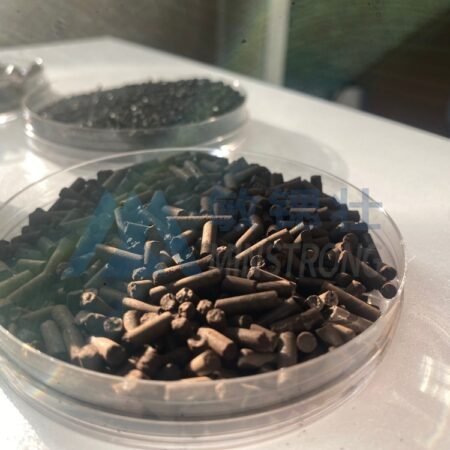
Catalizzatore di decomposizione dell'ozono
IO. Fonti e sfide per il trattamento delle acque reflue farmaceutiche
Le acque reflue farmaceutiche provengono principalmente da principi attivi farmaceutici (API) produzione, compresi i filtrati di fermentazione, residui di estrazione, fondi di distillazione, e acqua per la pulizia delle attrezzature. La qualità dell’acqua varia in modo significativo tra i diversi tipi di acque reflue: le acque reflue della produzione di antibiotici hanno tipicamente una domanda chimica di ossigeno (MERLUZZO) di 5.000–20.000 mg/L e solidi sospesi di 5.000–23.000 mg/L; sintesi chimica le acque reflue farmaceutiche contengono sostanze tossiche come i nitrocomposti, aniline, e metalli pesanti; medicina tradizionale cinese (MTC) le acque reflue di produzione trasportano grandi quantità di composti organici naturali refrattari, come i tannini, lignine, e alcaloidi.
Anche a concentrazioni fino a microgrammi per litro, gli antibiotici residui possono inibire il metabolismo microbico e causare il collasso dei sistemi di trattamento biochimico. Inoltre, sostanze organiche clorurate e idrocarburi policiclici aromatici (IPA) Avere “tre cancerogeni” effetti (cancerogeno, mutageno, teratogeno) e persistono nei corpi idrici. Perciò, dobbiamo applicare un pretrattamento efficace prima del trattamento biochimico per eliminare la tossicità biologica e migliorare la biodegradabilità.
II. Il meccanismo principale dei catalizzatori di ozono
I catalizzatori per l'ozono utilizzano ossidi di metalli di transizione (per esempio., manganese, rame, ferro) come componenti attivi e supportarli su supporti ad alta superficie come l'allumina o la ceramica. Mentre il flusso di ozono scorre attraverso il letto catalitico, i siti attivi sulla superficie del catalizzatore assorbono e attivano le molecole di ozono, facilitandone la scissione per produrre radicali idrossilici (·OH).
Con un potenziale di ossidazione alto quanto 2.80 V, i radicali idrossilici reagiscono in modo non selettivo e rapido con la maggior parte degli inquinanti organici. Scindono i legami saturi e aprono anelli aromatici, scindere le grandi molecole organiche in intermedi più piccoli, che poi subiscono un’ulteriore mineralizzazione. Il catalizzatore non si consuma durante il processo; funziona in modo efficiente a pH neutro (5–8), non necessita di additivi chimici, e previene l'inquinamento secondario.
III. Perché è particolarmente adatto al pretrattamento delle acque reflue farmaceutiche
1. Rapida eliminazione dell'attività batteriostatica degli antibiotici
I radicali idrossilici attaccano rapidamente i gruppi funzionali attivi degli antibiotici (per esempio., Anello β‑lattamico e scheletro della tetraciclina), causando l’apertura dell’anello e la scissione del legame, eliminando così completamente la loro capacità batteriostatica. Gli studi dimostrano che quando utilizziamo un catalizzatore a base di manganese per trattare le acque reflue simulate contenenti ossitetraciclina, il tasso di rimozione dell'antibiotico supera 96% entro 30 minuti; Inoltre, i prodotti di degradazione risultanti non inibiscono più il successivo trattamento biochimico.
2. Degradazione efficiente degli inquinanti organici recalcitranti
I composti aromatici ed eterociclici spesso resistono all'ozonizzazione convenzionale, con tassi di utilizzo dell’ozono generalmente inferiori 50%. Il catalizzatore sposta la reazione verso una dominanza radicale, processo di ossidazione non selettiva, accelerando i tassi di degrado da diverse a decine di volte. Ad esempio, quando applichiamo l'ossidazione catalitica a acque reflue farmaceutiche sintetizzate chimicamente (COD ≈ 8,000 mg/l), il tasso di rimozione del COD raggiunge il 45%–55%, mentre l'ozonizzazione convenzionale da sola ottiene meno di 20%.
3. Miglioramento significativo della biodegradabilità
Grande, le molecole organiche recalcitranti si scompongono in sostanze più piccole: gli acidi organici, aldeidi, e alcoli, aumentando il rapporto B/C (BOD/CODICE) da un iniziale 0,1–0,2 a 0,3–0,5 o superiore, a volte fino a 0.6. Di conseguenza, il successivo trattamento biochimico richiede il 30%–50% in meno di tempo di ritenzione idraulica e consuma il 20%–30% in meno di energia di aerazione.
4. Adattabilità alle fluttuazioni della qualità dell'acqua e della portata
Regolando il dosaggio dell'ozono (30–120mg/l) e tempo di ritenzione (30–120 minuti), il sistema può adattarsi in modo flessibile ai diversi carichi inquinanti; inoltre, lo strato catalitico a letto fisso fornisce una sostanziale capacità tampone.
IV. Vantaggi rispetto alle tecnologie di pretrattamento tradizionali
Rispetto al metodo di ossidazione Fenton, una tecnica comune nel pretrattamento delle acque reflue farmaceutiche, l'ozonizzazione catalitica mostra vantaggi distinti sotto molteplici aspetti. Per quanto riguarda l'inquinamento secondario, L'ossidazione del Fenton richiede l'aggiunta di solfato ferroso e perossido di idrogeno in condizioni fortemente acide. La reazione produce grandi quantità di fanghi contenenti ferro, circa 1 A 3 kg per tonnellata di acque reflue, che classifichiamo come rifiuti pericolosi e dobbiamo smaltire a costi elevati. Al contrario, l'ozonizzazione catalitica non necessita di additivi chimici; il suo catalizzatore solido è riutilizzabile, e l'unico sottoprodotto è l'ossigeno. Poiché l'intero processo non genera fanghi chimici, fondamentalmente evita l'inquinamento secondario.
In termini di condizioni di reazione, L'ossidazione del Fenton richiede di regolare il pH delle acque reflue su un intervallo fortemente acido (2–4) e quindi aggiungere la base dopo la reazione per ripristinare la neutralità. Ciò consuma grandi quantità di acidi e basi e complica il funzionamento. Ozonizzazione catalitica, Tuttavia, può funzionare direttamente a temperatura ambiente e pH quasi neutro (5–8) delle acque reflue grezze, senza aggiustamenti acidi o basici. Questo approccio consente di risparmiare sui costi dei prodotti chimici e semplifica il flusso di lavoro complessivo.
Per quanto riguarda la gestione operativa, L'ossidazione del Fenton richiede manuale, preparazione e dosaggio periodici di vari reagenti: una procedura complessa con rischi intrinseci per la sicurezza. Al contrario, i sistemi di ozonizzazione catalitica possono essere altamente automatizzati; possiamo integrarli con un PLC per il monitoraggio online della qualità dell'acqua in tempo reale e la regolazione automatica dell'emissione di ozono. L'intero processo funziona in modo autonomo, riducendo la necessità di personale in loco e facilitando una gestione conveniente.
Per quanto riguarda i costi operativi, prendendo come esempio un impianto di trattamento delle acque reflue farmaceutiche da 500 tonnellate al giorno, il processo Fenton genera circa 180 tonnellate di rifiuti pericolosi contenenti ferro ogni anno. Le tariffe per lo smaltimento dei rifiuti pericolosi da sole superano 150,000 RMB; combinato con acido, base, e altri costi dei reagenti, il costo operativo diretto per tonnellata di acque reflue ammonta a circa 4.5 RMB. Per ozonizzazione catalitica, consumo di elettricità (principalmente per il generatore di ozono) costa circa 2.8 RMB per tonnellata, mentre il costo annuale ammortizzato per l'esaurimento del catalizzatore è all'incirca 0.4 RMB per tonnellata. Senza costi di smaltimento di reagenti o rifiuti pericolosi, il costo operativo totale per tonnellata è di circa 3.2 RMB: quasi 30% inferiore al processo di Fenton. Inoltre, i catalizzatori di ozono di alta qualità possono rimanere efficaci per oltre due anni in condizioni operative ragionevoli; se la loro attività diminuisce, possiamo ripristinare gran parte della loro efficacia originaria attraverso la rigenerazione termica offline, prolungando ulteriormente la durata e riducendo i costi di sostituzione.
In sintesi, l'ozonizzazione catalitica supera significativamente il tradizionale processo di ossidazione Fenton in termini di benefici ambientali, efficienza economica, e comodità operativa.
V. Pratica e sintesi di ingegneria
Un'ampia pratica ingegneristica dimostra che l'ozonizzazione catalitica, quando lo applichiamo al pretrattamento delle acque reflue farmaceutiche, può raggiungere un tasso di rimozione del COD di 40% A 60%. Inoltre, questo processo non richiede alcuna regolazione del pH e non genera fanghi chimici, consentendo un funzionamento stabile e prolungato del sistema. La logica fondamentale per la scelta dell’ozonizzazione catalitica per il pretrattamento delle acque reflue farmaceutiche risiede nella sua capacità di raggiungere contemporaneamente tre obiettivi chiave: riducendo il COD, eliminando l’attività antibatterica degli antibiotici, e migliorando significativamente la biodegradabilità, il tutto senza inquinamento secondario e con costi operativi controllabili. Per le aziende farmaceutiche che devono affrontare mandati normativi per migliorare i propri standard di protezione ambientale, l’ozonizzazione catalitica rappresenta un percorso di pretrattamento tecnicamente ed economicamente valido che le applicazioni ingegneristiche del mondo reale hanno ampiamente convalidato.
autore: Gloria
data:2026/5/13
WeChat
Scansiona il codice QR con WeChat