 Catalizzatori serie Minslite per la rimozione di ozono/CO/COV
Cos'è l'ozono?
L’ozono è un gas altamente ossidante composto da tre atomi di ossigeno, con la formula chimica O₃. Come allotropo dell'ossigeno, l’ozono ha una capacità di ossidazione più forte rispetto alle normali molecole di ossigeno (O₂), rendendolo ampiamente utilizzato nei processi industriali che richiedono reazioni di ossidazione efficienti.
In condizioni normali, l'ozono è un gas azzurro con un odore caratteristico. A causa della sua struttura molecolare instabile, l'ozono può facilmente decomporsi in ossigeno e specie reattive dell'ossigeno. Il suo forte potenziale di ossidazione gli consente di distruggere i microrganismi, ossidare gli inquinanti organici, e partecipare a varie reazioni chimiche. Perciò, l'ozono è ampiamente applicato nel trattamento delle acque industriali, trattamento delle acque reflue, purificazione dell'aria, sterilizzazione, e processi di ossidazione.
Tuttavia, la forte capacità ossidativa dell'ozono implica anche che debba essere adeguatamente controllato. All’interno dei sistemi industriali controllati, l'ozono è un agente di trattamento efficace. Quando una quantità eccessiva di ozono fuoriesce nell'ambiente di lavoro o viene scaricata direttamente, potrebbe avere effetti negativi sulla salute umana, materiali dell'attrezzatura, e l'ambiente. Perciò, Il controllo e il trattamento dell'ozono sono parti essenziali delle applicazioni industriali dell'ozono.
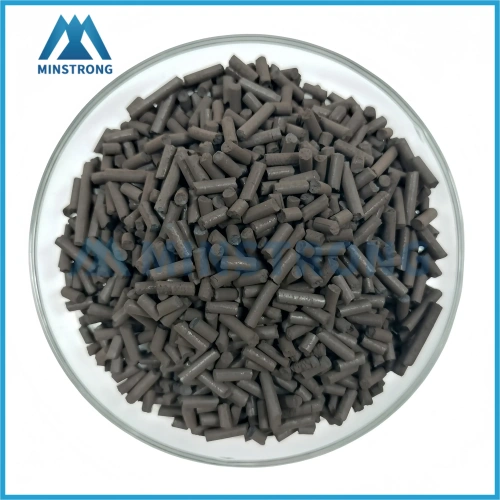
catalizzatore di decomposizione dell'ozono
Quali sono le cause della generazione di ozono?
In natura, l'ozono si forma principalmente attraverso reazioni fotochimiche nell'atmosfera. Quando le molecole di ossigeno sono esposte a radiazioni ultraviolette ad alta energia, possono dividersi in singoli atomi di ossigeno. Questi atomi di ossigeno si combinano quindi con le molecole di ossigeno per formare ozono. Questo processo naturale di formazione dell’ozono avviene principalmente nella stratosfera, dove l’ozono aiuta a proteggere la Terra dalle dannose radiazioni ultraviolette.
Negli ambienti industriali, L'ozono viene solitamente generato artificialmente. Uno dei metodi più comuni è la tecnologia a scarica corona, dove l'energia elettrica ad alta tensione rompe le molecole di ossigeno in atomi di ossigeno attivi. Questi atomi di ossigeno si combinano quindi con le molecole di ossigeno per produrre ozono. Questo metodo consente una produzione stabile di ozono con livelli di concentrazione regolabili ed è ampiamente utilizzato nei sistemi di generazione di ozono industriale.
La generazione di ozono industriale viene applicata in molti campi. Per esempio, l'ozono viene utilizzato nel trattamento delle acque reflue per ossidare i composti organici difficili da degradare, nei processi di disinfezione per ridurre i microrganismi, e nelle applicazioni di ossidazione industriale. Tuttavia, L'ozono non viene completamente consumato durante queste reazioni, ciò significa che l'ozono residuo rimane nel flusso di gas e richiede un ulteriore trattamento prima dello scarico.
Quali tipi di ozono devono essere trattati?
Non tutto l’ozono richiede un trattamento. L'ozono svolge un ruolo importante come agente ossidante quando viene utilizzato all'interno di processi industriali controllati. L'ozono che richiede trattamento è principalmente l'ozono in eccesso che non può partecipare alle reazioni e deve essere rilasciato dal sistema.
I principali tipi di ozono che richiedono un trattamento nelle applicazioni industriali includono quanto segue:
1. Gas di scarico dell'ozono. Durante l'ossidazione dell'ozono, trattamento delle acque reflue, e processi di sterilizzazione, una parte dell'ozono rimane non reagito e lascia la camera di reazione insieme al gas di scarico. Questo ozono residuo solitamente deve essere decomposto prima che il gas possa essere scaricato in sicurezza.
2. Perdita di ozono da apparecchiature industriali. Durante il funzionamento a lungo termine, scarse prestazioni di tenuta o una gestione impropria del gas possono causare perdite di ozono nell'ambiente di lavoro. Sono necessarie misure efficaci di controllo dell’ozono per proteggere gli operatori e mantenere la sicurezza sul posto di lavoro.
3. Flussi di gas contenenti ozono ad alta concentrazione. Alcuni processi industriali generano continuamente gas di scarico contenenti ozono. Lo scarico diretto di questi gas senza trattamento può aumentare la concentrazione di ozono nell'ambiente circostante e creare rischi ambientali.
Perché è necessario trattare l'ozono?
Lo scopo principale del trattamento con ozono è ridurre la salute, sicurezza, e rischi ambientali causati da un eccesso di ozono. Sebbene l'ozono abbia eccellenti capacità di ossidazione e disinfezione, alte concentrazioni di ozono non sono adatte per un'esposizione prolungata.
Primo, l’ozono può avere effetti sulla salute umana. Una concentrazione eccessiva di ozono nell'aria può irritare il sistema respiratorio e causare disagio, soprattutto in ambienti industriali dove i lavoratori possono essere esposti per periodi prolungati. Perciò, il controllo della concentrazione di ozono è necessario per mantenere un luogo di lavoro sicuro.
Secondo, l'ozono è altamente reattivo e può accelerare l'ossidazione e l'invecchiamento di alcuni materiali, compresi i metalli, gomma, e plastica. Per impianti industriali che utilizzano ozono, una corretta gestione dell'ozono aiuta a ridurre il degrado delle apparecchiature e a prolungarne la durata.
Inoltre, le emissioni incontrollate di ozono possono contribuire a problemi di qualità dell’aria. L’ozono troposferico è considerato un inquinante atmosferico ossidante, e concentrazioni eccessive possono influenzare negativamente le condizioni ambientali. Perciò, il trattamento dei gas di scarico dell’ozono è una parte importante del controllo delle emissioni industriali.
Principali tecnologie per il trattamento dell'ozono industriale
È possibile selezionare diverse tecnologie di trattamento dell'ozono a seconda della concentrazione di ozono, portata del gas, e condizioni operative. I metodi principali includono la decomposizione termica, assorbimento, e decomposizione catalitica.
Decomposizione termica utilizza temperature elevate per accelerare la degradazione dell'ozono in ossigeno. Questo metodo ha un principio semplice, ma richiede in genere un consumo energetico maggiore per la necessità di riscaldamento. È adatto principalmente per condizioni industriali specifiche in cui è accettabile il funzionamento ad alta temperatura.
Tecnologia di assorbimento rimuove l'ozono catturando le molecole di ozono sulla superficie dei materiali adsorbenti. Tuttavia, la capacità di assorbimento è limitata, e i materiali necessitano di sostituzione o rigenerazione dopo la saturazione. Perciò, potrebbe avere limitazioni nelle applicazioni industriali continue.
Tecnologia di decomposizione catalitica dell'ozono accelera la decomposizione dell'ozono riducendo l'energia di attivazione della reazione attraverso materiali catalitici. Le molecole di ozono vengono adsorbite e attivate sulla superficie del catalizzatore, poi convertito in ossigeno in condizioni operative relativamente blande. Questa tecnologia offre vantaggi come la bassa temperatura operativa, elevata efficienza di trattamento, e capacità di funzionamento continuo, rendendolo una soluzione importante per il trattamento dei gas di scarico dell'ozono industriale.
Tendenze di sviluppo della tecnologia di decomposizione catalitica dell'ozono
Con crescenti esigenze di tutela ambientale ed efficienza energetica, le tecnologie di trattamento dell’ozono si stanno sviluppando verso una maggiore efficienza, minor consumo di energia, e una maggiore durata. La tecnologia di decomposizione catalitica migliora le prestazioni di rimozione dell'ozono ottimizzando le strutture catalitiche e migliorando l'assorbimento dell'ozono, attivazione, e processi di decomposizione.
Gli sviluppi futuri nel trattamento dell’ozono si concentreranno sul miglioramento della stabilità del catalizzatore, adattarsi ad ambienti gassosi complessi, e riducendo i costi operativi a lungo termine. Per le industrie che si affidano a processi basati sull'ozono, la selezione di una soluzione adeguata per il trattamento dell'ozono è essenziale per ottenere un funzionamento sicuro, rispetto ambientale, e produzione sostenibile.
Complessivamente, L’ozono è sia un prezioso agente ossidante industriale che un gas che richiede un controllo adeguato. Comprendere le proprietà dell'ozono, identificare quali flussi di ozono necessitano di trattamento, e l’applicazione di adeguate tecnologie di rimozione dell’ozono sono passi fondamentali verso un utilizzo sicuro dell’ozono e operazioni industriali responsabili dal punto di vista ambientale.
autore:kakà
data:2026/7/13
WeChat
Scansiona il codice QR con WeChat