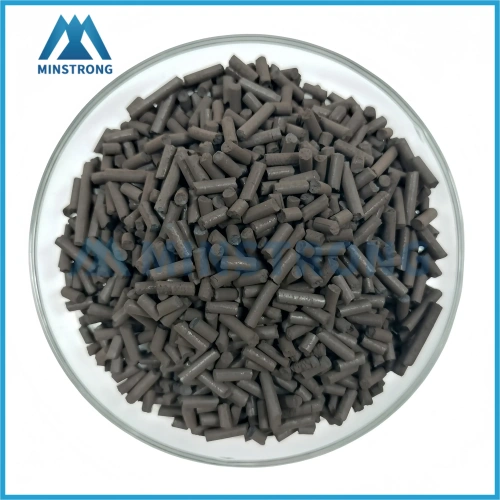
 Catalizzatori serie Minslite per la rimozione di ozono/CO/COV
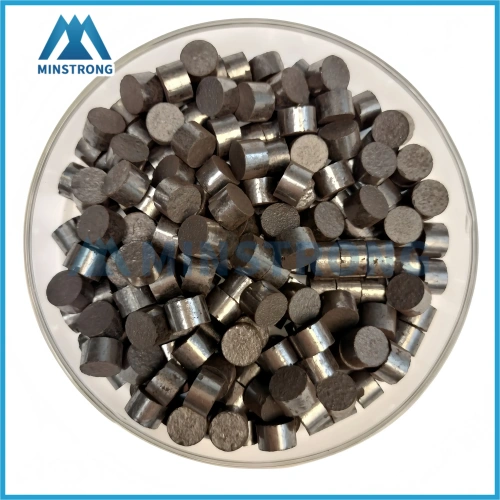
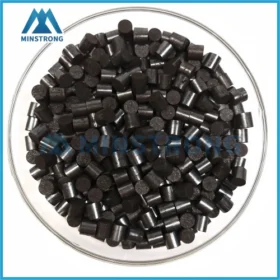
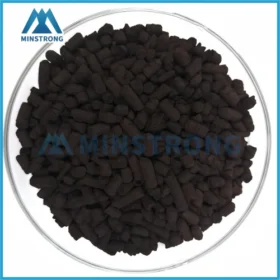

Introduzione al prodotto
- La tecnologia del catalizzatore di ozono è un processo di ossidazione avanzato basato sull'ozono. Combina le forti proprietà ossidanti dell'ozono con le proprietà di adsorbimento e catalitiche del catalizzatore, e dimostrare di risolvere in modo più efficace il problema della bassa efficienza del trattamento con ozono, basso utilizzo di ozono, elevati costi operativi, e problemi di degradazione incompleta dei prodotti organici.
- Lo stato di fase del catalizzatore di ossidazione catalitica dell'ozono è suddiviso in ozonizzazione catalitica omogenea e ozonizzazione catalitica eterogenea. Nella tecnologia di ozonizzazione catalitica omogenea, il catalizzatore è uniformemente distribuito e presenta un'elevata attività catalitica, il meccanismo d'azione è chiaro, ed è facile da studiare e comprendere. Tuttavia, anche i suoi difetti sono evidenti. Il catalizzatore è miscibile in acqua, facendolo perdere facilmente, difficile da riciclare, e causare inquinamento secondario. Il costo operativo è elevato e il costo del trattamento dell'acqua aumenta. Il metodo di ozonizzazione catalitica eterogenea utilizza un catalizzatore solido per accelerare la reazione di ossidazione in fase liquida (o fase gassosa) sotto pressione normale. Il catalizzatore esiste allo stato solido, è insolubile in acqua, non scappa, non ha inquinamento secondario, e riduce i costi operativi dell'ossidazione catalitica.
- Il metodo di ossidazione catalitica dell'ozono delle acque reflue è una tecnologia di ossidazione avanzata su larga scala, che si realizza principalmente attraverso due modi di ossidazione diretta e ossidazione catalitica. L'ozono può mineralizzare direttamente le grandi molecole, lunghe catene, e la materia organica difficile da biodegradare che rimane nelle acque reflue trasformandola in anidride carbonica e acqua, e si decompongono parzialmente in piccole molecole e sostanze facilmente biodegradabili, distruggere la struttura della materia organica non biodegradabile, ridurre la tossicità, e aumentare il rapporto B/C, in modo da garantire l'effetto del trattamento dei successivi metodi biochimici. La tradizionale tecnologia di ossidazione dell'ozono è principalmente l'ossidazione diretta, che ha uno scarso effetto di trasferimento di massa, basso tasso di utilizzo dell’ozono, ed elevati costi di investimento e operativi.
Caratteristiche del prodotto
- Il catalizzatore Minstrong ha una buona resistenza, e la resistenza media allo schiacciamento è 60-200 N/cm;
- La superficie specifica è elevata, con superficie specifica superiore a 200 m2/G, e all'interno del catalizzatore sono distribuite un gran numero di strutture microporose, che può assorbire efficacemente l'ozono ed effettuare la decomposizione catalitica;
- Il catalizzatore Minstrong è resistente alle alte temperature e non contiene componenti infiammabili e volatili. Quando si ha a che fare con ozono ad alta concentrazione, non vi è alcun rischio di combustione e nessun inquinamento secondario;
- Il contenuto di principi attivi è elevato, il contenuto di principi attivi catalizzatori è pari a più di 85%, la prestazione è stabile, la vita è lunga, e non è facile perdere;
- Le materie prime e il processo di produzione del catalizzatore sono completamente indipendenti e controllabili, e può essere fornito stabilmente.
Applicazioni
- Parametri prestazionali del catalizzatore di ozono per il trattamento delle acque reflue e delle acque reflue
WeChat
Scansiona il codice QR con WeChat