 Minslite Series կատալիզատորներ օզոնի/CO/VOCs հեռացման համար
Արդյո՞ք ձեր գործարանը կամ շրջակա միջավայրի պաշտպանության նախագիծը բախվո՞ւմ է օզոնի ավելցուկային արտանետումների և թափոնների գազի մաքրման համար էներգիայի բարձր սպառման խնդրին:? Բնապահպանական հետզհետե խստացնող ստուգումներով, Ավանդական ջերմային տարրալուծման կամ կլանման գործընթացները հաճախ պահանջում են բարձր ջերմաստիճան կամ սպառվող նյութերի հաճախակի փոխարինում, հանգեցնելով գործառնական ծախսերի կտրուկ աճի. Եթե լիներ մի նյութ, որը կարող էր արագ “քանդել” Աղտոտիչները, ինչպիսիք են օզոնը սենյակային ջերմաստիճանում, առանց ինքն իրեն սպառելու, սա գիտական ֆանտաստիկա չէ; դա կատալիզատորների արտասովոր հզորությունն է.
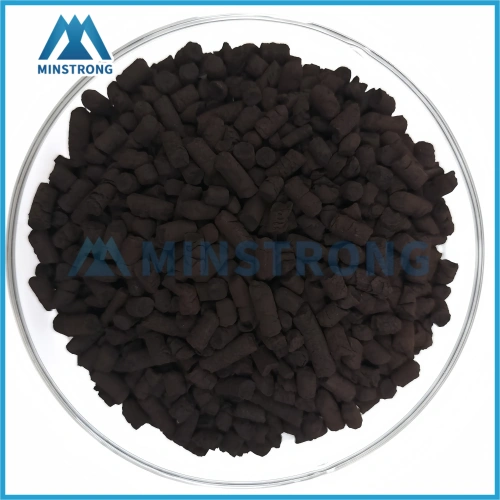
Minstrong կատալիզատոր
Ինչ է կատալիզատորը?
Կատալիզատորը նյութ է, որը կարող է զգալիորեն փոխել քիմիական ռեակցիայի արագությունը՝ միաժամանակ պահպանելով իր զանգվածը և քիմիական հատկությունները ռեակցիայից առաջ և հետո։. Այն սպառված հումք չէ, բայց անխոնջ “ուղեցույց.” Արդյունաբերական թափոնների գազերի մաքրման մեջ, օդի մաքրում, և նավթաքիմիական, կատալիզատորները հետևողականորեն կարևոր դեր են խաղում՝ օգտագործելով նվազագույն քանակները՝ հսկայական ռեակցիայի արդյունավետության հասնելու համար.
Ինչպես է դա աշխատում? - Իջեցնելով “շեմը,” թույլ տալով, որ ռեակցիան սահուն ընթանա.
Ցանկացած քիմիական ռեակցիա պետք է հաղթահարի էներգետիկ արգելքը, մասնավորապես ակտիվացման էներգիան. Որքան բարձր է արգելքը, այնքան դանդաղ կամ նույնիսկ դադարեցրեց ռեակցիան. Կատալիզատորի աշխատանքի հիմնական սկզբունքը ակտիվացման էներգիայի իջեցումն է, ռեակտիվ մոլեկուլներին ապահովելով նոր, ավելի հեշտ անցանելի, ցածր էներգիայի ճանապարհ. Կան երկու կոնկրետ մեթոդներ: մակերևույթի կլանումը - ռեակտիվ մոլեկուլները ներծծվում են կատալիզատորի ակտիվ մակերևույթի վրա, որտեղ քիմիական կապերը երկարացվում են, թուլացած, և ավելի հեշտությամբ կոտրվում է; և միջանկյալ ձևավորում. կատալիզատորը և ռեակտիվները ժամանակավորապես միանում են՝ ձևավորելով անկայուն միջանկյալ արտադրանք, որոնք այնուհետև արագ փոխակերպում և նորից ազատում են կատալիզատորը. Ռեակցիայի ավարտից հետո, կատալիզատորը վերադառնում է իր սկզբնական վիճակին և կարող է վերամշակվել հազարավոր կամ նույնիսկ տասնյակ հազարավոր անգամներ.
Այս մեխանիզմը շատ ռեակցիաներ, որոնք գրեթե չեն առաջանում սենյակային ջերմաստիճանում, դարձնում է բարձր արդյունավետ և իրագործելի, հատկապես օզոնի աղտոտվածության դեմ պայքարում, որտեղ այն հիանալի է կատարում.
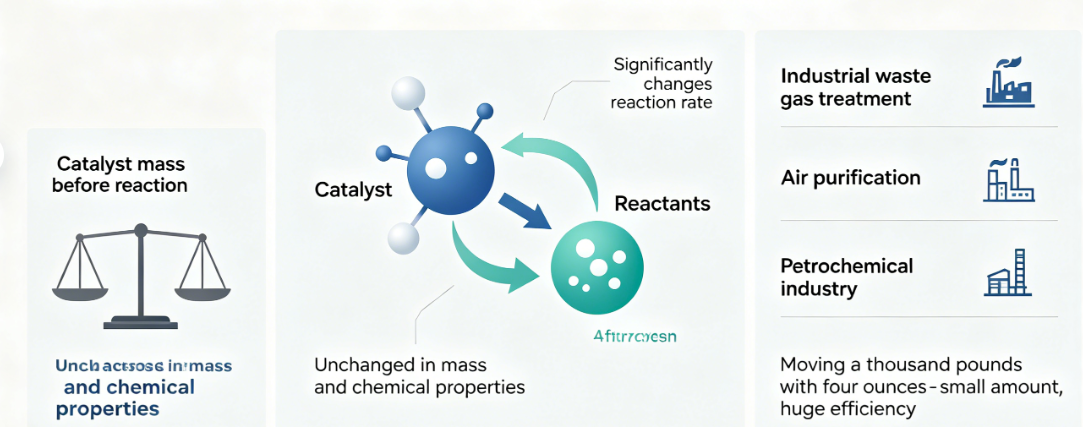
Գործնական դեպք: Ինչպես է մանգան երկօքսիդը, օզոնի քայքայման կատալիզատոր, “ակնթարթորեն սպանել” օզոն?
Որպես օրինակ վերցնելով օզոնի տարրալուծման կատալիզատորները, օզոն (O₃) սենյակային ջերմաստիճանում չափազանց դանդաղ է քայքայվում, կիսամյակային կյանքով, որը կարող է հասնել մի քանի ժամ կամ նույնիսկ օրերի. Այնուամենայնիվ, երբ օզոն պարունակող օդային հոսքը անցնում է մանգան երկօքսիդի կատալիզատորի մակերեսով (MnO2), հրաշք է տեղի ունենում անմիջապես: կատալիզատորը մեծապես նվազեցնում է օզոնի քայքայման ռեակցիայի ակտիվացման էներգիան, ստիպելով օզոնի մոլեկուլները քայքայվել և արագ վերադասավորվել, արագ վերածվում է թթվածնի (O₂). Ամբողջ գործընթացը ջեռուցում չի պահանջում, ոչ լրացուցիչ քիմիական ռեակտիվներ, իսկ կատալիզատորն ինքնին գրեթե ոչ մի կորուստ չի կրում և ունի չափազանց երկար կյանք.
Այս պատճառով, Օզոնի տարրալուծման կատալիզատորները լայնորեն օգտագործվում են արդյունաբերական թափոնների գազերի մաքրման մեջ, բարձրակարգ օդի մաքրիչներ, տպագրական արհեստանոցներ, էլեկտրոնիկայի գործարաններ, և կեղտաջրերի մաքրման կայանի արտանետվող գազերի մաքրում, գիտակցելով օդի մաքրման բարձր արդյունավետ և երկարատև կատալիզատորների արժեքը. Համեմատած ավանդական ակտիվացված ածխածնի կլանման հետ (հագեցվածությունից հետո փոխարինում պահանջող) կամ բարձր ջերմաստիճանի պիրոլիզ (սպառելով հսկայական էներգիա), Կատալիզատոր լուծումները դառնում են նախընտրելի ընտրություն շրջակա միջավայրի պահպանության աճող թվով ընկերությունների համար.
🏭 Անդրադառնալով ցավոտ կետերին: Ինչու՞ բարձր արդյունավետության կատալիզատոր ընտրելը կարող է օգնել ձեզ նվազեցնել ծախսերը և բարձրացնել արդյունավետությունը?
Բնապահպանական սարքավորումներ արտադրողների համար, գործարանի EHS մենեջերներ, կամ թափոնների գազի մաքրման ինժեներական ընկերություններ, ժամանակը և էներգիայի սպառումը փող են. Բարձրորակ կատալիզատորը կարող է բերել չորս հիմնական առավելություններ:
✅ Նվազեցված էներգիայի սպառումը: Ջեռուցում կամ ճնշում չի պահանջվում; արդյունավետորեն գործում է սենյակային ջերմաստիճանում, կտրուկ նվազեցնելով էներգիայի սպառումը.
✅ Սարքավորման երկարացված ժամկետը: Մեղմ ռեակցիայի պայմաններ; չի կոռոզիայի ենթարկում սարքավորումները; չի առաջացնում երկրորդային աղտոտիչներ.
✅ Նվազեցված գործառնական ծախսերը: Կատալիզատորը կարող է երկար ժամանակ վերամշակվել, նվազեցնելով նյութերի փոխարինման հաճախականությունը և վտանգավոր թափոնների հեռացման ծախսերը.
✅ Կայուն համապատասխանություն: Թափոնների գազի մաքրման բարձր արդյունավետ տեխնոլոգիան հեշտությամբ համապատասխանում է օզոնի արտանետումների ազգային և տեղական սահմաններին, խուսափելով բնապահպանական տույժերի ռիսկից.
Օզոնի քայքայման պրոֆեսիոնալ և կայուն կատալիզատոր ընտրելը կարող է արագ լուծել օզոնի ավելորդ արտանետումների խնդիրը, պաշտպանել արտադրական սարքավորումները, նվազեցնել շահագործման և պահպանման ծախսերը, և բավարարել բնապահպանական համապատասխանության պահանջները. Minsizhuang-ը կենտրոնանում է բարձրորակ էկոլոգիապես մաքուր կատալիտիկ նյութերի հետազոտության և զարգացման և արտադրության վրա, և ապահովում է օզոնային կատալիտիկ լուծումներ. Բարի գալուստ պարամետրերի հարցում, նմուշներ և գնանշումներ.
հեղինակ:կակա
ամսաթիվը:2026/4/21
WeChat
Սկանավորեք QR կոդը WeChat-ի միջոցով