 Minslite sorozatú katalizátorok ózon/CO/VOC eltávolításához
Az ózon erős oxidálószer. Az iparágak általában vízkezelésben használják, hulladékgáz kezelése, félvezető gyártás, és orvosi fertőtlenítés. Viszont, maga az ózon is légszennyező. Ha az ipari kipufogógázban visszamaradó ózon kezelés nélkül távozik, sérti a környezetvédelmi előírásokat. Ráadásul, károsítja a berendezést, emberi egészség, és az ökoszisztéma. Ezért, az ózon által kibocsátott gázok megsemmisítése e folyamatok nélkülözhetetlen lépésévé válik.
A különféle ózonos füstgáz-kezelési technológiák között, katalitikus bomlás kiemelkedik. Valójában, ez a legszélesebb körben alkalmazott és legalacsonyabb költségű módszer az ipari ózoncsökkentésben. Ez a módszer szobahőmérsékleten hatékonyan alakítja át az ózont oxigénné. Pontosabban, A szobahőmérsékletű katalitikus lebontási technológia Mn-alapú katalizátorokat használ. Ezek a katalizátorok csökkentik az ózonbomlási reakció aktiválási energiáját. Ennek eredményeként, a reakció környezeti hőmérsékleten és nyomáson hatékonyan megy végbe. Továbbá, a katalizátor újra felhasználható, ami nagymértékben csökkenti a kezelési költségeket. Kis helyigényének köszönhetően könnyen integrálható a különféle berendezésekbe.
Ez a cikk szisztematikusan elemzi, hogy a szobahőmérsékletű katalitikus lebontási technológia hogyan csökkenti az ipari működési költségeket. Négy kulcsfontosságú szempontot fed le: energiafogyasztás, berendezések karbantartása, katalizátor élettartama, és az ózonfelhasználás hatékonysága.
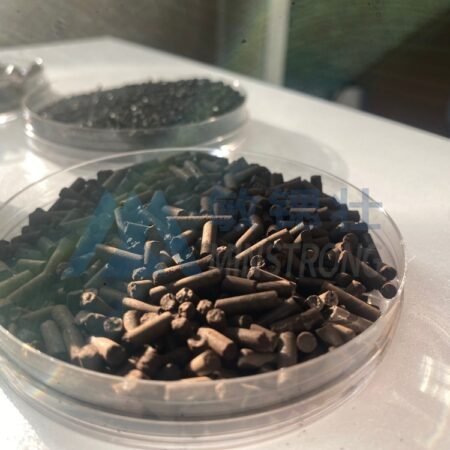
Ózonbontó katalizátor
1. Energiaköltség: Tól “Magas energiafogyasztás” hogy “Közel nulla energiafogyasztás”
Az ózonos távozógázok kezelésének fő ipari módszerei közé tartozik az aktív szén adszorpciója, termikus bomlás, és katalitikus bomlás. Első, termikus bomlás korán elterjedt megközelítés volt. Az ózontartalmú gázt 300-400 °C-ra melegíti. Ez elegendő energiát biztosít az ózonmolekulák lebomlásához. 350°C-ra melegítve, az ózon felezési ideje kisebb, mint 0.04 másodpercig. Következésképpen, belül teljes bomlás érhető el 1.5 hogy 2 másodpercig. Bár ennek a módszernek nagy a lebontási hatékonysága, hatalmas energiát fogyaszt. Speciális fűtőberendezést és hőszigetelést is igényel. Ez magas üzemeltetési költségeket eredményez. Működő ipari gyártósorokhoz 24/7, a fűtésre fordított villamos energia vagy tüzelőanyag költség önmagában jelentős hosszú távú kiadást jelent.
Második, aktív szén adszorpciója az aktív szén porózus szerkezetét használja fel az ózonmolekulák adszorbeálására. E folyamat során, Az ózon kémiai reakcióba lép a felszínen, és oxigénné bomlik. Viszont, az aktív szén adszorpciós képessége korlátozott. Valójában, hatékonysága meredeken csökken magas páratartalom és magas ózonkoncentráció mellett. Miután telített, regenerálást vagy cserét igényel. Ez, viszont, növeli mind az üzemeltetési költségeket, mind a karbantartás bonyolultságát.
Harmadik, szobahőmérsékletű katalitikus bomlás alapvetően más. Például, A Mn-alapú katalizátorok az ózont oxigénre bonthatják, ha ózontartalmú gázzal érintkeznek szobahőmérsékleten vagy alacsony hőmérsékleten. Ráadásul, nem igényelnek fényforrást vagy egyéb külső körülményt. Ez a technológia szoba- vagy alacsony hőmérsékleten működik. Ennek eredményeként, energiát takarít meg, működési költsége pedig közel nulla. Ezért, szobahőmérsékletű katalitikus lebontással, cégek teljesen megszüntethetik a vásárlást, telepítés, folyamatos energia, és a fűtőberendezések karbantartási költségei. Közepes méretű ipari üzemhez, Ez önmagában évente több százezer-millió jüan energiaköltséget takaríthat meg.
2. Berendezések és karbantartási költségek: Egyszerűsített rendszerek és csökkentett munkaerő
Az energián túl, a berendezések beruházása és a rendszeres karbantartás szintén az ipari ózonos füstgáz-kezelés fő összetevői.
Egyrészt, a hőbomlás egy sor berendezést igényel. Ez magában foglalja a kemencéket is, hőcserélők, hőmérséklet-szabályozó rendszerek, és szigetelőanyagok. Következésképpen, ez egy komplex rendszert eredményez nagy alapterülettel és magas kezdeti befektetéssel. Ráadásul, a hosszú távú magas hőmérsékletű működés az alkatrészek elöregedéséhez és termikus kifáradásához vezet. Ezek a problémák rendszeres ellenőrzést és cserét igényelnek. A karbantartási költségek ezért tartósan magasak maradnak.
Másrészt, A szobahőmérsékletű katalitikus technológia katalizátorral töltött ágyakat vagy moduláris alkatrészeket használ. Ez a rendszer egyszerű, és kevesebb berendezést igényel. Továbbá, ez az eljárás nem igényel semmilyen kémiai adalékot vagy pH beállítást. Nem igényel gyakori kézi műveleteket sem, így alacsonyak a munkaerőköltségek. Környezeti hőmérsékleten és nyomáson működik, nem támaszt különleges magas hőmérsékleti ellenállási követelményeket a berendezés anyagaira. Helyette, kiküszöböli a magas hőmérsékletű berendezések biztonsági kockázatait, és csökkenti a biztonsági védelembe való befektetést. Integrált technológiával, a szükséges felszerelés minimális. A működés kényelmes, és az automatizálás foka magas.
3. Katalizátor élettartama és csereköltségei
Fogyóeszközként, a katalizátor élettartama közvetlenül befolyásolja a hosszú távú üzemeltetési költségeket.
Szobahőmérsékletű katalitikus lebontásban, a katalizátorcsere ciklus kulcsfontosságú gazdasági tényező. Az ipari alkalmazási adatok azt mutatják, hogy környezeti hőmérsékleten és nyomáson, az ózon katalitikus oxidációs berendezésben lévő katalizátor csereciklusa 2 hogy 3 évre. Közben nincs karbantartási költség. Ez azt jelenti, hogy a vállalatoknak csak a katalizátort kell cserélniük minden alkalommal 2 hogy 3 évre. Ennek eredményeként, ebben az időszakban gyakorlatilag nincs további karbantartási ráfordításuk.
Ráadásul, egyes katalizátorok képesek regeneráció. A katalitikus anyagok működés közben folyamatosan deszorbeálódhatnak és regenerálódhatnak. Ez lehetővé teszi az újrahasznosítást. Ha az aktivitás egy bizonyos időszak után csökken, megfelelő módszerekkel visszaállítható. A regenerációs technológia alkalmazása tovább növeli a katalizátor hatékony élettartamát. Következésképpen, ez csökkenti a katalizátor időegységenkénti költségét.
A tényleges kiválasztásban, a katalizátorok évesített költsége jelentősen változik. Például, Hasonlítsa össze a két katalizátort: Az A katalizátor költsége 2,000 jüan/l és tart 2 évre. Ezért, évesített költsége az 1,000 jüan/L·yr. A B katalizátor költségei 1,000 jüan/l, de csak tart 6 hónap. Így, évesített költsége az 2,000 jüan/L·yr. Egyértelműen, az olcsóbb B katalizátor valójában kétszer annyi éves költséggel bír, mint az A katalizátor. Ez azt mutatja, hogy ha kizárólag a kezdeti vételárra összpontosítunk, miközben figyelmen kívül hagyjuk az élettartamot, az gyakran sokkal magasabb hosszú távú kiadásokhoz vezet.. Ráadásul, a katalizátor hasznos élettartamán túli használata több mint értékkel növelheti a rendszer teljes működési költségét 30%.
Ezzel szemben, a hőbomlásnak nincs katalizátorcsere költsége. Viszont, a felhalmozott magas energiafelhasználás felett 2 hogy 3 évben jóval meghaladja a katalizátor egyszeri beszerzési költségét. Az életciklus-költség szempontjából, A szobahőmérsékletű katalitikus technológiának egyértelmű gazdasági előnye van.
4. Közvetett költségmegtakarítás a jobb ózonfelhasználás révén
Az ózon alkalmazásának forrásánál, fokozott ózonfelhasználás jelentősen csökkenti az üzemeltetési költségeket is.
A hagyományos ózonoxidációs eljárásokban, nagy mennyiségű ózon távozik a füstgázzal anélkül, hogy részt venne a reakcióban. Ez pazarolja az ózongenerátor által fogyasztott villamos energiát. Ezenkívül növeli a véggáz kezelésének terhét. Viszont, hatékony katalizátorokkal, az ózonfelhasználás drámaian megemelkedhet kb 30% hogy vége legyen 95%. A magasabb felhasználás azt jelenti, hogy ugyanaz az ózontermelés jobb kezelési eredményeket érhet el. Alternatív megoldásként, Az ózonképződés csökkenhet, miközben ugyanaz a kezelési teljesítmény megmarad. Ez, viszont, csökkenti az ózongenerátor energiafogyasztását és méretét.
Az adatok azt mutatják, hogy az ózonos katalitikus oxidációs technológiával, a eltávolított KOI mg/l-enkénti ózondózisa 1,5 mg/l alatt lehet. Továbbá, a rövid tartózkodási idő a katalizátorágyban jelentősen csökkenti a szükséges katalizátor mennyiségét és a teljes lábnyomot. Ez a hatékonyságnövekedés hosszú távon jelentős költségmegtakarítást jelent. Például, az egyik mérnöki gyakorlat arról számolt be, hogy a működési költségek kb 15.2% katalitikus ózonoxidáció alkalmazása után.
5. Átfogó költség-összehasonlítás és gyakorlati előnyök
A fenti költségtényezők összehasonlítása egyértelműen mutatja a szobahőmérsékletű katalitikus lebontás gazdasági előnyeit:
| Költségtétel | Termikus bomlás | Szobahőmérsékletű katalitikus bomlás |
|---|---|---|
| Energiafogyasztás | Magas (folyamatos melegítés 300-400°C-on) | Nagyon alacsony (működési költsége közel nulla) |
| Berendezés befektetés | Magas (kemencék, hőcserélők, szigetelő rendszerek, stb.) | Alacsony (katalizátorágy vagy moduláris alkatrészek) |
| Karbantartási költség | Magas (magas hőmérsékletű berendezések rendszeres nagyjavítása) | Alacsony (karbantartásmentes 2-3 évig) |
| Munkaerőköltség | Mérsékelt | Alacsony (ritka műveletek) |
| Biztonsági beruházás | Magas (magas hőmérsékletű védelem) | Alacsony (környezeti hőmérsékletű működés) |
Példaként a félvezetőipart vesszük, csak ebben az ágazatban az ózonos távozógáz-kezelés iránti éves piaci kereslet kb 2 billió jüan. Ahogy az ózonkibocsátási határértékekre vonatkozó környezetvédelmi előírások tovább szigorodnak, ez a piac tovább növekszik. Következésképpen, szobahőmérsékletű katalitikus bontási technológia, átfogó előnyeivel “közel nulla energiafogyasztás, karbantartásmentes működés, és hosszú élettartam,” egyre több ipari vállalkozás számára válik preferált megoldássá.
Következtetés
Összefoglalva, A szobahőmérsékletű katalitikus ózonlebontási technológia módszeresen csökkenti az ipari működési költségeket az ózonos füstgázok kezelésében több úton: kiküszöböli a magas hőmérsékletű fűtést, a berendezésrendszerek egyszerűsítése, a katalizátorcsere ciklusok meghosszabbítása, és az ózonfelhasználás javítása. Olyan ipari vállalkozások számára, amelyek egyaránt törekszenek a környezetvédelmi előírások betartására és a költségcsökkentésre, ez kétségtelenül egy olyan technológiai út, amely környezeti és gazdasági előnyökkel is jár. Ahogy a katalizátor-előkészítési technikák tovább érnek, és a gyártási méretek bővülnek, a szobahőmérsékletű katalitikus lebontás alkalmazási költsége tovább csökken. Végül, gazdaságilag megvalósítható ózoncsökkentési megoldásokat kínál az ipari forgatókönyvek még szélesebb körére.
szerző: Gloria
dátum:2026/6/17
WeChat
Olvassa be a QR-kódot a WeChat segítségével