 Minslite sorozatú katalizátorok ózon/CO/VOC eltávolításához
A katalizátor pórusszerkezetének hatása a VOC-eltávolítás hatékonyságára a pórusméret és a VOC-molekulák kinetikai átmérője közötti illeszkedésben összpontosul. Ez a pórusösszeköttetéstől is függ, amely hatékony tömegátviteli útvonalakat biztosít.
A kiterjedt ipari gyakorlat azt mutatja, hogy a legnagyobb fajlagos felülettel rendelkező katalizátor nem feltétlenül biztosítja a legjobb gyakorlati eltávolítási hatékonyságot. Ha sok mikropórus túl szűk ahhoz, hogy a VOC-molekulák hatékonyan bejussanak, a nagy fajlagos felület csupán sokat jelent “tétlen” aktív oldalak.
Az eltávolítási hatékonyság igazi meghatározója az általános tömegátviteli teljesítmény. Ez a teljesítmény lehetővé teszi a VOC-molekulák számára, hogy gyorsan elérjék az aktív helyeket a katalizátor belsejében, és lehetővé teszi a termékek időben történő távozását.
Hierarchikus pórusszerkezetek – mikropórusok kombinálása, mezopórusok, és makropórusok – szinergikus tömegátviteli hálózatot hoznak létre. A legjobb egyensúlyt érik el a nagy fajlagos felület és az alacsony tömegátadási ellenállás között. Ez a kialakítás az ipari VOC katalizátor pórusszerkezetek jelenlegi fő irányát képviseli.
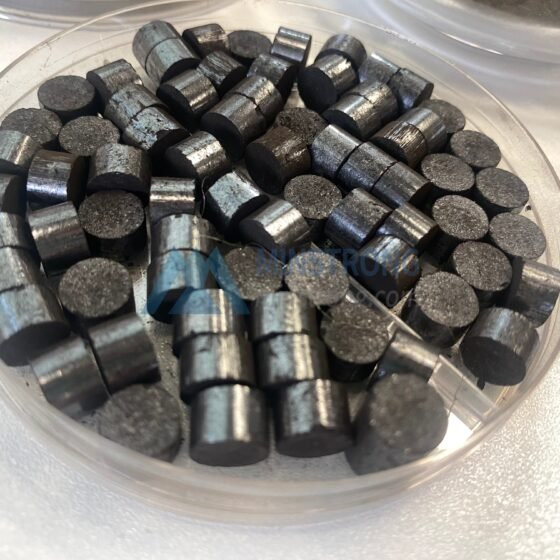
VOC katalizátor
1. Miért nélkülözhetetlen az ésszerű pórusszerkezet a VOC katalitikus oxidációjához??
A VOC katalitikus oxidáció több lépésből áll: a reagensek migrációja a gáztömbből a katalizátor felületére, adszorpció, felületi reakció, valamint a termékek deszorpciója és kifelé történő diffúziója.
Az iparban széles körben használt porózus katalizátorokhoz, az igazán aktív helyek nem mind láthatók a külső felületen. Ellenkezőleg, nagyszámú aktív régió található a részecskék vagy hordozók belső póruscsatornáin belül.
Így, A VOC molekuláknak simán be kell jutniuk a pórusokba. Az oxigénnek egyszerre kell eljutnia az aktív régiókhoz. A keletkezett szén-dioxidnak és víznek időben el kell távoznia. Mindezek a folyamatok közvetlenül a pórusszerkezet geometriai jellemzőitől függenek.
A katalizátor pórusait tömegátviteli csatornáknak tekintheti, amelyek lehetővé teszik a gáz bejutását a belső aktív régiókba. Ha a pórusok túl szűkek, túl kanyargós, vagy rosszul csatlakoztatva, még egy rendkívül nagy elméleti fajlagos felülettel rendelkező anyag is megnehezíti a VOC molekulák számára a belső aktív helyek teljes kihasználását.
Más szóval, a katalizátor tényleges reakcióhatékonysága nemcsak attól függ “hány aktív oldal van,” de ami még fontosabb rajta hány ilyen aktív hely kerülhet valódi kapcsolatba és hasznosítható a VOC-molekulákkal.
2. A nagyobb fajlagos felület mindig nagyobb VOC eltávolítási hatékonyságot garantál??
Nem feltétlenül. A fajlagos felület fontos mutató a porózus katalitikus anyagok értékeléséhez. A nagyobb fajlagos felület általában kedvez az aktív komponensek diszperziójának, és nagyobb gáz-szilárd érintkezési felületet biztosít. Viszont, nem egyenlő közvetlenül a VOC-eltávolítási hatékonysággal.
Vegyünk egy tipikus ellenpéldát: két katalitikus anyag, rendre nagyobb, illetve kisebb BET fajlagos felülettel. A nagyobb felületű anyag nagyszámú nagyon szűk mikropórust tartalmazhat (pórusméret <0.6 nm). Ha a cél VOC o-xilol (kinetikus átmérője ~0,68 nm), ezekbe a mikropórusokba nem lehet hatékonyan belépni. A felület jelentős része elérhetetlen marad a reakció számára.
Ezzel szemben, katalizátor nem különösebben nagy fajlagos felülettel, de jó pórusösszekötő képességgel és megfelelő pórusméret-eloszlással (például, túlnyomórészt 5-10 nm-es mezopórusok) sokkal magasabb aktív telephely-kihasználást mutathatnak tényleges gázáramlási körülmények között.
Ezért, a VOC katalizátorok értékelésekor, a BET fajlagos felületet együtt kell elemeznie pórustérfogat, pórusméret-eloszlás, pórusösszeköthetőség, és az aktív komponensek diszperziós állapota. Ne használja önmagában a katalitikus teljesítmény megítélésének alapjául.
3. Milyen szerepet töltenek be a mikropórusok, mezopórusok, illetve makropórusok játszanak?
Az általános IUPAC besorolás szerint, pórusok, amelyek átmérője nem haladja meg a kb 2 nm mikropórusok. A 2-50 nm tartományba esők mezopórusok. A kb 50 nm makropórusok. Ez a három pórustípus határozottan eltérő funkciót tölt be a VOC katalitikus oxidációjában.
A mikropórusok kiemelkedő előnyt nyújtanak: rendkívül nagy fajlagos felület. Ez ideális feltételeket biztosít az aktív komponensek, például nemesfémek vagy átmenetifém-oxidok nagy diszperziós terheléséhez.
Viszont, amikor a pórusméret megközelíti vagy kisebb lesz, mint a VOC-molekulák átmérője, a molekulák óriási diffúziós ellenállással szembesülnek, amikor belépnek a pórusokba. Nagyobb VOC molekulákhoz (például, xilolok, trimetil-benzolok), a diffúziós együttható a mikropórusokban több nagyságrenddel is csökkenhet. Számos aktív webhely válik hatékonyvá “eltemették” és nem tud működni.
A mezopórusok általában viszonylag ésszerű egyensúlyt érnek el a fajlagos felület és a molekuláris diffúzió között. A 2–50 nm közötti pórusméret-tartomány sokkal nagyobb, mint a legtöbb VOC-molekula kinetikai átmérője. A reaktáns molekulák szabadon diffundálhatnak a pórusokon belül.
A mezopórusos anyagok viszonylag nagy felülettel és hangolható pórusmérettel rendelkeznek. Helyet biztosítanak az aktív komponensek diszperziójához, miközben biztosítják a gyors molekuláris diffúziót. Ezért széles körben értékelik őket a VOC katalitikus oxidációs rendszerekben.
Makropórusok (>50 nm) szinte nincs tömegátviteli ellenállásuk. A molekulák szabadon be- és kiléphetnek. Viszont, fajlagos felületük meredeken csökken, ami nem elegendő az aktív oldalak betöltéséhez rendelkezésre álló területhez. Így, a tényleges katalizátor tervezésben, A makropórusok jellemzően nem a fő pórusszerkezetként, hanem mint “gyors csatornák” hierarchikus struktúrákban a mezopórusok és mikropórusok segítésére.
Hangsúlyozzuk, hogy a fenti besorolás a pórusméret-skálákat írja le, és nem jelenti azt, hogy a pórusméret bármely típusa abszolút jobb minden VOC-csökkentési körülmény között.. A tényleges teljesítmény továbbra is a VOC molekuláris méretétől függ, katalizátor összetétel, és működési feltételek.
| Pórusszerkezet | Pórusméret tartomány | Főbb jellemzők | Hatás a VOC katalitikus oxidációjára |
|---|---|---|---|
| Mikropórusok | ≤2 nm | Jellemzően nagy fajlagos felület | Kedvező az adszorpcióra, de egyes nagyobb VOC-molekulák diffúziója korlátozott lehet |
| Mezopórusok | 2-50 nm | Kiegyensúlyozott felület és tömegátviteli teljesítmény | Előnyös a VOC belső aktív régiókba való bejutásához |
| Makropórusok | >50 nm | Alacsony gázdiffúziós ellenállás | Megkönnyíti a gyors tömegátadást, de a túlzott mennyiség csökkentheti a teljes fajlagos felületet |
| Hierarchikus pórusok | Több pórusméret együtt létezik | Többléptékű pórusszinergia | Kombinálhatja a gyors gázszállítást a belső aktív telephelyi felhasználással |
4. Miért kulcsfontosságú a pórusméret és a VOC molekulaméret egyeztetése??
A VOC molekulák csak akkor tudnak bejutni a katalizátor pórusaiba és hatékonyan diffundálni, ha az effektív pórusméret meghaladja a molekula kinetikai átmérőjét. Egyébként, komoly akadályokba ütköznek.
Ez az illeszkedési kapcsolat különösen nyilvánvaló a gyakorlati alkalmazásokban. A benzol kinetikai átmérője kb 0.58 nm. A toluolnak kb 0.67 nm. Az o-xilolnak kb 0.68 nm.
A hagyományos mikropórusos zeolitok, például a ZSM-5 pórusmérete jellemzően 0,5–0,7 nm tartományban van.. Ez azt jelenti, hogy a benzol és a toluol egyszerűen bejuthat, de a nagyobb molekulák, például az o-xilol súlyos diffúziós akadályokba ütköznek.
Peng Honggen professzor csapatának a Nanchang Egyetemen végzett kutatása megerősítette ezt. A tiszta mikroporózus Pt@S-1 katalizátorhoz 179°C szükséges a T90-hez (90% konverziós hőmérséklet) o-xilolból. Az intrakristályos mezopórusok bevezetése után, a diffúziós korlátozás azonos hőmérsékleten jelentősen enyhíti. A T90 hőmérséklete 159 °C-ra csökken.
Az ipari kipufogógázok általában nem egyetlen VOC-t, hanem több fajtát tartalmaznak, eltérő molekulamérettel, polaritások, és volatilitás. Így, nem ajánlhat egyszerűen egyet “optimális pórusméret” minden VOC katalizátorra alkalmazható.
A tényleges kiválasztásban, először azonosítsa a kipufogógáz fő VOC összetevőit. Ezután értékelje a katalizátor pórusméret-eloszlását. Ha a kipufogógáz több különböző méretű VOC-molekulát tartalmaz, a többszörös pórusméretű skálákkal rendelkező hierarchikus pórusstruktúrák gyakran jobban figyelemre méltóak, mint az egyetlen pórusméret-eloszlás.
5. Hogyan építenek fel hatékony tömegátviteli hálózatot a hierarchikus pórusstruktúrák??
A hierarchikus pórusstruktúra egy tömegátviteli hálózatot képvisel, amelyet különböző léptékű, egymással összekapcsolt pórusok alkotnak.. A nagyobb makropórusok úgy viselkednek “autópályák” a gáz gyors bejutásához a katalizátor belsejébe. A mezopórusok tovább irányítják a gázt a belső aktív régiókba. A mikropórusok nagy sűrűségű felületaktív helyeket biztosítanak.
Mindhárman együtt dolgoznak a munkamegosztás – a gyors szállítás – megvalósításán, hatékony elosztás, és nagy sűrűségű reakció – egyetlen katalizátorrészecskén belül.
A többkomponensű VOC-folyamok előnyei
Többkomponensű VOC-folyamokhoz, ez a szerkezet különösen fontos. A különböző VOC-molekulák különböző sebességgel diffundálnak a pórusokon belül. Ha a tömegátviteli útvonal túl egyedi, egyes komponensek előnyösen elérhetik az aktív régiókat, míg mások diffúziós korlátokat szenvednek. Ez a teljes eltávolítási hatékonyság kiegyensúlyozatlanságához vezet.
Hierarchikus pórusszerkezetek, több léptékű párhuzamos tömegátviteli utakat kínálva, lehetővé teszik a különböző méretű molekulák számára, hogy megtalálják a számukra megfelelő diffúziós csatornákat.
Gyakorlati bizonyíték
A gyakorlati adatok erősen alátámasztják ezt a tervezési koncepciót. Az 5Cu/ZSM-5-A katalizátor hierarchikus pórusokkal, savas kezeléssel építettek fel fajlagos felületet 514.6 m²/g, miközben szelektíven hoz létre hierarchikus mezopórusokat.
150°C-on, ez a katalizátor toluol adszorpciós kapacitást ért el 23.3 mg/g és a CO2 hozam 84.9%. A Pt@S-1-meso forgási gyakorisága elérte a 2,34×10⁻² s⁻¹ értéket. Ez jelentősen felülmúlja a hagyományos mikroporózus zeolitok 1,22 × 10⁻² s-¹ értékét. Ez a közel megkétszereződött aktivitásjavulás pontosan a mezopórusok által biztosított tömegtranszfer-javításból ered.
6. Miért támasztanak szigorúbb követelményeket a nagy térsebességek és a valós körülmények a pórusszerkezetekkel szemben??
Ipari VOC-csökkentésben, A térsebesség az egyik legfontosabb folyamatparaméter, amely befolyásolja a katalizátor teljesítményét. Ahogy nő a térsebesség, a katalizátorágyon egységnyi idő alatt áthaladó gáz térfogata megemelkedik. Ennek megfelelően lerövidül a gáz reakciózónában való tartózkodási ideje.
Ha a VOC molekulák túl lassan jutnak be a belső pórusokba, jelentős belső diffúziós korlátozás léphet fel. A külső felület gyorsan reagálhat, miközben a pórusokon belüli aktív helyek kihasználtsága meredeken csökken.
Nagy térsebesség
Így, a nagy térsebességű alkalmazások nagyobb figyelmet igényelnek pórusösszeköthetőség, hatékony diffúziós utak, és az aktív oldalak elérhetősége. Hierarchikus pórusszerkezetek, mert kis ellenállású fő tömegátviteli csatornákat biztosítanak, stabilabb eltávolítási hatékonyságot tartanak fenn nagy térsebesség mellett a tisztán mikroporózus anyagokhoz képest.
Szennyeződések és vízgőz
Az ipari VOC-áramok gyakran vízgőzt és együtt létező anyagokat, például kén- és klórvegyületeket is tartalmaznak. A vízmolekulák versenyezhetnek az illékony szerves vegyületekkel a felületi adszorpciós helyekért, és megváltoztathatják a katalizátor felületi állapotát.
Bizonyos szennyeződések befedhetik vagy megmérgezhetik az aktív helyeket, csökkenti a reakcióban részt vevő régiók számát. Ha maguk a pórusok viszonylag szűkek, az adszorbeált fajok vagy lerakódások tovább növelhetik a tömegátviteli ellenállást.
Ezért, A katalizátor pórusszerkezetének értékelése nem korlátozódhat a száraz körülmények közötti kezdeti teljesítményre. Figyelembe kell vennie a tényleges páratartalmat és az együtt létező szennyező anyagok jelenlétét is.
7. Hogyan lehet megítélni, hogy egy VOC-katalizátor pórusszerkezete ésszerű-e??
Műszaki szakemberek számára, nem elegendő egyszerűen egyetlen BET fajlagos felületi értéket kérni a szállítóktól. Minimum, átfogóan figyelembe kell vennie a következő mutatókat:
- Fajlagos felület: Azt jelzi, hogy az anyag mekkora felületet tud biztosítani, de ne használja önmagában a katalitikus teljesítmény megítélésének alapjául.
- Pórustérfogat: A belső pórusok gázmolekulák befogadó képességét tükrözi, és kapcsolódik a pórusszerkezet általános jellemzőihez.
- Pórusméret-eloszlás: Informatívabb, mint egyetlen átlagos pórusméret; feltárja a mikropórusok arányait, mezopórusok, és makropórusok.
- Az aktív komponensek diszperziója: Még akkor is, ha a támaszték jó pórusszerkezetű, az aktív komponensek jelentős agglomerációja blokkolhat egyes pórusokat és csökkentheti az aktív helyek mennyiségét.
- Tömegátviteli teljesítmény tényleges működési feltételek mellett: Ezt a VOC-koncentrációval kombinálva kell tesztelni, térsebesség, hőmérséklet, és páratartalom, ahelyett, hogy csak az anyagjellemző adatokat hasonlítaná össze.
Ezért, a VOC katalizátorok beszerzése vagy értékelése során, szét lehet választani “anyag jellemzése” és “teljesítmény üzemi körülmények között” két szintre. Az előbbi arra ad választ, hogy milyen szerkezetű a katalizátor. Ez utóbbi választ ad arra, hogy ez a szerkezet valóban működőképes-e a valós működésben.
8. Racionálisabb megközelítés a VOC katalizátorok értékeléséhez
Ha a cél az ipari VOC kipufogógáz kezelése, az értékeléshez a következő logikát használhatja:
- Első, nézd meg a VOC összetételét: Határozza meg a fő VOC-fajokat és koncentráció-tartományukat a kipufogógázban.
- Második, vizsgálja meg a működési feltételeket: Határozza meg a hőmérsékletet, nedvesség, térsebesség, és más együtt létező komponensek.
- Végül, ítélje meg, hogy a pórusszerkezet egyezik-e: A VOC molekuláris jellemzői és a reakciókörülmények alapján, elemezze a katalizátorhoz szükséges pórusméret-eloszlást.
Például, nagyobb szerves molekulákat tartalmazó kipufogógázokhoz, nem szabad egyszerűen törekedni a mikropórusok nagy arányára. Helyette, összpontosítani a molekulák azon képességére, hogy bejussanak a pórusokba.
Nagy térsebességű rendszerekhez, A pórusok összekapcsolhatósága és az általános tömegátviteli hatékonyság kritikusabb. Magas páratartalmú patakokhoz, tovább vizsgálja a vízgőz hatását a felületaktív helyekre és a pórustranszportra.
Ez az értékelési megközelítés sokkal közelebb áll az ipari valósághoz, mint az egyszerű összehasonlítás “akinek nagyobb a fajlagos felülete.”
9. A pórusszerkezet nem az egyetlen tényező, amely meghatározza a VOC eltávolítási hatékonyságot
Hangsúlyoznunk kell, hogy a pórusszerkezet csak egy változó a VOC katalizátorok általános teljesítményrendszerében. A VOC végleges eltávolítási hatékonysága az aktív komponensek típusától is függ, az aktív oldalak száma és jellege, redox képesség, felületi sav-bázis tulajdonságok, VOC összetétel, reakció hőmérséklet, térsebesség, oxigénkoncentráció, és vízgőzt, egyéb tényezők között.
Hordozott katalizátorokhoz, A pórusszerkezet tovább befolyásolja az aktív komponensek diszperzióját és stabilitását. A porózus hordozók nemcsak nagy felületet biztosítanak, hanem javítják az aktív komponensek diszperzióját is. A hordozó és az aktív fajok közötti kölcsönhatások révén befolyásolják a katalitikus teljesítményt is.
Ezért, amit valóban optimalizálni kell, az nem egyetlen elszigetelt mutató, hanem inkább a illeszkedési kapcsolat a pórusszerkezet között, aktív oldalak, és a tényleges reakciókörülmények.
10. A pórusszerkezet értékelése: a kulcs a hatékony felhasználás
A lényeg, hogy a katalizátor pórusszerkezete hogyan befolyásolja a VOC eltávolítási hatékonyságot, egy kérdésre redukálódik: a VOC-molekulák kellően nagy sebességgel érik-e el az igazán hatékony aktív helyeket, és a reakciótermékek simán távozhatnak?
A nagy fajlagos felület nagyobb felületet biztosíthat, de ha a pórusok hozzáférhetetlenek vagy a diffúziós ellenállás túl nagy, hogy a felület nem minden esetben váltható át hatékony katalitikus kapacitássá. Mikropórusok, mezopórusok, és a makropórusoknak mindegyiknek megvan a maga szerepe. Egy jól megtervezett hierarchikus pórusszerkezet jobb egyensúlyt teremthet a felület és a tömegátviteli hatékonyság között.
Ezért, valódi VOC-csökkentési projektekben, annak megítélésekor, hogy a katalizátor pórusszerkezete ésszerű-e, több dimenziót is figyelembe kell venni, beleértve VOC molekuláris tulajdonságai, pórusméret-eloszlás, pórusösszeköthetőség, aktív komponensű diszperzió, térsebesség, hőmérséklet, és páratartalom.
Mérnöki alkalmazásokhoz, nem az számít igazán, hogy egy adott laboratóriumi jellemzési mutató kiemelkedik, hanem az aktív telephely magas kihasználtságának fenntartásának képessége, alacsony tömegátviteli ellenállás, és stabil, hosszú távú teljesítmény a tényleges működési feltételek mellett.
szerző: Gloria
dátum:2026/8/21
WeChat
Olvassa be a QR-kódot a WeChat segítségével