 Minslite serija katalizatora za uklanjanje ozona/CO/VOC-a
Ozone (O₃) is divided into beneficial stratospheric ozone and harmful ground-level ozone. The latter is generated by anthropogenic pollution and natural reactions; excessive presence can harm human health, damage equipment and materials, and affect production compliance. This article discusses ozone sources, types of ozone requiring treatment, core hazards, and professional treatment solutions, precisely addressing the pain points of enterprises and individuals in ozone control, helping to achieve compliant emissions and environmental safety, and detailing the necessity and scientific methods of ozone treatment.
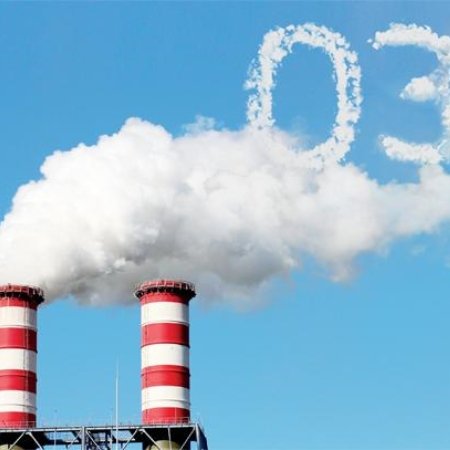
Ozone is a pale blue gas composed of three oxygen atoms, with a distinctive fishy odor. It is widely present in the Earth’s atmosphere, but its different forms have drastically different effects. Not all ozone requires treatment; accurate differentiation is a prerequisite for scientific governance. The stratospheric ozone layer (ozone layer) accounts for 90% of the Earth’s total ozone. It absorbs ultraviolet radiation from the sun, protecting life on Earth from harm—an indispensable “protective umbrella.” However, the near-surface ozone layer (tropospheric ozone), which accounts for only 10% of the total, is a more critical area requiring attention and has become a “hidden killer” affecting the environment and safety.
The sources of near-surface ozone are mainly divided into two categories: natural sources are generated by ultraviolet radiation irradiating oxygen molecules, but these are small in quantity and easily decompose. Anthropogenic sources are the main cause. Industrial production (such as ozone generator leaks and chemical reactions), vehicle exhaust, and the reaction of volatile organic compounds (VOCs) with nitrogen oxides all generate large amounts of ozone. Ozone concentrations are particularly prone to exceed standards in industrial workshops, newly renovated spaces, and water treatment plants, which is a core pain point for businesses and individuals.
The dangers of excessive near-ground ozone are far greater than imagined, directly addressing the core concerns of potential buyers: For humans, as a strong oxidant, it irritates the respiratory tract, causing sore throat, chest tightness, and shortness of breath; long-term exposure can damage cardiopulmonary function, accelerate skin aging, and even induce a decline in immune function. For businesses, ozone corrodes equipment and ages rubber products, leading to equipment wear and tear, and also violates the Ministry of Ecology and Environment’s ozone emission limits (≤0.1mg/m³), facing compliance penalties. For the environment, it leads to reduced crop yields and disrupts the ecological balance.
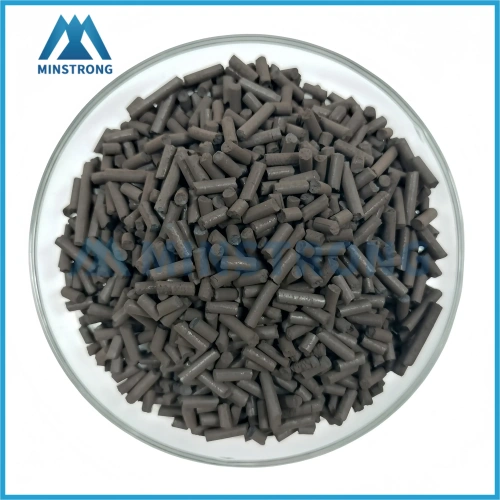
ozone decomposition catalyst
To address the problem of excessive ozone levels, selecting a highly efficient ozone decomposition catalyst is a scientific and economical core solution, adaptable to ozone control needs in various scenarios, and precisely addressing the core pain points of businesses and individuals. Ozone decomposition catalysts can directly catalytically decompose ozone (O₃) into harmless oxygen (O₂), without secondary pollution or additional energy consumption. They are suitable for various industrial and commercial scenarios: In industrial settings (such as ozone generator exhaust treatment, chemical workshops, and water treatment plants), dedicated ozone decomposition catalyst modules can be used to efficiently decompose ozone in exhaust gases, easily meeting the Ministry of Ecology and Environment’s emission limits (≤0.1mg/m³), avoiding equipment corrosion and compliance penalties; in commercial settings (such as shopping malls and hospitals), ozone decomposition catalysts can be integrated into purification equipment to decompose excess ozone in the environment in real time; in residential settings (newly renovated homes), small ozone decomposition catalyst components can quickly remove residual ozone from renovations, protecting residents’ health. Compared to traditional treatment methods, ozone decomposition catalysts have advantages such as long service life, high decomposition efficiency, and convenient maintenance. They can solve the problem of excessive ozone at its source, helping enterprises reduce treatment costs and avoid compliance risks, while creating a safe and harmless environment for individuals.
Whether it’s the pressure on businesses to comply with ozone emission standards and the pain points of equipment wear and tear, or individuals’ needs for a healthy environment, addressing excess ground-level ozone is a necessity. Ozone decomposition catalysts, as a highly efficient, environmentally friendly, and low-cost core for ozone control, are perfectly suited to various ozone control needs, eliminating ozone hazards at their source. If you are troubled by issues such as excessive ozone levels, high treatment costs, and difficulty in achieving compliance, you can consult us at any time to obtain ozone decomposition catalysts and customized treatment solutions tailored to your specific situation, safeguarding environmental safety, production compliance, and human health.
author:kaka
date:2026/3/31
WeChat
Skenirajte QR kod s WeChatom