 Minslite serija katalizatora za uklanjanje ozona/CO/VOC-a
Trovanje katalizatorom je fenomen svojstven prirodi katalize. Teoretski, postoji jasna mogućnost trovanja, a iznimno je čest u stvarnoj industrijskoj proizvodnji i kemijskim reakcijama. Srž trovanja katalizatora je nepovratna ili reverzibilna kombinacija otrova s aktivnim mjestima katalizatora, što dovodi do smanjenja katalitičke aktivnosti ili čak do potpune deaktivacije. Različitim vrstama otrova odgovaraju različite vrste katalizatora. Preventivne mjere kao što je rano otkrivanje otrova, optimizacija reakcijskog sustava, a redovito održavanje katalizatora može učinkovito smanjiti pojavu trovanja. Ako ipak dođe do trovanja, može se izvršiti regeneracija ili zamjena katalizatora ovisno o vrsti trovanja kako bi se povratila učinkovitost reakcije.
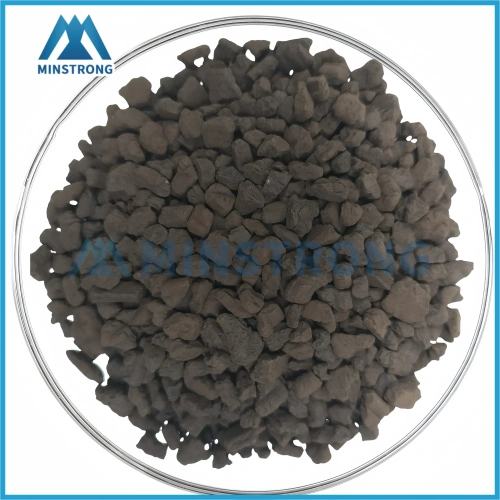
Katalizator minimalnog uništavanja ozona
ja. Teorijska perspektiva: Zašto se katalizatori truju?
Iz perspektive principa katalize, uloga katalizatora je osigurati aktivna mjesta, smanjiti aktivacijsku energiju reakcije, i ubrzati reakciju. Aktivna mjesta su ključne komponente katalizatora, a njihov broj i struktura izravno određuju katalitičku aktivnost. Teoretski, kada određene tvari (tj., otrovi) prisutni u reakcijskom sustavu, te će molekule otrova stupiti u interakciju s aktivnim mjestima katalizatora. Ova interakcija uglavnom spada u dvije kategorije: reverzibilni i nepovratni. Prvi, molekule otrova privremeno zauzimaju aktivno mjesto; nakon prestanka reakcije ili uklanjanja otrova, aktivno mjesto ponovno dobiva svoju aktivnost, predstavlja privremeno trovanje. Drugi, dolazi do nepovratne interakcije, gdje molekule otrova kemijski reagiraju s aktivnim mjestom, uništavajući njegovu strukturu ili sastav i dovodeći do trajne deaktivacije, predstavlja trajno trovanje. Stoga, teoretski, katalizatori su osjetljivi na trovanje, u biti jer su aktivna mjesta poremećena ili uništena, onemogućujući ispravno funkcioniranje katalizatora.
II. Praktične primjene: Uobičajene situacije i manifestacije trovanja katalizatorom
U stvarnoj industrijskoj proizvodnji (kao što su kemijska sinteza, obrada otpadnih plinova, i preradu nafte) i razne kemijske reakcije, trovanje katalizatorom je relativno česta pojava, a manifestacije trovanja i vrste otrova variraju ovisno o specifičnom scenariju. Uobičajeni otrovi uglavnom se dijele u tri kategorije: Prvi, metalni otrovi, kao što su olovo, Merkur, i arsena, često se nalaze u rafinerijama nafte i kemijskim sirovinama. Snažno se vežu za aktivna mjesta metalnih katalizatora (kao što su platina, paladij, i nikla), dovodi do trajnog trovanja. Drugi, nemetalni otrovi, kao što su sumpor, fosfor, i klor, često se nalaze u reakcijskim sirovinama ili nečistoćama. Oni kemijski reagiraju s aktivnim mjestima katalizatora, uništavanje aktivne strukture. Treći, otrovi za naslage ugljika, koji su nusprodukti (kao što je koks) nastali tijekom reakcije koji se nakupljaju na površini aktivnih mjesta, zaklanjajući ih i uzrokujući privremeno trovanje. Specifične manifestacije trovanja uključuju: značajno smanjenje brzine reakcije, smanjena stopa konverzije proizvoda, i povećane nusprodukte. U teškim slučajevima, katalizator je potpuno deaktiviran i ne može dalje sudjelovati u reakciji, zahtijevaju zaustavljanje proizvodnje radi liječenja.
III. Rješenja i strategije prevencije u vezi s trovanjem katalizatorom, načelo “prevencija prije svega, liječenje drugo” treba se pridržavati. Treba poduzeti ciljane mjere na temelju stvarnog scenarija reakcije kako bi se smanjila vjerojatnost trovanja i minimizirali gubici.
U smislu prevencije, jezgra je smanjiti ulazak otrova u reakcijski sustav i zaštititi aktivna mjesta katalizatora: Prvi, strogo kontrolirati čistoću reakcijskih sirovina i prethodno ih tretirati kako bi se uklonile otrovne nečistoće poput sumpora, fosfor, i teški metali; drugi, optimizirati reakcijske uvjete, kao što je kontroliranje temperature reakcije, pritisak, i koncentracija reaktanta za smanjenje stvaranja nusproizvoda (kao što su naslage ugljika); treći, odaberite katalizatore s većom otpornošću na trovanje, probir za katalizatore sa stabilnim strukturama aktivnih mjesta i koji se ne vežu lako za otrove, na temelju vrste reakcije i vrste otrova.
U pogledu rješenja, potrebno je ciljano liječenje ovisno o vrsti trovanja: Za privremeno trovanje (kao što je trovanje naslagama ugljika), otrovi na površini aktivnih mjesta mogu se ukloniti pečenjem na visokoj temperaturi, pročišćavanje, i čišćenje otapalom za obnavljanje aktivnosti katalizatora; za trajno trovanje, ako su aktivna mjesta katalizatora oštećena i ne mogu se obnoviti regeneracijom, novi katalizator mora se odmah zamijeniti, a izvor otrova mora se istražiti kako bi se spriječilo ponavljanje. Osim toga, redovito testiranje i održavanje katalizatora, pravovremeno otkrivanje znakova pada aktivnosti, a proaktivna intervencija može učinkovito produžiti životni vijek katalizatora.
IV. Dodatno objašnjenje: Razlika između trovanja i deaktivacije katalizatora
Važno je napomenuti da je trovanje katalizatorom uobičajena vrsta deaktivacije katalizatora, nije sva deaktivacija katalizatora uzrokovana trovanjem. Deaktivacija katalizatora također uključuje toplinsku deaktivaciju (visoke temperature koje uzrokuju oštećenje strukture aktivnog centra) i deaktivacija abrazije (fizičko trošenje koje dovodi do gubitka aktivnih centara). Temeljna karakteristika deaktivacije trovanja je prisutnost određenog agensa trovanja, izravno povezan s aktivnim središtem. Razumijevanje razlike između to dvoje pomaže stručnjacima da točno utvrde uzrok deaktivacije, poduzeti preciznije mjere, i izbjeći gubitke u proizvodnji zbog pogrešne procjene.
autor:kaka
datum:2026/5/18
WeChat
Skenirajte QR kod s WeChatom