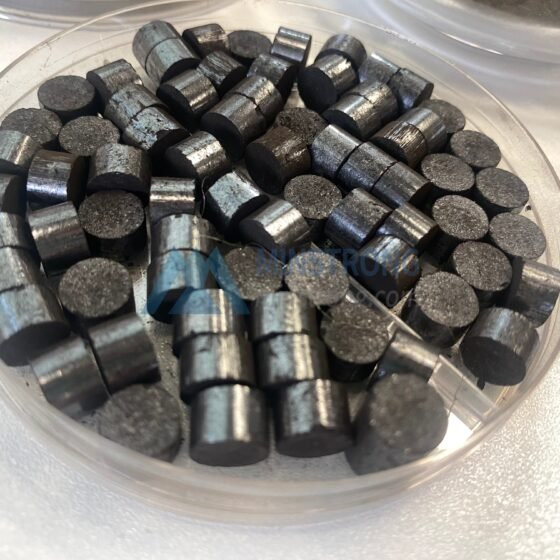
 Minslite Series Catalysts para sa Pag-alis ng Ozone/CO/VOC
ako. Pangunahing Mekanismo ng Pagbaba ng Pagganap
Sa panahon ng operasyon, Ang mga ozone decomposition catalyst ay patuloy na nagko-convert ng ozone (O₃) sa oxygen (O₂) sa mga aktibong site sa ibabaw ng catalyst. Kahit na ang reaksyon mismo ay hindi kumakain ng katalista, ang matagal na pagkakalantad sa kumplikadong mga kondisyon ng operating ay unti-unting binabawasan ang catalytic na kahusayan. Ang pag-unawa sa mga mekanismo ng pagkasira ay isang kinakailangan para sa pagpapabuti ng pangmatagalang katatagan.
(1) Pag-block at Pagkawala ng Mga Aktibong Site
Ang reaksyon ng ozone decomposition ay umaasa sa mga aktibong sentro sa ibabaw ng katalista. Pagkuha ng manganese-based oxides (MnOx) bilang halimbawa, mga bakanteng oxygen ay nakumpirma bilang pangunahing aktibong site para sa ozone adsorption at catalytic decomposition. Gayunpaman, sa panahon ng ozone decomposition sa ibabaw ng MnOx, mga species ng peroxide (O₂²⁻) unti-unting naipon sa mga aktibong site na ito. Kapag ang mga species ng peroxide ay hindi agad na-desorbed, patuloy nilang sinasakop ang mga bakanteng oxygen, hadlangan ang kasunod na ozone adsorption at activation. Ipinakikita ng mga pag-aaral na ang akumulasyon ng naturang surface-adsorbed oxygen species ay isang pangunahing dahilan ng pagbaba ng aktibidad sa Mn-based catalysts.
(2) Water‑Vapor‑Induced Deactivation
Ang singaw ng tubig ay isa sa mga pinakakaraniwang hamon na kinakaharap ng ozone decomposition catalysts sa mga praktikal na aplikasyon. Mga molekula ng tubig, na may istrukturang kemikal na katulad ng ozone, competitively adsorb sa mga lugar na bakanteng oxygen laban sa ozone. Sa ilalim ng mga kondisyon ng mataas na kahalumigmigan (relatibong halumigmig RH = 90%), ang pag-deactivate ng ilang MnOx catalysts ay partikular na binibigkas. Ang mga molekula ng tubig ay hindi lamang pisikal na humaharang sa mga aktibong site ngunit binabago din ang elektronikong istraktura ng ibabaw ng catalyst, binabawasan ang kadaliang kumilos ng mga species ng oxygen at nagiging sanhi ng patuloy na pagbaba sa rate ng reaksyon.
(3) Hindi Maibabalik na Pinsala mula sa Mga Dumi
Mga dumi sa hangin, tulad ng SO₂, alikabok, at ambon ng langis, nagbabanta din sa katatagan ng katalista. Ang pagkuha ng SO₂ bilang isang halimbawa, ito ay madaling sumisipsip sa ibabaw ng MnOx‑CeO₂ catalyst at higit na na-oxidize sa sulfate (SO₄²⁻) sa tulong ng ozone, humahantong sa sabay-sabay na pagbawas sa tiyak na lugar sa ibabaw, mababang-temperatura reducibility, at konsentrasyon ng oxygen-vacancy, na nagreresulta sa hindi maibabalik na pag-deactivate.
II. Mga Pangunahing Salik na Nakakaapekto sa Pangmatagalang Katatagan
2.1 Intrinsic Stability ng Active Components
Ang aktibong sangkap ay ang pangunahing determinant ng pagganap ng katalista. Kabilang sa mga karaniwang ginagamit na aktibong materyales ang manganese dioxide (MnO₂), tansong oksido (CuO), kobalt oksido (Co₃O₄), at pinaghalong metal oxides.
Ang iba't ibang mga yugto ng kristal ay may makabuluhang magkakaibang epekto sa katatagan. Kabilang sa iba't ibang MnO₂ polymorph, ε‑MnO₂ may pinakamababang oxygen‑vacancy formation energy at ang pinakamababang desorption energy para sa O₂²⁻, ibig sabihin ay mas madaling makapagbigay at makapag-regenerate ng mga bakanteng oxygen sa panahon ng catalysis, sa gayon ay nagpapakita ng mahusay na pangmatagalang pagganap ng agnas. Sa kabaligtaran, Ang mga phase na may mas mataas na oxygen-vacancy formation energies ay mas madaling ma-deactivate dahil sa akumulasyon ng peroxide.
Ang antas ng nano-structuring ng mga aktibong sangkap ay nangangailangan din ng maingat na pagbabalanse. Habang ang nanostructuring ay nagbibigay ng mas reaktibong mga site, ang mga nanoparticle ay may posibilidad na mag-agglomerate sa panahon ng matagal na operasyon kung wala silang matatag na suporta sa istruktura, na nagreresulta sa isang pagbaba sa epektibong tiyak na lugar sa ibabaw.
2.2 Istruktura ng Suporta at Mass‑Transfer Efficiency
Ang suporta ay hindi lamang nagpapakalat ng mga aktibong sangkap ngunit direktang nakakaapekto sa kahusayan ng pagsasabog ng gas at lakas ng makina. Ang mga de-kalidad na suporta ay karaniwang nangangailangan ng isang malaking partikular na lugar sa ibabaw, makatwirang pamamahagi ng laki ng butas, at magandang thermal stability.
Ang disenyo ng pore-structure ay partikular na kritikal. Ang mga pores na masyadong maliit ay nagpapataas ng resistensya ng pagsasabog ng gas, ginagawang mahirap para sa mga molekula ng ozone na maabot ang mga aktibong site sa loob ng katalista; ang mga pores na masyadong malaki ay maaaring mabawasan ang density ng mga aktibong site sa bawat unit volume, nakakaapekto sa pangkalahatang kahusayan ng catalytic. Sa mga pang-industriyang aplikasyon, ang istraktura ng suportang butas ay dapat na tumugma sa aktwal na mga kondisyon ng daloy ng gas at mga kinakailangan sa bilis ng espasyo upang balansehin ang kahusayan ng mass-transfer at pagpapanatili ng aktibidad.
2.3 Operating Environmental Conditions
Ang temperatura at halumigmig ay dalawang pangunahing variable sa kapaligiran na nakakaapekto sa buhay ng katalista. Sa mababang temperatura (hal., 0°C), ang ilang mga catalyst ay nagpapakita ng makabuluhang limitadong aktibidad; ang matagal na operasyon na may mataas na temperatura ay maaaring magdulot ng sintering ng mga aktibong sangkap, humahantong sa hindi maibabalik na pagkawala ng tiyak na lugar sa ibabaw.
Ang epekto ng kahalumigmigan ay mas kumplikado. Sa mababang kahalumigmigan, Ang mga molekula ng tubig ay pangunahing kumikilos bilang mga mapagkumpitensyang adsorbate; gayunpaman, sa ilang materyal na sistema, ang isang naaangkop na dami ng tubig ay maaaring aktwal na lumahok sa ikot ng reaksyon at isulong ang pagbabagong-buhay ng mga aktibong site. Gayunpaman, sa pangkalahatan, mataas na kahalumigmigan (RH > 80%) nagdudulot ng matinding hamon sa karamihan ng mga ozone decomposition catalyst.
2.4 Proseso ng Paghahanda at Kontrol sa Kalidad
Direktang tinutukoy ng proseso ng paghahanda ang paunang istraktura at pangmatagalang katatagan ng catalyst. Mga salik tulad ng paraan ng paglo-load ng aktibong bahagi, temperatura at tagal ng calcination, proseso ng paghubog, at promotor karagdagan ratio lahat ay makabuluhang nakakaapekto sa istraktura ng butas ng butas ng huling produkto, pagpapakalat ng aktibong sangkap, at mekanikal na lakas.
Pagkuha ng temperatura ng calcination bilang isang halimbawa, ang isang α‑MnO₂ monolithic catalyst ay nakakamit ng pinakamainam na aktibidad—na may ozone conversion na 99%—pagkatapos ng calcination sa 400°C para sa 3 oras. Masyadong mababa ang temperatura ay maaaring mabigo upang ganap na maisaaktibo ang mga aktibong sangkap, habang ang masyadong mataas na temperatura ay maaaring magdulot ng particle sintering. Ang isang matatag na proseso ng produksyon ay isang kinakailangan para sa pagtiyak ng pagkakapare-pareho ng pagganap ng batch-to-batch.
III. Mga Teknikal na Pagdulog para Pahusayin ang Pangmatagalang Katatagan
3.1 Pag-tune ng Oxygen-Vacancy
Ang mga bakanteng oxygen ay ang pangunahing aktibong site para sa pagkabulok ng ozone. Ang makatwirang pag-tune ng kanilang konsentrasyon at mga katangian ay isang pangunahing direksyon para sa pagpapabuti ng katatagan ng katalista.
Maaaring epektibong baguhin ng Element doping ang mga katangian ng bakante ng oxygen. Halimbawa, pagsasama ng sodium (Na) sa balangkas ng amorphous na MnOx ay hindi lamang nagtataguyod ng pagbuo ng mga bakante sa oxygen ngunit nagpapabuti din ng mababang-temperatura na reducibility at lattice-oxygen mobility. Higit sa lahat, ang pagpapakilala ng Na pinahuhusay ang hydrophobicity ng mga bakanteng oxygen habang lubos na nagtataguyod ng desorption ng intermediate oxygen species at ang pagbibisikleta ng proseso ng ozone-decomposition. Ang Na-modified MnOx ay nagpapakita ng mahusay na katatagan sa mga pagsubok na lumalaban sa tubig, paikot na mga pagsubok, at mga pangmatagalang pagsubok.
pilak (Ag) napatunayang epektibo rin ang doping. Umiiral ang Ag bilang lubos na nakakalat na mga species ng AgOx sa ibabaw ng catalyst, na nagpapahintulot sa water adsorption at ozone decomposition na mangyari sa iba't ibang mga site, sa gayon ay iniiwasan ang direktang kompetisyon mula sa mga molekula ng tubig para sa mga aktibong site. Bilang karagdagan, Pinipigilan ng pagbabago ng Ag ang akumulasyon ng mga intermediate na O₂²⁻ species sa ibabaw ng catalyst sa ilalim ng mga kondisyon ng mataas na kahalumigmigan. Ang mga katalista ng Ag-modified Mn-B ay nakakamit ng isang ozone conversion ng 93% para sa 40 ppm ozone sa 80% relatibong halumigmig, na may catalytic na aktibidad 60% mas mataas kaysa sa hindi binagong sample.
3.2 Modulasyon ng Surface Property
Regulasyon ng mga pangkat ng hydroxyl sa ibabaw (–OH) ay isa pang mahalagang ruta upang mapahusay ang moisture resistance. Ipinakikita ng mga pag-aaral na ang masaganang mga pangkat ng ‑OH sa ibabaw ay epektibong makakabawas sa pag-deactivate ng mga MnOx catalyst sa pamamagitan ng singaw ng tubig sa panahon ng pagkabulok ng ozone sa temperatura ng silid.. Sa ilalim ng ≤50% relative humidity, Ang mga MnOx catalyst na may rich surface hydroxyls ay nagpapanatili 100% ozone conversion para sa 240 minuto; kahit sa 90% relatibong halumigmig, nananatili pa rin sila 90% conversion pagkatapos 240 minuto.
3.3 Diskarte sa Mixed‑Metal‑Oxide
Ang mga solong metal oxide ay madalas na nabigo upang sabay na matugunan ang mga hinihingi ng mataas na aktibidad at mataas na katatagan. Ang pagbuo ng mga mixed-metal-oxide system ay nagbibigay-daan sa paggamit ng mga synergistic effect sa pagitan ng iba't ibang elemento ng metal upang ma-optimize ang pangkalahatang pagganap.
Ang manganese-cerium (Mn-Ano) ang halo-halong oksido ay isa sa mas masusing pinag-aralan na mga sistema. Pagsasama ng Ce sa MnO₂ octahedral molecular sieves (OMS‑2) nagbabago ang yugto ng kristal. Kapag ang Mn/Ce atomic ratio ay 4, ang katalista ay nagtataglay ng pinakamalaking tiyak na lugar sa ibabaw, ang pinakamaliit na laki ng butil, at ang pinakamataas na konsentrasyon ng oxygen-vacancy, kaya nagpapakita ng mahusay na pagganap ng redox. Pinapanatili nito ang mataas na kahusayan sa pagtanggal ng ozone kahit na sa 90% kahalumigmigan.
3.4 Tinitiyak ang Lakas ng Mekanikal
Para sa fixed-bed o monolithic catalysts sa mga kagamitang pang-industriya, Ang lakas ng makina ay direktang nakakaapekto sa buhay ng serbisyo. Ang katalista ay dapat makatiis sa epekto ng daloy ng gas, pagbabagu-bago ng temperatura, at presyon ng packing. Ang mga katalista ng pulbos ay may posibilidad na mapulbos at mawala habang ginagamit, habang monolithic catalysts (hal., ang mga may aktibong sangkap na direktang lumaki sa mga substrate ng metal foam) maaaring makabuluhang mapabuti ang isyung ito.
IV. Data ng Pagganap ng Kinatawan
Ang sumusunod ay isang compilation ng data ng katatagan na iniulat sa panitikan para sanggunian sa paghahambing at pagpili ng pagganap:
- Au/TiO₂ catalyst: Sa 1% Naglo-load ang au, umabot ang ozone decomposition rate 98.6%, at ang catalytic activity ay bumababa lamang 3.2% pagkatapos 1000 oras ng tuluy-tuloy na operasyon.
- α‑MnO₂ monolithic catalyst: Sa bilis ng espasyo ng 900,000 h⁻¹, ang conversion ng 18 ppm ozone umabot 100% at 95% sa ilalim 90% kamag-anak na kahalumigmigan at tuyong kondisyon, ayon sa pagkakabanggit (sa loob 3 oras); lumampas ang ozone conversion 99% sa panahon ng 50-oras na pagsubok.
- Ce‑NiO catalyst: Ang na-optimize na Ce‑NiO(0.1) Ang katalista ay nagpapanatili ng isang conversion ng higit 98% para sa 200 ppm ozone para sa 60 oras sa 30°C, 90% relatibong halumigmig, at isang space velocity ng 1,200,000 mL·g⁻¹·h⁻¹.
- Co-doped zeolite catalyst: Ang Co‑4A‑0.07 ay nagpapanatili 90% ozone decomposition kahusayan para sa 55 oras sa ilalim ng mga kondisyon ng mataas na kahalumigmigan sa isang rate ng daloy ng 1.4 L min⁻¹.
- Amorphous MnOx catalyst: Ganap na nag-aalis 40 ppm ozone sa bilis ng espasyo ng 600,000 mL·g⁻¹·h⁻¹, 50% relatibong halumigmig, at 25°C; ito ay nagpapanatili pa rin ng mahusay na aktibidad at katatagan kahit na sa ilalim ng malupit na mga kondisyon tulad ng 0°C mababang temperatura o 90% mataas na kahalumigmigan.
V. Mga Paraan ng Pagbabagong-buhay para sa Mga Na-deactivate na Catalyst
Kahit na may pinakamainam na disenyo, ang mga catalyst ay maaaring makaranas ng pagkasira ng pagganap pagkatapos ng matagal na operasyon. Ang naaangkop na mga hakbang sa pagbabagong-buhay ay maaaring makabuluhang pahabain ang ikot ng serbisyo.
(1) Thermal Regeneration
Ang thermal treatment ay isa sa mga karaniwang ginagamit na paraan ng pagbabagong-buhay. Ang heat-treating na ginastos na Mn-based catalyst sa 100–500°C ay maaaring mag-restore ng humigit-kumulang 57.5% ng aktibidad sa 300°C. Ang thermal treatment ay sinusunog ang mga organikong bagay na naipon sa ibabaw ng catalyst at sa mga pores, pagtaas ng laki ng butas at porosity, sa gayon ay nagpapanumbalik ng bahagyang aktibidad.
(2) Hydrogen-Reduction Regeneration
Ang pagbabawas ng hydrogen ay isang mababang-temperatura na alternatibo sa thermal treatment. Ang pagsasagawa ng pagbabawas ng hydrogen sa 60°C ay nakakamit ng humigit-kumulang 55% pagbawi ng aktibidad at may bentahe ng mababang pagkonsumo ng enerhiya. Ang pagbabawas ng hydrogen ay piling inaalis ang na-adsorbed na mga species ng oxygen sa mababang temperatura, pag-iwas sa pinsala sa istruktura na maaaring sanhi ng mataas na temperatura na thermal treatment.
(3) Liquid-Phase Regeneration
Sa mga nakaraang taon, Ang liquid-phase regeneration ay nakakuha ng pansin para sa banayad na kondisyon ng pagpapatakbo nito at malawak na kakayahang magamit. Batay sa mekanismo na ang pag-deactivate ay pangunahin nang dahil sa akumulasyon ng O₂²⁻ sa mga bakanteng oxygen na humahantong sa mataas na estado ng metal valence., ang mga mananaliksik ay nagmungkahi ng isang liquid‑phase method na nag-aalis ng O₂²⁻ mula sa mga bakante upang makamit ang pagbabagong-buhay. Ipinapakita ng mga eksperimental na resulta na pagkatapos ng sampung pag-deactivate-regeneration cycle, ganap na binabawi ng MnFe₀.₂₅Oₓ catalyst ang mga bakante sa ibabaw ng oxygen at mga estado ng metal na valence nito, na may pagbaba sa ozone conversion na mas mababa sa 5%.
VI. Mga Paraan ng Pagsusuri para sa Pangmatagalang Katatagan
Ang pagtatasa sa pangmatagalang katatagan ng mga ozone decomposition catalyst ay nangangailangan ng isang sistematikong pagsubok at sistema ng pagsubaybay.
(1) Long-Term Continuous Operation Test
Ang pinakadirektang paraan ng pagsusuri ay ang gayahin ang aktwal na mga kondisyon ng pagpapatakbo at magsagawa ng mga pangmatagalang tuluy-tuloy na pagsubok sa operasyon. Sa ilalim ng nakatakdang mga kondisyon ng konsentrasyon ng ozone, kahalumigmigan, temperatura, at bilis ng espasyo, patuloy na sinusubaybayan ang konsentrasyon ng ozone sa labasan, at ang curve ng pagkabulok ng aktibidad sa paglipas ng panahon ay naka-plot. Ang tagal ng pagsubok ay dapat matukoy ayon sa target na aplikasyon—para sa pang-industriyang paggamot sa tambutso, libu-libong oras o mas mahabang data ang kinakailangan para sa makabuluhang sanggunian.
(2) Pinabilis na Pagsusuri sa Pagtanda
Para sa mga senaryo na nangangailangan ng mabilis na pagtatasa, ang mga pinabilis na pagsusuri sa pagtanda ay maaaring gamitin sa pamamagitan ng pagtaas ng mga kadahilanan ng stress tulad ng temperatura, kahalumigmigan, o ozone concentration upang paikliin ang test cycle at i-extrapolate ang inaasahang buhay sa ilalim ng normal na temperatura at halumigmig.
(3) Pagsusuri ng Structural Characterization
Bilang karagdagan sa pagsusuri sa pagganap ng macroscopic, mga pamamaraan ng pagsusuri ng mikroskopikong istruktura (tulad ng XRD, TUMAYA, XPS, TEM, atbp.) ay kinakailangan upang suriin ang antas ng pagkasira ng katalista. Pagbaba sa partikular na lugar sa ibabaw, paglago ng mga aktibong sangkap na crystallites, pagbawas sa konsentrasyon ng oxygen-vacancy, at ang mga pagbabago sa surface element valence states ay lahat ng microscopic signatures ng catalyst aging.
(4) Operating-Parameter Monitoring
Sa aktwal na operasyong pang-industriya, ang katayuan sa kalusugan ng katalista ay maaaring hindi direktang masuri sa pamamagitan ng pagsubaybay sa mga macroscopic na parameter tulad ng pagbaba ng presyon ng kama, pagbabagu-bago ng konsentrasyon ng ozone sa labasan, at pagkonsumo ng enerhiya ng system. Ang pagsusuri sa buhay ng catalyst ay hindi dapat maghintay hanggang sa kumpletong pag-deactivate; sa halip, ito ay dapat na patuloy na subaybayan at siyentipikong hinuhusgahan sa buong operasyon.
VII. Konklusyon
Ang pangmatagalang katatagan ng pagpapatakbo ng mga ozone decomposition catalyst ay isang sistematikong isyu sa engineering na tinutukoy ng maraming mga kadahilanan: ang mga intrinsic na katangian ng mga aktibong sangkap, disenyo ng istraktura ng suporta, modulasyon ng surface property, antas ng proseso ng paghahanda, at mga estratehiya sa pagpapanatili ng pagpapatakbo. Bilang pangunahing aktibong site para sa ozone adsorption at decomposition, ang konsentrasyon, ari-arian, at paglaban sa interference ng mga bakanteng oxygen ay direktang nauugnay sa buhay ng katalista. Ang akumulasyon ng mga species ng peroxide ay ang pangunahing kemikal na sanhi ng pag-deactivate, habang ang water-vapor competitive adsorption at kontaminasyon ng karumihan ay ang mga pangunahing sanhi ng kapaligiran.
Ang kasalukuyang mga teknikal na landas para sa pagpapahusay ng katatagan ay nakabuo ng medyo malinaw na direksyon: modulating oxygen-vacancy na katangian sa pamamagitan ng element doping (hal., Na, Ag), pagpapahusay ng moisture resistance sa pamamagitan ng surface hydroxylation, at pagbuo ng synergistic catalytic system sa pamamagitan ng mixed-metal oxides. Kasabay nito, ang lumalagong kapanahunan ng thermal treatment, pagbabawas ng hydrogen, at ang mga pamamaraan ng pagbabagong-buhay ng liquid-phase ay nagbibigay ng mabisang paraan ng engineering para sa pagpapahaba ng buhay ng katalista.
Para sa mga pang-industriya na gumagamit, ang halaga ng isang katalista ay hindi dapat hatulan lamang sa pamamagitan ng paunang aktibidad nito, ngunit sa halip sa pamamagitan ng isang komprehensibong pagsasaalang-alang sa pangmatagalang pagpapanatili ng aktibidad nito sa ilalim ng target na mga kondisyon sa pagpapatakbo, paglaban nito sa panghihimasok, at ang potensyal nito sa pagbabagong-buhay. Sa pamamagitan lamang ng pinagsama-samang pagsisikap sa disenyo ng materyal, teknolohiya ng paghahanda, at ang pamamahala sa pagpapatakbo ay maaaring tunay na mahusay, matatag, at mahabang buhay na pagganap ng ozone decomposition catalysts ay makakamit.
may-akda: Gloria
petsa:2026/7/30
WeChat
I-scan ang QR Code gamit ang WeChat