 Minslite-sarjan katalyytit otsonin/CO:n/VOC:n poistoon
Sen korkeiden tulenkestävien orgaanisten yhdisteiden ja jäännösantibioottien pitoisuuksien vuoksi, lääkejätevesien tehokkuus ja järjestelmän romahtamisriski on alhainen suorassa biokemiallisessa käsittelyssä. Katalyyttinen otsonointitekniikka voi tuottaa tehokkaasti hydroksyyliradikaaleja ympäristön lämpötiloissa ja lähes neutraalissa pH:ssa; se hajottaa epäpuhtauksia epäselektiivisesti ja parantaa merkittävästi jäteveden biohajoavuutta. Tämä teknologia on jo saavuttanut onnistuneita suunnittelusovelluksia useissa lääketuotantolaitoksissa Kiinassa. Tässä artikkelissa analysoidaan tämän tekniikan soveltuvuuden mekaanista perustaa sekä sen kattavia etuja.
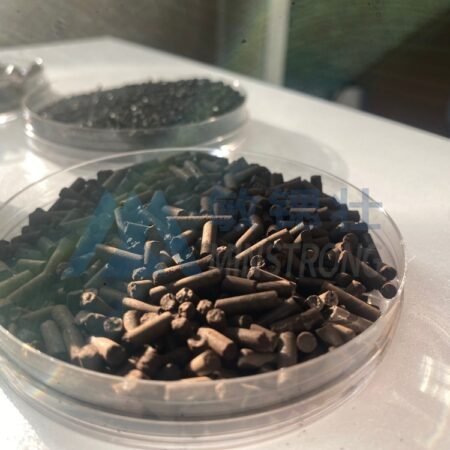
Otsonin hajoamiskatalysaattori
minä. Lääkejätevesien lähteet ja käsittelyn haasteet
Farmaseuttiset jätevedet ovat pääosin peräisin lääkeaineesta (API) tuotantoa, mukaan lukien käymissuodokset, uuttojäämät, tislauspohjat, ja vedenpuhdistuslaitteet. Veden laatu vaihtelee merkittävästi eri jätevesityypeissä: Antibioottien tuotannon jätevesillä on tyypillisesti kemiallinen hapen kysyntä (TURSKA) 5 000–20 000 mg/l ja suspendoituneita kiintoaineita 5 000–23 000 mg/l; kemiallinen synteesi farmaseuttinen jätevesi sisältää myrkyllisiä aineita, kuten nitroyhdisteitä, aniliinit, ja raskasmetallit; perinteinen kiinalainen lääketiede (TCM) tuotannon jätevedessä on suuria määriä tulenkestäviä luonnon orgaanisia yhdisteitä, kuten tanniinit, ligniinit, ja alkaloidit.
Jopa niinkin pieninä pitoisuuksina kuin mikrogrammaa litrassa, Antibioottien jäämät voivat estää mikrobien aineenvaihduntaa ja aiheuttaa biokemiallisten hoitojärjestelmien romahtamisen. Lisäksi, klooratut orgaaniset aineet ja polysykliset aromaattiset hiilivedyt (PAH:t) on “kolme syöpää aiheuttavaa” tehosteita (syöpää aiheuttava, mutageeninen, teratogeeninen) ja säilyvät vesistöissä. Siksi, meidän on suoritettava tehokas esikäsittely ennen biokemiallista käsittelyä biologisen myrkyllisyyden poistamiseksi ja biohajoavuuden parantamiseksi.
II. Otsonikatalyyttien ydinmekanismi
Otsonikatalyytit käyttävät siirtymämetallioksideja (esim., mangaani, kupari, rauta) aktiivisina komponentteina ja tukemaan niitä suuripintaisille alustalle, kuten alumiinioksidille tai keramiikalle. Kun otsonivirta virtaa katalyyttikerroksen läpi, katalyytin pinnalla olevat aktiiviset kohdat adsorboivat ja aktivoivat otsonimolekyylejä, helpottaa niiden pilkkomista hydroksyyliradikaalien tuottamiseksi (·VOI).
Hapettumispotentiaali on jopa korkea 2.80 V, hydroksyyliradikaalit reagoivat epäselektiivisesti ja nopeasti useimpien orgaanisten epäpuhtauksien kanssa. Ne katkaisevat tyydyttyneitä sidoksia ja avaavat aromaattisia renkaita, hajottaa suuret orgaaniset molekyylit pienemmiksi välituotteiksi, jotka sitten käyvät läpi lisää mineralisaatiota. Katalyytti ei kuluta itseään prosessin aikana; se toimii tehokkaasti neutraalissa pH:ssa (5–8), ei tarvitse kemiallisia lisäaineita, ja ehkäisee toissijaista saastumista.
III. Miksi se soveltuu erityisen hyvin farmaseuttiseen jäteveden esikäsittelyyn
1. Antibioottien bakteriostaattisen aktiivisuuden nopea eliminointi
Hydroksyyliradikaalit hyökkäävät nopeasti antibioottien aktiivisia funktionaalisia ryhmiä vastaan (esim., β-laktaamirengas ja tetrasykliinirunko), aiheuttaa renkaan avautumisen ja sidoksen katkeamisen, jolloin niiden bakteriostaattinen kyky eliminoituu kokonaan. Tutkimukset osoittavat, että kun käytämme mangaanipohjaista katalyyttiä oksitetrasykliiniä sisältävän simuloidun jäteveden käsittelyyn, antibiootin poistonopeus ylittää 96% sisällä 30 minuuttia; lisäksi, tuloksena olevat hajoamistuotteet eivät enää estä myöhempää biokemiallista käsittelyä.
2. Vastahakoisten orgaanisten epäpuhtauksien tehokas hajottaminen
Aromaattiset ja heterosykliset yhdisteet vastustavat usein tavanomaista otsonointia, otsonin käyttöasteet ovat tyypillisesti alle 50%. Katalyytti siirtää reaktion kohti radikaalia hallitsemaa reaktiota, ei-selektiivinen hapetusprosessi, nopeuttaa hajoamisnopeutta moninkertaisesti kymmenkertaiseksi. Esimerkiksi, kun käytämme katalyyttistä hapetusta kemiallisesti syntetisoituun lääkejäteveteen (COD ≈ 8,000 mg/l), COD-poistoaste saavuttaa 45–55 %, kun taas perinteisellä otsonoinnilla yksin saavutetaan vähemmän kuin 20%.
3. Merkittävä parannus biohajoavuudessa
Suuri, vastahakoiset orgaaniset molekyylit hajoavat pienemmiksi aineiksi - orgaanisiksi hapoiksi, aldehydit, ja alkoholit – nostavat B/C-suhdetta (BOD/KOODI) alkuperäisestä 0,1–0,2 arvoon 0,3–0,5 tai korkeampi, joskus jopa 0.6. Näin ollen, myöhempi biokemiallinen käsittely vaatii 30–50 % vähemmän hydraulista retentioaikaa ja kuluttaa 20–30 % vähemmän ilmastusenergiaa.
4. Sopeutuvuus veden laadun ja virtausnopeuden vaihteluihin
Säätämällä otsoniannostusta (30-120 mg/l) ja säilytysaika (30-120 minuuttia), järjestelmä voi mukautua joustavasti vaihteleviin saastekuormiin; lisäksi, kiinteäkerroksinen katalyyttikerros tarjoaa huomattavan puskurointikapasiteetin.
IV. Edut perinteisiin esikäsittelytekniikoihin verrattuna
Verrattuna Fenton-hapetusmenetelmään, joka on yleinen tekniikka farmaseuttisessa jäteveden esikäsittelyssä, katalyyttisellä otsonoinnilla on useita etuja.. Toissijaisesta saastumisesta, Fentonin hapetus vaatii rautasulfaatin ja vetyperoksidin lisäämistä voimakkaasti happamissa olosuhteissa. Reaktio tuottaa suuria määriä rautaa sisältävää lietettä - noin 1 to 3 kg/tonni jätevettä – jonka luokittelemme vaaralliseksi jätteeksi ja meidän on hävitettävä kalliilla kustannuksilla. Sitä vastoin, katalyyttinen otsonointi ei vaadi kemiallisia lisäaineita; sen kiinteä katalyytti on uudelleenkäytettävä, ja ainoa sivutuote on happi. Koska koko prosessi ei tuota kemiallista lietettä, se välttää pohjimmiltaan toissijaisen saastumisen.
Mitä tulee reaktio-olosuhteisiin, Fentonin hapetus edellyttää, että jäteveden pH on säädettävä voimakkaasti happamalle alueelle (2–4) ja lisää sitten emästä reaktion jälkeen neutraalisuuden palauttamiseksi. Tämä kuluttaa suuria määriä happoja ja emäksiä ja vaikeuttaa toimintaa. Katalyyttinen otsonointi, kuitenkin, voi toimia suoraan ympäristön lämpötilassa ja lähes neutraalissa pH:ssa (5–8) raa'asta jätevedestä, ilman happo- tai emässäätöjä. Tämä lähestymistapa säästää kemikaalikustannuksia ja yksinkertaistaa yleistä työnkulkua.
Mitä tulee operatiiviseen johtamiseen, Fenton-hapetus vaatii käsin, erilaisten reagenssien säännöllinen valmistus ja annostelu – monimutkainen menettely, johon liittyy luontaisia turvallisuusriskejä. Päinvastoin, katalyyttiset otsonointijärjestelmät voivat olla pitkälle automatisoituja; voimme integroida ne PLC:hen reaaliaikaista online-vedenlaadun seurantaa ja automaattista otsonitehoa säätämään. Koko prosessi toimii itsenäisesti, vähentää paikan päällä olevan henkilöstön tarvetta ja helpottaa kätevää hallintaa.
Mitä tulee käyttökustannuksiin – esimerkkinä 500 tonnia päivässä tuottava farmaseuttinen jätevedenkäsittelylaitos – Fenton-prosessi tuottaa noin 180 tonnia rautaa sisältävää vaarallista jätettä vuodessa. Pelkästään vaarallisten jätteiden hävitysmaksut ylittävät 150,000 RMB; yhdistettynä happoon, pohja, ja muut reagenssikustannukset, suorat käyttökustannukset jätevesitonnia kohden ovat noin 4.5 RMB. Katalyyttiseen otsonointiin, sähkönkulutus (lähinnä otsonigeneraattorille) maksaa noin 2.8 RMB per tonni, kun taas vuotuiset jaksotetut katalyytin ehtymiskustannukset ovat karkeasti 0.4 RMB per tonni. Ilman reagenssi- tai vaarallisten jätteiden hävityskustannuksia, kokonaiskäyttökustannukset tonnia kohden ovat noin 3.2 RMB - melkein 30% pienempi kuin Fenton-prosessi. Lisäksi, korkealaatuiset otsonikatalyytit voivat pysyä tehokkaina yli kaksi vuotta kohtuullisissa käyttöolosuhteissa; jos niiden aktiivisuus laskee, voimme palauttaa suuren osan niiden alkuperäisestä tehokkuudesta offline-lämpöregeneroinnin avulla, pidentää entisestään käyttöikää ja alentaa vaihtokustannuksia.
Yhteenvetona, katalyyttinen otsonointi ylittää merkittävästi perinteisen Fenton-hapetusprosessin ympäristöhyötyjen suhteen, taloudellinen tehokkuus, ja käyttömukavuus.
V. Suunnittelukäytäntö ja yhteenveto
Laaja suunnittelukäytäntö osoittaa, että katalyyttinen otsonointi, kun käytämme sitä lääkejätevesien esikäsittelyyn, voi saavuttaa COD-poistonopeuden 40% to 60%. Lisäksi, tämä prosessi ei vaadi pH:n säätöä eikä tuota kemiallista lietettä, mahdollistaa järjestelmän pitkäaikaisen vakaan toiminnan. Perussyy katalyyttisen otsonoinnin valinnalle lääkejätevesien esikäsittelyyn on sen kyky saavuttaa samanaikaisesti kolme päätavoitetta: COD:n vähentäminen, eliminoi antibioottisen antibakteerisen vaikutuksen, ja parantaa merkittävästi biohajoavuutta – kaikki ilman toissijaista saastumista ja hallittavissa olevin käyttökustannuksin. Lääkeyritykset, joilla on viranomaisvaltuuksia päivittää ympäristönsuojelustandardejaan, katalyyttinen otsonointi edustaa teknisesti ja taloudellisesti järkevää esikäsittelyreittiä, jonka todelliset suunnittelusovellukset ovat perusteellisesti validoineet.
kirjoittaja: Gloria
päivämäärä:2026/5/13
WeChat
Skannaa QR-koodi WeChatilla