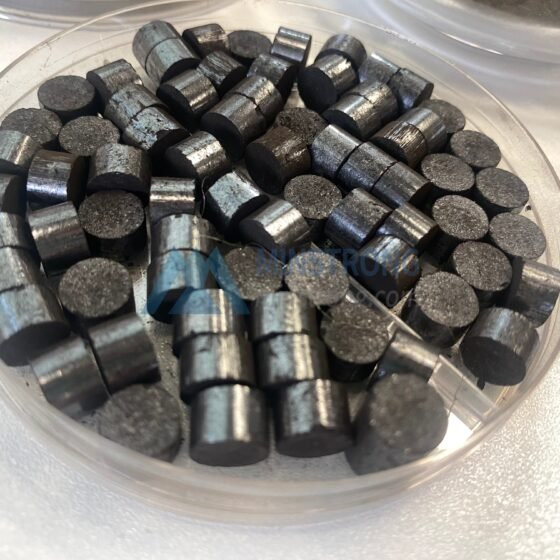
 Minslite seeria katalüsaatorid osooni/CO/LOÜ eemaldamiseks
Tööstusharudele meeldib reoveepuhastus, joogivee desinfitseerimine, pooljuhtide tootmine, trükkimine, keemiline oksüdatsioon, ja meditsiiniline steriliseerimine kasutavad laialdaselt osooni (O3) tugeva oksüdeeriva toime tõttu. Siiski, pärast seda, kui osoon on oma oksüdatsioonimissiooni lõpetanud, heitgaas sisaldab sageli endiselt osooni jääkkontsentratsiooni. Määrused nõuavad tavaliselt, et osoonitase töökoha õhus jääks allapoole 0.1 ppm, kuid heitgaaside kontsentratsioon võib kergesti ulatuda sadade või isegi tuhandete ppm-ni. Töötlemata osooniheitgaas korrodeerib torusid ja seadmeid, ohustab operaatori tervist, ja rikub üha karmimaid keskkonnaheite eeskirju.
Seistes silmitsi selle vältimatu probleemiga, tööstus on pikka aega toetunud aktiivsöe adsorptsioonile ja kõrge temperatuuriga termilisele lagunemisele. Siiski, need tehnoloogiad kannatavad kas madala efektiivsuse või tohutu energiatarbimise tõttu. Ümbritsev katalüütiline lagunemine pakub põhimõtteliselt teistsugust lähenemist. Katalüsaatori pinnal olevad hapnikuvalikud tagavad madala aktivatsioonienergiaga raja osooni lagunemiseks. Osoonimolekulid adsorbeeruvad esmalt nendele vabadele kohtadele, seejärel lõhustuvad elektronide ülekande teel kiiresti hapnikuks. Kogu protsess toimub toatemperatuuril ilma kütte- või välise energiasisendita (välja arvatud puhuri võimsus). Reaktsiooni käigus tekib ainult hapnik, ja katalüsaator ei tarbi ennast ära, võimaldades pikaajalist taaskasutamist.
Uuringuandmed näitavad, et ε-MnO2 näitab oma suure eripinna tõttu parimat osooni lagunemisaktiivsust (199.48 m²/g), rohkelt hapnikuvabu töökohti, ja suurepärane hapniku liikuvus. Osoonisüsteemi jaoks, mis töötleb kümneid tuhandeid tonne vett päevas, ainuüksi heitgaasi soojendamine võib kuluda üle 100,000 kWh aastas – katalüütiline lagunemine võib selle kulu peaaegu täielikult kõrvaldada. Seetõttu, selle kombineeritud eelistega nullküte, peaaegu nullilähedane energiatarbimine, ja null sekundaarset reostust,Katalüütilisest lagunemisest on saanud tunnustatud optimaalne tehniline tee osoonigaaside töötlemiseks.
1. Osooni heitgaaside töötlemise tööstuse taust ja tehnilised väljakutsed
Osoon (O3) on hästi tuntud tugev oksüdeerija ja leiab laialdast rakendust reoveepuhastuses, joogivee desinfitseerimine, pooljuhtide tootmine, trükkimine, keemiline oksüdatsioon, meditsiiniline steriliseerimine, ja muud valdkonnad. Siiski, pärast oksüdatsioonifunktsiooni täitmist, heitgaas sisaldab sageli siiski teatud osooni jääkkontsentratsiooni. Töökeskkonna piirnormid nõuavad üldiselt, et osoonitase töökoha õhus jääks allapoole 0.1 ppm, samas kui heitgaaside kontsentratsioon võib kergesti ulatuda sadade või isegi tuhandete ppm-ni.
Töötlemata osooni heitgaas põhjustab mitmeid ohte. Esiteks, osoon on väga söövitav ning kiirendab torude ja seadmete roostetamist ja vananemist. Teiseks, osoon ärritab operaatorite hingamisteid, ja pikaajaline kokkupuude võib põhjustada pöördumatuid tervisekahjustusi. Lisaks, osooni kontrollimatu eraldumine rikub järjest rangemaid keskkonnaeeskirju, ettevõtete avamine trahvidele ja sulgemisriskidele. Tööstusharu hinnangute kohaselt on osooni vähendamise tehnoloogia aastane turg ainult pooljuhtide sektoris 2 miljardit RMB-d. Selge, tõhus, ökonoomne, Ohutu osoonigaaside töötlemise tehnoloogia on muutunud tungivaks tööstuslikuks vajaduseks.
Selle vajaduse rahuldamiseks, tööstus on uurinud erinevaid tehnilisi teid, kuid nende rakendatavus ja majandusnäitajad on väga erinevad. Järgmistes osades võrreldakse süstemaatiliselt kolme peamist tehnilist teed.
2. Kolme tehnilise marsruudi võrdlus: Suurest energiatarbimisest kuni nullilähedase energiatarbimiseni
Praegu, peamised meetodid osooni heitgaasi töötlemiseks nii riigis kui ka rahvusvahelisel tasandil on aktiivsöe adsorptsioon, termiline lagunemine, ja katalüütiline lagunemine. Need kolm meetodit erinevad põhimõtteliselt oluliselt, tõhusust, ja maksumus.
Aktiivsüsi adsorptsioon
See meetod kasutab osoonimolekulide adsorbeerimiseks aktiivsöe poorset struktuuri. Adsorptsiooni ajal, osoon läbib süsiniku pinnal keemilise reaktsiooni ja laguneb hapnikuks. Kuigi lihtne ja mugav kasutada, sellel meetodil on ilmsed piirangud. Aktiivsöe adsorptsioonivõime on piiratud, ja selle tõhusus langeb järsult kõrge õhuniiskuse või kõrge osoonikontsentratsiooniga tingimustes. Küllastumise korral, aktiivsüsi vajab regenereerimist või asendamist. Pealegi, aktiivsüsi ise reageerib aeglaselt osooniga ja kulub ära, ja kasutatud süsinik kvalifitseerub ohtlikeks jäätmeteks. Seetõttu, see meetod sobib ainult madala kontsentratsiooniga osooniga töötlemise stsenaariumide jaoks.
Termiline lagunemine
Termiline lagunemine töötleb peamiselt kõrge kontsentratsiooniga osooni heitgaase. See meetod soojendab osooni sisaldava gaasi temperatuurini 300–400 °C, pakkudes piisavalt energiat osooni molekulide hapnikuks lagunemiseks. Mõned uuringud on välja töötanud integreeritud süsteemi, mis ühendab Mn-Ce/AlO madala temperatuuriga katalüsaatori plaatsoojusvahetiga, osooni lagunemiskiiruse saavutamine ≥99,2% temperatuuril 200–250 °C ja heitgaasi kontsentratsiooni vähendamine allapoole 0.12 mg/m³.
Kuigi termiline lagunemine saavutab kõrge lagunemise efektiivsuse, selle energiatarve on tohutu. Osoonisüsteemi jaoks, mis töötleb kümneid tuhandeid tonne vett päevas, ainuüksi heitgaasi soojendamine võib kuluda üle 100,000 kWh aastas. Lisaks, kõrge temperatuuriga torustik kujutab endast põletus- ja tuleohtu, ja süsteem vajab spetsiaalset kütteseadet ja isolatsiooni. Need tegurid hoiavad termilise lagunemise tegevuskulud liiga kõrged.
Katalüütiline lagunemine
Katalüütiline lagunemine esindab täiesti erinevat tehnilist filosoofiat. See meetod juhib osooni heitgaasi läbi katalüsaatoriga täidetud reaktsioonikihi ümbritseva keskkonna temperatuuril, kus katalüsaatori pinnal olevad aktiivsed kohad lagundavad osoonimolekulid otse hapnikuks. Põhireaktsioon on värskendavalt lihtne: 2O3 → 3O2. See meetod töötab toatemperatuuril ilma pideva kuumutamiseta, tarbib ainult umbes 10–30% termilise lagunemise jaoks vajalikust energiast, palju väiksemate ohutusriskidega. Katalüütilisest lagunemisest on nüüdseks saanud osoonitehnoloogia peavoolu tehniline valik nii riigisiseselt kui ka rahvusvaheliselt.
3. Ümbritseva õhu katalüütilise lagunemise põhimehhanism: Hapnikuvabad töökohad ja reaktsiooniteed
Põhjus, miks katalüütiline lagunemine ei saavuta kuumenemist, energiakulu puudub” seisneb reaktsioonitee põhimõttelises muutumises katalüsaatori poolt. Järgmised osad analüüsivad seda kolmest vaatenurgast: aktiveerimise energia, aktiivsed saidid, ja reaktsiooniteed.
Katalüsaatorite "läve alandav" efekt
Osoon (O3) koosneb kolmest hapnikuaatomist ja on suure energiaga molekul. Ümbritseva õhu temperatuuril, osoon laguneb looduslikult aeglaselt hapnikuks, aga väga aeglase kiirusega. Katalüütilise lagunemise tuum on see, et katalüsaator vähendab oluliselt osooni lagunemiseks vajalikku aktiveerimisenergiat.
Sisuliselt, katalüsaator pakub osooni lagunemiseks "madala energiatarbega kanalit".. Reaktsioon, mis algselt nõudis "kõrgele mäele ronimist" (st., kõrge temperatuuriga küte) saab nüüd sujuvalt edasi liikuda "tasasel maal" (st., ümbritseva õhu temperatuur). See "läve alandava" efekt on peamine põhjus, miks katalüütiline lagunemine võib toatemperatuuril toimida.
Hapniku vabad töökohad: Katalüütilise lagunemise "aktiivne süda".
Katalüsaatori saladus peitub selle pinnas hapnikuvabu töökohti. Uuringud on näidanud, et Mn²⁺ ja Mn³⁺ (st., hapnikuvabu töökohti) katalüsaatori pinnal on osooni lagunemise aktiivsed kohad, ja nende sisaldus määrab otseselt katalüsaatori osooni lagunemisaktiivsuse. Hapniku vakantsi sisaldus korreleerub positiivselt osooni lagunemisaktiivsusega.
Kui osoongaas läbib katalüsaatorikihi, osooni molekulid adsorbeeruvad esmalt katalüsaatori pinnal olevatele hapnikuvabudele. Järgnevalt, aktiivsete saitide toimel, osoonimolekuli O-O side katkeb. Uuringud on leidnud, et pinnaperoksiidi liikide lagunemine (O2²⁻) piirab üldist osooni lagunemise kiirust. Lõppkokkuvõttes, osoon muutub täielikult stabiilseks hapnikuks (O2), ja hapnikuvalikud töökohad taastuvad ise, võimaldades katalüsaatoril pidevalt töötada ilma kulumata.
Reaktsiooniteede mitmekesisus
Lisaks hapnikuvabu kohti, hüdroksüülrühmad (-Oh) katalüsaatori pinnal võivad olla ka reaktsiooni aktiivsed saidid. Osooni heterogeense katalüütilise lagunemise mehhanismid hõlmavad vabade radikaalide teooriat, pinna kompleksi moodustamise teooria, hapnikuvakantsuse teooria, ja pinna hapnikuaatomiteooria, teiste hulgas. Kahe aktiivse saidi sünergistlik toime (hüdroksüül + hapniku vakantsus) suudab tõhusalt reguleerida elektroonilist struktuuri aktiivsete saitide läheduses, soodustavad vahepealsete liikide desorptsiooni, ja suurendab veelgi katalüütilist efektiivsust.
Kokkuvõttes, katalüsaator annab a madala aktivatsioonienergiaga rada osooni lagunemiseks, lastes reaktsioonil toatemperatuuril kiiresti kulgeda. Kogu protsess ei vaja täiendavat valgust, soojust, või elektrit. Reaktsioonivõrrand on väga lihtne -2O3 → 3O2- osoonist saab hapnik, ilma vahesaaduste või kahjulike kõrvalsaadusteta. See on keemiline olemus, kuidas katalüütiline lagunemine saavutab "kuumenemata"., pole energiatarbimist, ja ei mingit sekundaarset reostust.
4. Katalüsaatori aktiivsed komponendid: Mangaandioksiidist komposiitoksiidisüsteemideni
Osooni katalüütilise lagunemise tuum peitub katalüsaatoris endas. Seetõttu, Aktiivsete komponentide ja peamiste tulemusnäitajate mõistmine on katalüsaatorite hindamiseks ja valimiseks hädavajalik.
Mangaandioksiidi "juhtiv roll". (MnO2)
Siirdemetallide oksiidid on osooni lagunemise katalüsaatorite peamised aktiivsed komponendid. Mangaandioksiid, tänu oma kõrgele aktiivsusele, mõõdukas kulu, ja hea stabiilsus, on kõige laialdasemalt kasutatav aktiivne komponent osooni lagunemiseks. Märkimisväärselt, a kristallide struktuur ja morfoloogia MnO2 mõjutab oluliselt selle katalüütilist aktiivsust.
Uuringud on sünteesinud rea MnO2 kristallid (a-, b-, c-, d-, eh, ja λ-MnO2) ja võrreldi nende katalüütilist aktiivsust osooni lagunemisel kuivas õhus temperatuuril 25 °C. Tegevuse järjekord on: ε-MnO2 > α-MnO2 > γ-MnO2 > β-MnO2 ≈ δ-MnO2 > λ-MnO2. Oma suure eripinnaga (199.48 m²/g), rohkelt hapnikuvabu töökohti, ja suurepärane hapniku liikuvus (Ne = 7,23 × 10²¹ aatom·g-1), ε-MnO2 näitab parimat osooni lagundamisaktiivsust.
Teoreetilised arvutused näitavad lisaks, et ε-MnO2 sellel on madalaim desorptsioonienergia barjäär O jaoks2²⁻ (ΔEa = 2,04 eV). Sel põhjusel, ε-MnO2 saavutab 100% osooni eemaldamine sees 200 minutit toatemperatuuril (25°C).
Komposiitoksiidsüsteemid: 1+1>2
Suure jõudlusega osooni lagunemise katalüsaatorid ei piirdu sageli ühe komponendiga. Hopcalite (mangaani-vase komposiitoksiid), kahe metalli sünergilise toime tõttu, ületab ühekomponendilisi katalüsaatoreid nii katalüütilise aktiivsuse kui ka niiskuskindluse poolest. Hopcalite võib ümbritseva õhu temperatuuril osooni kiiresti hapnikuks lagundada (2O3 → 3O2) ilma kütte- või UV-abita, ei tekita sekundaarseid saasteaineid. Võrreldes füüsiliste adsorbentidega nagu aktiivsüsi, Hopkaliidi lagunemine on keemiline katalüütiline protsess, mis ei põhjusta adsorptsiooni küllastumise probleemi, pakkudes pikemat kasutusiga.
Mõned suure jõudlusega tooted sisaldavad ka siirdemetallioksiide, näiteks raudoksiidi, nikkeloksiid, ja tseeriumoksiid mitmekomponendiliste komposiitkatalüütiliste süsteemide moodustamiseks. Sünergistlik efekt MnOx ja CeO vahel2 võib hõlbustada elektronide ülekannet redokstsüklite kaudu, katalüütilise jõudluse edasine parandamine.
Katalüsaatorite peamised jõudlusnäitajad
Osooni lagunemise katalüsaatorite toimimise hindamiseks, peaksite kaaluma järgmist nelja põhinäitajat:
- Konkreetne pindala: Suurem pindala tähendab tugevamat osooni adsorptsioonivõimet ja suuremat kontaktpinda. Suure jõudlusega katalüsaatorid võivad saavutada 160–240 m²/g.
- Aktiivse komponendi sisu: Kõrgem aktiivsete komponentide sisaldus tähendab tugevamat katalüütilist võimsust mahuühiku kohta. Kvaliteetsetel toodetel on tavaliselt ülaltoodud tõhus sisu 80%.
- Mehaaniline tugevus: See indikaator määrab, kas katalüsaator pulbristub või puruneb pikaajalise töö käigus. Tööstusliku kvaliteediga katalüsaatorid nõuavad tavaliselt tugevust >40-45 N/cm.
- Kasutusiga: Kvaliteetsed katalüsaatorid võivad kesta 2 aastat, pakkudes olulisi üldiseid majanduslikke eeliseid.
5. Peamised inseneriväljakutsed: Niiskuskindlus ja katalüsaatori stabiilsus
Tegelikes tööstuslikes rakendustes, niiskus on osooni lagunemise katalüsaatorite jaoks suurim tehniline väljakutse. Kõrge õhuniiskusega keskkondades, mangaanipõhise aktiivsus, vase-mangaani komposiit, ja Hopcalite-tüüpi katalüsaatorid võivad oluliselt langeda või isegi täielikult kaduda. Seetõttu, deaktiveerimismehhanismide mõistmine ja vastavate vastumeetmete valdamine on ülioluline.
Katalüsaatori deaktiveerimise kaks mehhanismi
Uuringud on näidanud, et MnO2 katalüsaatori deaktiveerimine toimub kahe mehhanismi kaudu. Üks mehhanism, helistas veest põhjustatud deaktiveerimine, tekib seetõttu, et veemolekulid täidavad või katavad hapnikuvabu kohti ja katalüsaatori pinna, takistades aktiivsetel saitidel kontakti osoonimolekulidega. Teine mehhanism, helistas O3-indutseeritud deaktiveerimine, tekib seetõttu, et hapnikuvabad kohad muutuvad järk-järgult võrehapnikuks, aktiivsete saitide arvu vähendamine. Märkimisväärselt, isegi kuivades tingimustes, kui hapnikuaatomid ei saa kiiresti desorbeeruda, nad võivad mürgitada ka hapnikuvabu kohti, mis põhjustab katalüsaatori aktiivsuse vähenemist.
Algpõhjused ja ladestumise tagajärjed
Katalüsaatori deaktiveerimine tuleneb peamiselt kahest tegurist. Esiteks, veemolekulid konkureerivad osoonimolekulidega aktiivsetes kohtades adsorptsiooni pärast, hõivates reaktsioonipositsioone, mis peaksid kuuluma osoonile. Teiseks, vahepealsed reaktiivsed hapniku liigid kogunevad hapnikuvabu töökohtadele. Kui kiiruse määramise samm muutub piiratuks, need vahepealsed liigid ei saa õigeaegselt desorbeeruda, aktiivsete saitide blokeerimine. Lisaks, tegelikus reoveepuhastuses, katalüsaatori pinnale võivad sadestuda soolase reovee metallisoolad või mittemetallisoolad, füüsiliselt takistades tõhusat kontakti katalüsaatori ja osooni vahel.
Niiskuskindluse parandamine
Niiskuse põhjustatud deaktiveerimise kõrvaldamiseks, teadlased on uurinud mitmeid tõhusaid täiustamisstrateegiaid. Läbi ioonide reguleerimine või tutvustades sekundaarsed aktiivsed saidid (nagu Ag, Ce, jne.) MnOx kohta, need võivad O-d oluliselt parandada3 lagunemisvõime ja niiskuskindlus. Uuringud on näidanud, et Ce doping suurendab tõhusalt MnOx hapniku kontsentratsiooni ja niiskuskindlust. Pärast MnOx kompositsiooni CeO-ga2, osooni lagunemise kiirus võib püsida suhteliselt kõrge isegi all 90% suhteline niiskus.
Katalüsaatori regenereerimise meetodid
Deaktiveeritud katalüsaatorite regenereerimine on oluline probleem, mida ei saa tööstuslikes rakendustes vältida. Tõhusad regenereerimismeetodid peavad nii eemaldama osa võre hapnikku kui ka taastama veemolekulide hõivatud hapnikuvalikud.
Uuringud näitavad, et pärast O3 ravi, katalüsaatori redutseerimine vesiniku atmosfääris temperatuuril 200 °C 2 tundi võib tõhusalt taastada katalüsaatori aktiivsust. Pärast kolme regenereerimistsüklit, katalüsaator säilitab endiselt oma esialgse aktiivsuse taseme. Kuumtöötlus (100-500°C) 300°C juures võib taastuda umbes 57.5% algsest tegevusest, vesinikuga redutseerimisel temperatuuril 60 °C (energiasäästlik seisund) saavutab umbes 55% taastumine. Kõrge leeliselisusega reoveepuhastusel deaktiveeritud katalüsaatoritele, happepesu pakub ka tõhusat odavat regenereerimismeetodit.
Miks "sekundaarne reostus puudub"?
Osooni lagunemise keemiline reaktsioon toodab ainult hapnikku.2O3 → 3O2. Katalüsaator ise tarbimises ei osale; see annab ainult reaktsioonikoha, saab pikka aega taaskasutada, ja ei tekita tahkeid jäätmeid, vedelad jäätmed, või kahjulikud gaasid. Katalüsaator ei sisalda põlevaid ega lenduvaid komponente, seega puudub kõrge kontsentratsiooniga osooniga töötlemisel põlemisoht. Puhastusprotsess saavutab null energiatarve (välja arvatud puhuri võimsus) ja null keemilist lisamist, tõeliselt keskkonnasõbralikkuse teadvustamine.
6. Minstrongi osooni lagunemise katalüsaator: Tehnilised parameetrid ja rakendusstsenaariumid
Minstrong Technology Co., Ltd. (Minstrong) on aastaid olnud metallioksiidkatalüsaatorite valdkonnas sügavalt seotud. Selle osooni lagundamist soodustavad katalüsaatorid saavutavad jõudluse ja töökindluse poolest tööstusharu juhtiva taseme. Ettevõte toodab katalüsaatorit, kasutades aktiivse komponendi tootmiseks keemilist sünteesi, täpse kontrolliga iga protsessi parameetri üle, et tagada toote kvaliteedi stabiilsus ja järjepidevus.
Peamised jõudlusspetsifikatsioonid
| Jõudlusparameeter | Väärtus |
|---|---|
| Konkreetne pindala | 160 – 240 m²/g |
| Aktiivse komponendi sisu | >80% |
| Mehaaniline tugevus | >40 N/cm |
| Puistetihedus | 0.7 (±0,05) g/ml |
| Töötemperatuur | 20-90°C |
| Lagunemise efektiivsus | >99% |
| Kasutusiga | 2 aastat või rohkem |
Pulbri vorm (ilma sideaineta) võib saavutada aktiivse komponendi sisalduse üle 99%.
Toote omadused
- Tõhus osooni lagunemine ümbritseva õhu temperatuuril, pole vaja kütte- ega UV-abi
- Suur eripind (160-240 m²/g) tagab aktiivsete alade rohkuse
- Kõrge aktiivsete komponentide sisaldus (>80%) tagab tugeva katalüütilise võimsuse mahuühiku kohta
- Energiatarve null (välja arvatud puhur) ja puhastamise ajal ei lisata keemilisi aineid
- Reaktsiooniprodukt on ainult hapnik, puudub sekundaarne reostus
- Katalüsaator ei sisalda aktiivsütt, talub kõrgeid temperatuure kõrge kontsentratsiooniga osooni töötlemisel ilma põlemiseta, lenduvaid komponente pole, ohutu kasutada
- Kärgstruktuuri tooted pakuvad madalat rõhulangust ja lihtsat käsitsemist
Tüüpilised rakendusstsenaariumid
Minstrongi osooni lagunemise katalüsaatorid leiavad laialdast kasutust järgmistes rakendustes:
- Osooni heitgaaside puhastamine reoveepuhastites
- Osooni heitgaaside lagunemine pärast joogivee ja mineraalvee desinfitseerimist
- Osooni eemaldamine trükikodades, koroonaravi liinid, ja kõrgepingelahendusseadmed
- Osooni vähendamine pooljuhtide tootmise ja koroonaseadmete jaoks
- Osooni puhastamine pärast meditsiiniseadmete steriliseerimist
- Osoonigaaside töötlemine UV-fotolüüsi ja plasmaseadmete jaoks
7. Järeldus: Ümbritsev katalüütiline lagunemine – osooni heitgaaside töötlemise tehniline suund
Põhineb põhjalikul analüüsil mehhanismist inseneripraktikani, katalüütilisest lagunemisest on saanud osooni heitgaaside töötlemise optimaalne tehniline viis tänu neljale peamisele eelisele.
Esiteks, küte puudub. Katalüsaator tagab madala aktivatsioonienergiaga raja läbi aktiivsete saitide, näiteks hapnikuvabu töökohti, võimaldades osoonil ümbritseva õhu temperatuuril kiiresti laguneda. Uuringud on näidanud, et ε-MnO2 võib saavutada 100% osooni eemaldamine sees 200 minutit toatemperatuuril (25°C), demonstreerides täielikult ümbritseva katalüüsi teostatavust.
Teiseks, pole energiatarbimist. Lisaks puhuri võimsusele, see protsess ei nõua täiendavat energiasisendit, tarbides ainult 10–30% termilise lagunemise energiast. Osoonisüsteemi jaoks, mis töötleb kümneid tuhandeid tonne vett päevas, ainuüksi heitgaasi soojendamine võib säästa sadu tuhandeid kWh aastas, mis kujutab endast erakordselt olulist energiasäästu.
Kolmandaks, puudub sekundaarne reostus. Reaktsiooniprodukt on ainult hapnik (2O3 → 3O2). Katalüsaator ise ei kulu, saab pikka aega taaskasutada, ja ei tekita tahkeid jäätmeid, vedelad jäätmed, või kahjulikud gaasid. Puhastusprotsess ei vaja keemilist lisamist. Katalüsaator ei sisalda põlevaid ega lenduvaid komponente, seega puudub kõrge kontsentratsiooniga osooniga töötlemisel põlemisoht, kõrge ohutuse tagamine.
Neljandaks, majanduslikult tõhus. Katalüsaator säilitab kõrge lagunemisvõime toatemperatuuril ja ruumikiirustel kuni 600,000 h⁻¹. Selle kasutusiga ületab 2 aastat, ja lagunemise efektiivsus ületab 99%. Üldised kasutuskulud on palju madalamad kui termilise lagunemise või aktiivsöe meetodite omad, pakkudes märkimisväärset majanduslikku teostatavust.
Üha karmistuvate keskkonnastandardite ning kasvavate energiasäästu ja heitkoguste vähendamise nõudmiste taustal, ümbritseva keskkonna katalüütiline lagunemine, oma ainulaadsete eelistega "nullküte, peaaegu nullilähedane energiatarbimine, ja null sekundaarset reostust,” on muutunud tunnustatud optimaalseks tehniliseks teeks osoonigaaside töötlemiseks. Kui otsite tõhusat, ökonoomne, ja stabiilne osoonigaaside puhastuslahus, palun külastage Minstrongi ametlik veebisait (www.minstrong.com) või võtke üksikasjalikuma tooteteabe ja tehnilise toe saamiseks ühendust tehnilise meeskonnaga.
autor:Gloria
kuupäeva:2026-08-12
WeChat
Skannige QR-kood WeChatiga