 Katalysatoren der Minslite-Serie zur Entfernung von Ozon/CO/VOCs
Mangandioxid (MnO₂), als multifunktionales anorganisches Material, spielt in Batterien eine unersetzliche Rolle, Glas, Katalysatoren, und Umweltschutz. Dieser Artikel bietet eine ausführliche Analyse der physikalisch-chemischen Eigenschaften, Kernanwendungsszenarien, und Kaufschmerzpunkte von Mangandioxid, Unterstützung von Beschaffungs- und Technologie-Entscheidungsträgern bei der genauen Abstimmung von hoher Reinheit, hohe Aktivität, und chargenstabile Qualitätsprodukte, Vermeidung von Prozessrisiken durch Verunreinigungsschwankungen und Partikelgrößeninhomogenität. Ob Sie ein neuer Energiebatteriehersteller sind, ein Glas- und Keramikunternehmen, oder ein Umweltingenieur, In diesem Artikel erhalten Sie eine professionelle Auswahlhilfe.
ICH. Was ist Mangandioxid?
Mangandioxid (MnO₂) ist ein schwarzes oder dunkelbraunes Pulver. Es kommt in der Natur als Pyrolusit vor und wird hauptsächlich industriell durch Elektrolyse hergestellt, chemische Synthese, oder natürliche Mineralverarbeitung. Als eines der höchstwertigen Manganoxide, es besitzt starke oxidierende Eigenschaften, hohe spezifische Oberfläche, ausgezeichnete katalytische Aktivität, und elektrochemische Leistung, Damit ist es ein wichtiger Hilfsstoff für viele nachgelagerte Industrien.
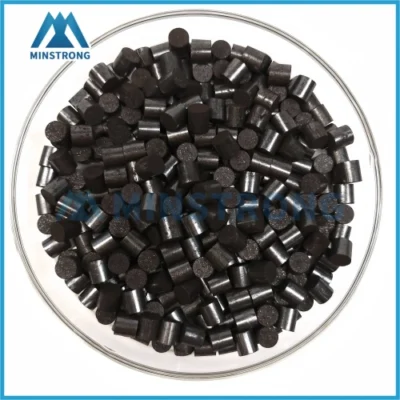
MNO2
Für Käufer, Mangandioxid ist kein “einzelnes Produkt.” Seine Kristallstruktur (A, B, C, δ-Typen), Reinheit, Partikelgrößenverteilung, spezifische Oberfläche, und Säurelöslichkeit bestimmen direkt die endgültige Anwendungsleistung. Die Wahl des falschen Typs kann die Effizienz beeinträchtigen oder sogar zur Verschrottung der gesamten Charge führen – das ist der Hauptschmerzpunkt für professionelle Einkäufer.
II. Hauptmerkmale: Technische Parameter, die den Anwendungserfolg bestimmen
Starke oxidierende Eigenschaften: Es kann verschiedene organische und anorganische Substanzen in sauren Medien oxidieren, Dies macht es zu einem hervorragenden Entfärbungs- und Oxidationsmittel.
Elektrochemische Aktivität: Elektrolytisches Mangandioxid (EMD), insbesondere, verfügt über eine hohe Entladekapazität und eine hervorragende Entladeleistung bei hohem Strom, Damit ist es ein Kernmaterial für Zink-Mangan-Batterien.
Katalytische Leistung: Nanoskaliges Mangandioxid kann den Abbau von Schadstoffen wie Ozon und Formaldehyd effizient katalysieren, und ist auch ein häufig verwendeter Katalysator bei der Synthese von Feinchemikalien.
Partikelgröße und Reinheit: Nachgeschaltete Prozesse reagieren äußerst empfindlich auf Verunreinigungen (Eisen, führen, Kupfer, usw.). High-End-Anwendungen erfordern einen Hauptgehalt von ≥91 % und eine konzentrierte Partikelgrößenverteilung, um ungleichmäßige Sedimentation oder unvollständige Reaktion zu vermeiden.
III. Kernanwendungen und Analyse der Käufer-Pain-Points
1. Batterieindustrie: Der “Ballast” des neuen Energiesektors
Mangandioxid ist ein Hauptbestandteil des aktiven Materials der positiven Elektrode in Zink-Mangan-Trockenbatterien und alkalischen Manganbatterien. In den letzten Jahren, Es hat auch eine wichtige Rolle bei den positiven Elektrodenmaterialien für Lithium-Ionen-Batterien gespielt (wie Lithiummanganoxid) und Natrium-Ionen-Batterien.
Schmerzpunkte des Käufers:
Entladungsleistung und -konsistenz: Wenn die Entladezeitabweichung von EMD größer ist 3%, Dies wirkt sich direkt auf die Chargenqualifizierungsrate von Batterien aus.
Verunreinigungskontrolle: Metallische Verunreinigungen wie Eisen und Kupfer können zur Selbstentladung oder sogar zu Kurzschlüssen der Batterie führen.
Versorgungsstabilität: Mit dem explosionsartigen Wachstum des Energiespeichermarktes, Führende Batterieunternehmen verlangen von ihren Lieferanten eine stabile Lieferkapazität von mehr als 100 % 10,000 Tonnen pro Jahr.
2. Glas- und Keramikindustrie: Ein unersetzliches Entfärbungs- und Färbemittel
In der Glasproduktion, Mangandioxid nutzt seine starken oxidierenden Eigenschaften, um Eisen (II) zu Eisen (III) zu oxidieren, Beseitigung des Grünstichs des Glases und Erzielung einer “hoher Weißgrad” Wirkung; Es kann auch in Keramikglasuren verwendet werden, um schwarze oder violette Farben zu erzeugen.
Schmerzpunkte des Käufers:
Entfärbungseffizienz vs. Kostenbilanz: Während Produkte mit geringer Reinheit günstiger sind, die erforderliche Dosierung erhöht sich, Dadurch steigen die Gesamtkosten.
Gleichmäßigkeit der Partikelgröße: Wenn das Pulver zu grob ist, es kann sein, dass es während des Glasschmelzens nicht vollständig reagiert, Dies führt zu Streifen oder Blasenfehlern.
3. Katalysatoren und Wasseraufbereitung: Leistungsanforderungen unter Umweltanforderungen
Mangandioxid wird beispielsweise als Katalysator zum Abbau organischer Schadstoffe eingesetzt, Formaldehyd entfernen, und Katalysieren der Ozonoxidation. In der Abwasserbehandlung, Es kann Schwermetallionen wie Arsen und Antimon effektiv entfernen.
Schmerzpunkte des Käufers:
Zerfall der katalytischen Aktivität: Gewöhnliches Mangandioxid neigt während des Gebrauchs zur Passivierung, die modifizierte Produkte mit hoher spezifischer Oberfläche erfordern (≥50 m²/g) und stabile Struktur.
Umweltkonformität: Produkte müssen den Umweltvorschriften wie RoHS und REACH entsprechen, um eine Sekundärverschmutzung zu vermeiden.
4. Chemische Rohstoffe und elektronische Materialien
Wird zur Herstellung anderer Mangansalze verwendet (Mangansulfat, Mangancarbonat), magnetische Materialien, Varistoren, usw.
Schmerzpunkte des Käufers:
Empfindlichkeit gegenüber Verunreinigungen: Für elektronische Produkte gelten strenge Obergrenzen für Spurenelemente wie Kalzium, Magnesium, und Natrium, Es sind Berichte zur Chargenqualitätsprüfung erforderlich (Echtheitszertifikate).
IV. So wählen Sie einen zuverlässigen Mangandioxid-Lieferanten aus?
Bei Beschaffungsentscheidungen, Es wird empfohlen, sich auf die folgenden Dimensionen zu konzentrieren:
Prozessroute: Elektrolytisches Mangandioxid (EMD) ist für Hochleistungsbatterien geeignet; chemisches Mangandioxid (CMD) ist besser für die Katalyse und Adsorption geeignet; Natürliches Mangandioxidpulver wird hauptsächlich in Glas und Keramik verwendet.
Qualitätsrückverfolgbarkeit: Von Lieferanten verlangen, dass sie eine Partikelgrößenverteilung angeben, XRD-Phasenanalyse, und Daten zur Erkennung von Verunreinigungselementen für jede Charge.
Technischer Anwendungssupport: Exzellente Lieferanten können bei der Optimierung des Zugabeverhältnisses und der Prozessparameter behilflich sein, anstatt nur Produkte zu verkaufen.
Im aktuellen Marktumfeld, minderwertig, Niedrigpreisprodukte bergen oft Risiken wie übermäßige Verunreinigungen, unzureichende Aktivität, und große Chargenschwankungen, Dies führt letztlich zu Produktionsunterbrechungen oder Produktrückrufen, mit Verlusten, die die Materialbeschaffungskosten bei weitem übersteigen.
Obwohl Mangandioxid ein ist “Hilfsstoff,” Es spielt in vielen industriellen Prozessen eine entscheidende Rolle. Von der Batterieenergiedichte bis zur Glasdurchlässigkeit, von der Effizienz der Wasseraufbereitung bis zur Lebensdauer des Katalysators, Jeder Leistungsindikator spiegelt die strengen Tests und Qualitätskontrollen wider, die für die Auswahl von Mangandioxid erforderlich sind.
Wenn Sie auf der Suche nach hoher Reinheit sind, Chargenstabile Mangandioxid-Produkte mit umfassender technischer Unterstützung, Bitte kontaktieren Sie uns für Muster und maßgeschneiderte Lösungen. Unser Expertenteam findet schnell das am besten geeignete Modell für Ihren spezifischen Prozess, Wir helfen Ihnen, Risiken zu mindern, Kosten zu senken und gleichzeitig die Effizienz zu steigern. minstrong@minstrong.com
Autor:kaka
Datum:2026/3/23
WeChat
Scannen Sie den QR-Code mit WeChat