 ওজোন/CO/VOCs অপসারণের জন্য Minslite সিরিজ অনুঘটক
ওজোন বর্জ্য গ্যাস কীভাবে মুদ্রণে চিকিত্সা করা উচিত, আবরণ, এবং রাসায়নিক শিল্প?
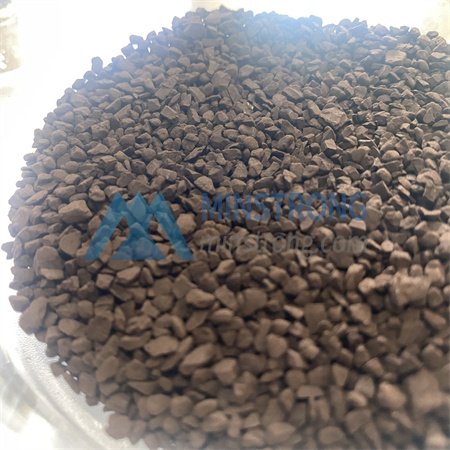
নিম্ন ক্রমাগত চিকিত্সার জন্য- মাঝারি-ঘনত্ব ওজোন ধারণকারী শিল্প নিষ্কাশন, অনুঘটক ওজোন পচন একটি কার্যকর চিকিত্সা পদ্ধতি. শুধুমাত্র একটি উপাদান সম্মুখের ওজোন adsorbing পরিবর্তে, একটি ওজোন পচন অনুঘটক অনুঘটক পৃষ্ঠের সক্রিয় সাইটগুলির মাধ্যমে ওজোনকে অক্সিজেনে রাসায়নিক রূপান্তর প্রচার করে.
কারণ অনুঘটক পচন সাধারণ দূষণকারী স্টোরেজের পরিবর্তে একটি রাসায়নিক রূপান্তর প্রক্রিয়া, একটি অনুঘটক যথাযথ অপারেটিং অবস্থার অধীনে ক্রমাগত ওজোন পচনে অংশগ্রহণ করতে পারে. মুদ্রণ থেকে ওজোন বর্জ্য গ্যাস জন্য, আবরণ, এবং রাসায়নিক প্রক্রিয়া, প্রকৃত চিকিত্সা কর্মক্ষমতা বিভিন্ন কারণ দ্বারা নির্ধারিত হয়, ওজোন ঘনত্ব সহ, গ্যাস প্রবাহ হার, আপেক্ষিক আর্দ্রতা, তাপমাত্রা, গ্যাস রচনা, অনুঘটক গঠন, এবং অনুঘটক কার্যকলাপ.
অতএব, একটি কার্যকর ওজোন চিকিত্সা ব্যবস্থা শুধুমাত্র অনুঘটক নিজেই ফোকাস করা উচিত নয়. বর্জ্য গ্যাসের বৈশিষ্ট্য, প্রতিক্রিয়া অবস্থা, এবং সরঞ্জাম কনফিগারেশন একসাথে বিবেচনা করা আবশ্যক.
এই শিল্পে ওজোন বর্জ্য গ্যাস কোথা থেকে আসে?
মুদ্রণ এবং আবরণ প্রক্রিয়ায়, করোনা নিঃসরণের সময় ওজোন তৈরি হতে পারে, পৃষ্ঠ চিকিত্সা, এবং অন্যান্য উচ্চ-শক্তি বৈদ্যুতিক স্রাব প্রক্রিয়া. স্রাবের সময়, অক্সিজেন অণু সক্রিয় এবং ওজোনে রূপান্তরিত হতে পারে. যখন যন্ত্রপাতি ক্রমাগত কাজ করে, অবশিষ্ট ওজোন প্রক্রিয়া গ্যাসের সাথে নিষ্কাশন সিস্টেমে প্রবেশ করতে পারে.
কিছু রাসায়নিক উত্পাদন প্রক্রিয়ায়, ওজোন ওজোন তৈরির সরঞ্জাম বা ওজোন জড়িত অক্সিডেশন প্রক্রিয়া থেকে উদ্ভূত হতে পারে. যখন প্রক্রিয়া গ্যাস ডাউনস্ট্রিম নিষ্কাশন করা হয়, অবশিষ্ট ওজোন গ্যাস নির্গত হওয়ার আগে বা অন্য চিকিত্সা পর্যায়ে প্রবেশ করার আগে আরও পচনের প্রয়োজন হতে পারে.
এই অ্যাপ্লিকেশনগুলি একটি গুরুত্বপূর্ণ বৈশিষ্ট্য শেয়ার করে: ওজোন সাধারণত গ্যাস পর্যায়ে বিদ্যমান থাকে এবং অবিচ্ছিন্ন গ্যাস-প্রবাহের অবস্থার অধীনে দক্ষতার সাথে পচতে হবে.
একটি প্রকৌশল দৃষ্টিকোণ থেকে, একটি অনুঘটক নির্বাচন করার আগে প্রকৃত ওজোন ঘনত্ব এবং গ্যাস প্রবাহের হার পরিমাপ করা উচিত. ক্যাটালিস্ট স্পেসিফিকেশন শুধুমাত্র শিল্প খাত বা প্রক্রিয়ার ধরন অনুযায়ী নির্ধারণ করা উচিত নয়.
কিভাবে একটি ওজোন পচন অনুঘটক কাজ করে?
একটি ওজোন পচন অনুঘটকের প্রাথমিক কাজ হল কার্যকর সক্রিয়করণ বাধা হ্রাস করে ওজোন পচন প্রতিক্রিয়া সহজতর করা, তুলনামূলকভাবে হালকা তাপমাত্রার পরিস্থিতিতে ওজোনকে দক্ষতার সাথে পচতে দেয়.
সামগ্রিক প্রতিক্রিয়া হিসাবে প্রতিনিধিত্ব করা যেতে পারে:
2ও3 → 3O2
অনুঘটকটি সক্রিয় সাইটগুলি সরবরাহ করে যেখানে ওজোন অণুগুলি শোষণ করা যেতে পারে, সক্রিয়, এবং পরবর্তীকালে পচে যায়. প্রতিক্রিয়া পরে, সক্রিয় সাইটগুলি অতিরিক্ত ওজোন অণুর রূপান্তরে অংশগ্রহণ চালিয়ে যেতে পারে.
ফলে, অনুঘটক কর্মক্ষমতা শুধুমাত্র রাসায়নিক গঠন উপর নির্ভর করে কিন্তু উপর নির্দিষ্ট পৃষ্ঠ এলাকা, ছিদ্র গঠন, সক্রিয়-সাইট প্রাপ্যতা, কণা আকার, এবং গ্যাস-কঠিন যোগাযোগের দক্ষতা.
শিল্প অ্যাপ্লিকেশনের জন্য, পর্যাপ্ত যান্ত্রিক শক্তি এবং দীর্ঘমেয়াদী অপারেটিং স্থিতিশীলতা বজায় রাখার সাথে সাথে একটি উপযুক্ত অনুঘটকের উচ্চ ওজোন পচন কার্যকলাপ প্রদান করা উচিত.
কেন বিভিন্ন শিল্পের বিভিন্ন অনুঘটকের প্রয়োজনীয়তা রয়েছে?
ওজোন ঘনত্ব এবং গ্যাস প্রবাহ হার অনুঘটক নির্বাচনের জন্য দুটি মৌলিক পরামিতি, কিন্তু তারা শুধুমাত্র বিবেচ্য নয়.
মুদ্রণ এবং আবরণ প্রক্রিয়া থেকে নিষ্কাশন গ্যাস উদ্বায়ী জৈব যৌগ থাকতে পারে, তেল কুয়াশা, ধুলো, বা ওজোন ছাড়াও অন্যান্য প্রক্রিয়ার উপজাত. এই পদার্থগুলি অনুঘটক পৃষ্ঠকে কভার করতে পারে এবং সক্রিয় সাইটগুলিকে ব্লক করতে পারে, ওজোন পচন কর্মক্ষমতা হ্রাস.
রাসায়নিক উত্পাদনে গ্যাসের প্রবাহ আরও জটিল হতে পারে এবং এতে অ্যাসিডিক গ্যাস থাকতে পারে, জলীয় বাষ্প, বা অনুঘটক কার্যকলাপ প্রভাবিত করতে সক্ষম অন্যান্য পদার্থ. এই ধরনের অবস্থার অধীনে, আর্দ্রতা প্রতিরোধের, অনুঘটক বিষক্রিয়া, এবং দীর্ঘমেয়াদী নিষ্ক্রিয়করণ ক্রমশ গুরুত্বপূর্ণ হয়ে ওঠে.
অতএব, অনুঘটক নির্বাচন শুধুমাত্র নীতি অনুসরণ করা উচিত নয় যে উচ্চ ওজোন ঘনত্বের জন্য উচ্চতর প্রাথমিক কার্যকলাপ সহ একটি অনুঘটকের প্রয়োজন. গ্যাসের গঠন এবং অপারেটিং অবস্থা অনুঘটক পরিষেবা জীবন এবং সামগ্রিক চিকিত্সা কর্মক্ষমতা উপর সরাসরি প্রভাব ফেলতে পারে.
কেন আর্দ্রতা এবং গ্যাসের বেগ ওজোন অপসারণের দক্ষতাকে প্রভাবিত করে?
আর্দ্রতা একটি গুরুত্বপূর্ণ কারণ যা কখনও কখনও ওজোন অনুঘটক পচন ব্যবস্থায় উপেক্ষা করা হয়.
যখন নিষ্কাশন গ্যাস উচ্চ মাত্রার আর্দ্রতা ধারণ করে, জলের অণু অনুঘটক পৃষ্ঠের শোষণ সাইটগুলির জন্য প্রতিদ্বন্দ্বিতা করতে পারে. এটি ওজোনের জন্য সক্রিয় সাইটগুলির প্রাপ্যতা হ্রাস করতে পারে এবং কার্যকর গ্যাস-সলিড মিথস্ক্রিয়াকে প্রভাবিত করতে পারে. অনুঘটক রচনা এবং অপারেটিং অবস্থার উপর নির্ভর করে, উচ্চ আর্দ্রতা ওজোন অপসারণের দক্ষতা কমাতে পারে.
গ্যাসের বেগ ওজোন-ধারণকারী গ্যাস এবং অনুঘটকের মধ্যে কার্যকর যোগাযোগের সময় নির্ধারণ করে. গ্যাসের বেগ খুব বেশি হলে, পৃষ্ঠের পর্যাপ্ত প্রতিক্রিয়া হওয়ার আগে ওজোন অণু অনুঘটকের বিছানার মধ্য দিয়ে যেতে পারে, আউটলেট ওজোন ঘনত্ব বৃদ্ধি ফলে.
এই কারণে, সিস্টেম ডিজাইন বিবেচনা করা উচিত স্থানের বেগ, অনুঘটক বিছানা গভীরতা, অনুঘটক লোড হচ্ছে, এবং গ্যাস-সলিড যোগাযোগের সময় শুধুমাত্র সর্বাধিক গ্যাস প্রবাহ ক্ষমতার উপর ফোকাস করার পরিবর্তে.
কিভাবে একটি ওজোন পচন অনুঘটক প্রকৃত অপারেটিং অবস্থার জন্য নির্বাচন করা উচিত?
শিল্প ওজোন চিকিত্সা প্রকল্পগুলি সাধারণত একটি পদ্ধতিগত নির্বাচন প্রক্রিয়া অনুসরণ করতে পারে.
1. ইনলেট এবং টার্গেট আউটলেট ওজোন ঘনত্ব নির্ধারণ করুন
প্রথম ধাপ হল ইনলেট ওজোন ঘনত্ব এবং প্রয়োজনীয় আউটলেট ঘনত্ব নির্ধারণ করা. এটি প্রকৃত ওজোন অপসারণের দক্ষতা প্রতিষ্ঠা করে যা সিস্টেমটিকে অবশ্যই অর্জন করতে হবে.
2. গ্যাস প্রবাহের হার পরিমাপ করুন, তাপমাত্রা, এবং আর্দ্রতা
গ্যাস প্রবাহ হার, তাপমাত্রা, এবং আর্দ্রতা প্রতিক্রিয়া পরিবেশকে সরাসরি প্রভাবিত করে এবং নামমাত্র সরঞ্জামের স্পেসিফিকেশন থেকে অনুমান করার পরিবর্তে প্রকৃত অপারেটিং অবস্থার অধীনে পরিমাপ করা উচিত.
3. নিষ্কাশন গ্যাসের অন্যান্য উপাদান বিশ্লেষণ করুন
ধুলো, তেল কুয়াশা, জৈব যৌগ, অম্লীয় গ্যাস, এবং অন্যান্য দূষক চিহ্নিত করা উচিত. যদি নিষ্কাশন গ্যাস উল্লেখযোগ্য অমেধ্য ধারণ করে, অনুঘটক বিছানায় প্রবেশকারী দূষকদের পরিমাণ কমাতে উপযুক্ত প্রিট্রিটমেন্টের প্রয়োজন হতে পারে.
4. উপযুক্ত অনুঘটক কাঠামো নির্বাচন করুন
অনুঘটকের শারীরিক ফর্ম সরঞ্জাম কনফিগারেশন এবং গ্যাস-প্রবাহের প্রয়োজনীয়তার সাথে মেলে. পেলেট-টাইপ অনুঘটক নির্দিষ্ট ফিক্সড-বেড সিস্টেমের জন্য উপযুক্ত হতে পারে, যখন মৌচাক কাঠামো তুলনামূলকভাবে কম চাপের ড্রপ প্রদান করতে পারে এবং প্রায়ই বড় গ্যাস ভলিউম চিকিত্সার জন্য সুবিধাজনক.
5. প্রকৃত অবস্থার অধীনে অনুঘটক লোডিং যাচাই করুন
প্রকৃত গ্যাস প্রবাহ অনুযায়ী অনুঘটক লোডিং নির্ধারণ করা উচিত, ওজোন ঘনত্ব, লক্ষ্য অপসারণ দক্ষতা, এবং প্রয়োজনীয় যোগাযোগের সময়. পাইলট পরীক্ষা বা ছোট আকারের বৈধতা কার্যকর হতে পারে যখন অপারেটিং অবস্থা জটিল হয় বা যখন দীর্ঘমেয়াদী স্থিতিশীলতা গুরুতর হয়.
কিভাবে দীর্ঘমেয়াদী স্থিতিশীলতা উন্নত করা যেতে পারে?
দীর্ঘমেয়াদী কর্মক্ষমতা শুধুমাত্র অনুঘটকের প্রাথমিক কার্যকলাপের উপর নির্ভর করে না বরং গ্যাস প্রিট্রিটমেন্ট এবং অপারেটিং ব্যবস্থাপনার উপরও নির্ভর করে।.
যদি নিষ্কাশনে উল্লেখযোগ্য পরিমাণে ধুলো থাকে, কণা পদার্থকে ক্রমাগত অনুঘটক বিছানায় প্রবেশ করা থেকে বিরত রাখা উচিত যাতে ব্লকেজ এবং পৃষ্ঠের কভারেজের ঝুঁকি কম হয়. তেলের কুয়াশা বা জৈব যৌগের উচ্চতর ঘনত্ব ধারণকারী গ্যাসের জন্য, প্রকৃত প্রক্রিয়ার শর্ত অনুযায়ী উপযুক্ত প্রিট্রিটমেন্টও বিবেচনা করা উচিত.
অপারেশন চলাকালীন, উভয় ইনলেট এবং আউটলেট ওজোন ঘনত্ব পর্যায়ক্রমে নিরীক্ষণ করা উচিত. যদি আউটলেট ওজোনের ঘনত্ব ধীরে ধীরে বৃদ্ধি পায়, প্রথম ধাপে গ্যাস প্রবাহের হার পরীক্ষা করা উচিত, আর্দ্রতা, অনুঘটক বিছানা চাপ ড্রপ, এবং অনুঘটক ক্রিয়াকলাপের পরিবর্তন অবিলম্বে অনুমান করার পরিবর্তে অনুঘটক সম্পূর্ণরূপে ব্যর্থ হয়েছে.
অবিচ্ছিন্ন শিল্প ব্যবস্থার জন্য, একটি নিয়মিত পর্যবেক্ষণ এবং রক্ষণাবেক্ষণ প্রোগ্রাম প্রতিষ্ঠা প্রাথমিক পর্যায়ে কর্মক্ষমতা হ্রাস এবং অস্বাভাবিক অপারেটিং অবস্থা সনাক্ত করতে সাহায্য করতে পারে.
ওজোন বর্জ্য গ্যাস চিকিত্সার মূল চাবিকাঠি অপারেটিং অবস্থার অনুঘটকের সাথে মিলে যাচ্ছে
মুদ্রণে ওজোন বর্জ্য গ্যাস চিকিত্সা, আবরণ, এবং রাসায়নিক শিল্প মূলত মিলের একটি সমস্যা গ্যাস রচনা, অনুঘটক কার্যকলাপ, এবং প্রতিক্রিয়া প্রকৌশল শর্তাবলী.
ওজোন পচন অনুঘটক ওজোনকে অক্সিজেনে রূপান্তরিত করে, কিন্তু চূড়ান্ত চিকিত্সা কর্মক্ষমতা একাধিক ভেরিয়েবলের উপর নির্ভর করে, অনুঘটক কার্যকলাপ সহ, গ্যাসের বেগ, তাপমাত্রা, আর্দ্রতা, দূষিত রচনা, যোগাযোগের সময়, এবং অনুঘটক গঠন.
অতএব, অনুঘটক নির্বাচন প্রকৃত অপারেটিং অবস্থার সাথে শুরু করা উচিত. ওজোন ঘনত্ব, গ্যাস প্রবাহ হার, তাপমাত্রা, আর্দ্রতা, এবং অনুঘটকের ধরন নির্ধারণের আগে সহাবস্থানে থাকা দূষকগুলি পরিষ্কারভাবে চিহ্নিত করা উচিত, শারীরিক গঠন, এবং লোডিং পরিমাণ. জটিল শিল্প নিষ্কাশন স্ট্রীম জন্য, ছোট আকারের বা পাইলট পরীক্ষা দীর্ঘমেয়াদী অনুঘটক স্থিতিশীলতা সম্পর্কে মূল্যবান তথ্য প্রদান করতে পারে.
মুদ্রণের জন্য, আবরণ, এবং রাসায়নিক প্রয়োগ, একটি কার্যকর ওজোন চিকিত্সা সমাধান শুধুমাত্র সর্বোচ্চ প্রাথমিক কার্যকলাপের সাথে অনুঘটক নির্বাচন করার বিষয় নয়. উদ্দেশ্য যুক্তিসঙ্গত চাপ হ্রাস বজায় রেখে প্রয়োজনীয় ওজোন অপসারণের দক্ষতা অর্জন করা উচিত, স্থিতিশীল অপারেশন, এবং একটি উপযুক্ত অনুঘটক সেবা জীবন.
লেখক:কাকা
তারিখ:2026/8/18
WeChat
WeChat দিয়ে QR কোড স্ক্যান করুন