 Ozon/CO/VOC-lərin çıxarılması üçün Minslite seriyası katalizatorları
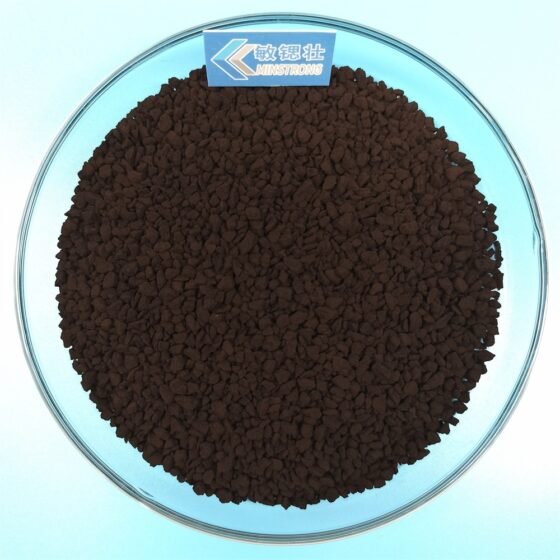
Glove box oxygen scavengers play an important role in maintaining oxygen-free or ultra-low oxygen environments filled with inert gases such as nitrogen or argon. The selection of a suitable oxygen scavenger should be based on several factors, including target oxygen concentration, oxygen removal capacity, operating conditions, service life, and safety requirements. A properly selected oxygen scavenging material can effectively reduce oxygen contamination, protect oxygen-sensitive materials, and improve the stability of scientific research and industrial processes.
In inert atmosphere systems, even trace amounts of oxygen may affect material properties, chemical reactions, and production quality. Therefore, understanding the working mechanism, application scenarios, and selection criteria of glove box oxygen scavengers is essential for achieving reliable oxygen control.
What Is a Glove Box Oxygen Scavenger?
A glove box oxygen scavenger is a functional material designed to remove residual oxygen from a sealed inert gas environment. It works by chemically reacting with oxygen molecules or promoting oxygen consumption through catalytic processes, thereby reducing oxygen concentration inside the glove box.
Unlike conventional filtration materials that mainly capture particles or moisture, oxygen scavengers focus on removing gaseous oxygen impurities. They are commonly used in systems where extremely low oxygen levels are required, especially in environments involving sensitive materials that are easily oxidized.
Working Principles of Oxygen Removal in Inert Gas Environments
Chemical Oxygen Scavenging Mechanism
Chemical oxygen scavengers remove oxygen through direct reactions between active components and oxygen molecules. During this process, oxygen is converted into stable compounds, reducing the oxygen concentration inside the protected environment.
This type of oxygen removal method usually provides efficient oxygen absorption and is suitable for applications requiring rapid reduction of oxygen levels. Lakin, the consumption capacity of the material needs to be considered because the service life depends on the amount of oxygen absorbed.
Catalytic Oxygen Removal Mechanism
Catalytic oxygen scavengers promote the reaction between oxygen and other reactive substances through catalytic active sites. The catalyst itself is not consumed during the reaction, which can provide stable long-term oxygen removal performance under suitable operating conditions.
Catalytic oxygen removal technology is often preferred in applications requiring continuous operation because it can maintain stable performance over extended periods when system conditions are properly controlled.
Main Applications of Glove Box Oxygen Scavengers
Scientific Research and Laboratory Applications
Many laboratory processes require controlled inert atmospheres because oxygen can interfere with chemical reactions, material synthesis, and experimental accuracy. Glove box oxygen scavengers help maintain stable low-oxygen environments for research involving oxygen-sensitive materials, advanced chemical synthesis, and precision experiments.
By reducing oxygen impurities, oxygen scavengers help researchers achieve more reliable experimental conditions and minimize the influence of oxygen exposure on sensitive samples.
Battery and Energy Material Manufacturing
The production and research of advanced energy materials often require strict control of oxygen and moisture levels. Oxygen contamination may cause oxidation reactions, reduce material performance, or affect product consistency.
Glove box oxygen scavengers support stable inert environments during material preparation, handling, and testing processes, helping maintain the required atmosphere quality.
Precision Manufacturing and Industrial Applications
In industrial processes involving sensitive materials, electronics, and specialty materials, maintaining a controlled atmosphere is important for improving process reliability. Oxygen scavengers are used as part of gas purification systems to continuously remove oxygen impurities and maintain stable operating conditions.
Key Factors for Selecting the Right Glove Box Oxygen Scavenger
1. Oxygen Removal Capacity and Efficiency
The oxygen removal capacity is one of the most important factors when selecting an oxygen scavenger. Users should evaluate the initial oxygen concentration, target oxygen level, gas volume, and oxygen leakage rate of the glove box system.
A suitable oxygen scavenger should provide sufficient capacity to maintain the required oxygen concentration throughout the operating cycle rather than only achieving short-term oxygen reduction.
2. Service Life and Replacement Frequency
The service life of an oxygen scavenger depends on its oxygen absorption capacity, operating environment, and frequency of use. For continuous industrial applications, materials with stable performance and longer operating cycles can reduce maintenance requirements.
When selecting an oxygen scavenger, it is necessary to consider the balance between initial performance and long-term operational cost.
3. Environmental Adaptability
Operating conditions have a significant influence on oxygen removal performance. Temperatur, rütubət, gas composition, and contamination levels may affect the activity and stability of oxygen scavenging materials.
Therefore, oxygen scavengers should be selected according to actual working conditions rather than only laboratory test results.
4. Safety and Stability
Safety is an important consideration for oxygen removal materials used in enclosed systems. A suitable oxygen scavenger should have stable storage performance, predictable reaction characteristics, and safe operation under normal working conditions.
Users should evaluate whether the material generates unwanted by-products or creates operational risks during use.
5. Physical Form and Installation Requirements
The physical structure of oxygen scavengers can influence gas contact efficiency and pressure drop within the purification system. Common forms include granular materials and structured materials.
Granular materials generally provide flexibility in filling and replacement, while structured materials may offer advantages in airflow distribution and lower resistance. The choice should match the design of the glove box purification system.
How to Choose an Oxygen Scavenger Based on Application Requirements
For laboratory research applications, priority should be given to oxygen removal efficiency, purity requirements, and stable operation. For industrial continuous production, longer service life, higher processing capacity, and easier maintenance are usually more important.
For applications requiring extremely low oxygen levels, users should focus on the oxygen scavenger’s ultimate removal capability, long-term stability, and compatibility with the entire gas purification system.
Future Development Trends of Glove Box Oxygen Removal Technology
With increasing demand for high-purity environments, oxygen scavenging technology is developing toward higher efficiency, longer service life, lower energy consumption, and improved regeneration capability.
Future oxygen removal systems are expected to integrate advanced materials with intelligent gas monitoring technologies, enabling more accurate control of oxygen levels and more efficient operation of inert atmosphere systems.
Summary
Glove box oxygen scavengers are critical components for maintaining low-oxygen inert environments. Selecting the appropriate material requires comprehensive consideration of oxygen removal performance, service life, environmental adaptability, safety, and system compatibility. By understanding these factors, users can establish a more reliable oxygen control solution for laboratory research and industrial applications.
müəllif:kaka
tarix:2026/8/4
WeChat
WeChat ilə QR kodunu skan edin